Thailand sailing: routes, winds and marina rules
Alexandra
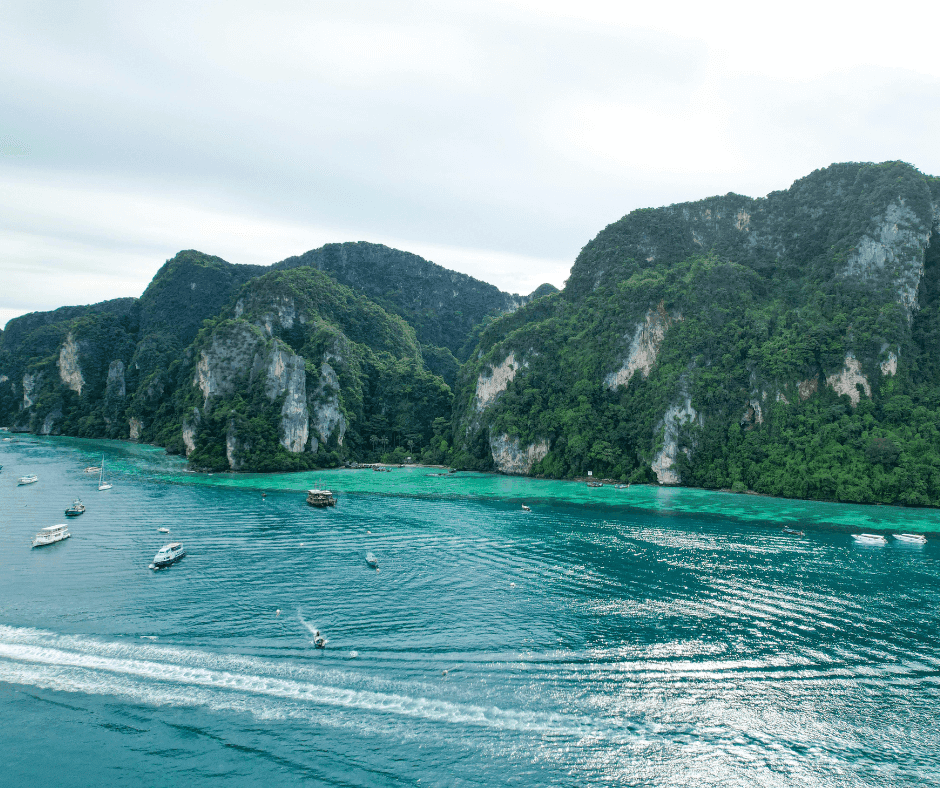
Monsoon timing, marina availability and inter-island transit distances define the practical window for safe, comfortable sailing in Thailand: the northeast monsoon (Nov–Apr) delivers 5–20 knot trade winds ideal for the Andaman Sea, while the southwest monsoon (May–Oct) increases gusts and swell, often restricting access to certain marine parks and reducing berth availability in smaller marinas.
When to sail: concrete seasonal and wind patterns
Thailand’s sailing calendar is driven by three climatic periods: a cool & dry season (November–February), a hot season (March–May), and the rainy/monsoon season (June–October). For operational planning, skippers and charter operators focus on the monsoon transition dates because they directly affect routing, fuel estimates, and tender operations.
| Region | Best months | Typical wind | Operational notes |
|---|---|---|---|
| Andaman Sea (Phuket, Krabi, Phi Phi) | Nov–Apr | NE 5–20 kt | Clear visibility, many protected anchorages; avoid May–Oct due to swell and park closures |
| Gulf of Thailand (Koh Samui, Phangan, Tao) | Dec–Jun (best Jan–Apr) | Light to moderate; generally gentler seas | Sheltered cruising, longer shoulder season; heavy rains later in monsoon possible |
Practical scheduling tips
- Plan passages between islands around daylight hours to simplify navigation and reduce the likelihood of encountering unlit fishing gear.
- Reserve marina berths in high season; large marinas fill quickly during Christmas–New Year and local holidays.
- Check park permits and mooring availability well before departure—some protected zones enforce daily visitor limits and designated buoys.
Classic routes and logistics for charters
Short hops of 10–40 nm make Thailand ideal for island-hopping charters. Below are proven itineraries suited to different groups and vessels.
📚 Vous aimerez peut-être aussi
Andaman Sea: Phuket to Phi Phi (5–7 days)
- Phuket → Phang Nga Bay: sheltered anchorages and tidal channels; consider a dinghy plan for mangrove exploration.
- Phang Nga → Krabi / Railay: favorable holding on sand; shore excursions include rock-climbing and guided cave tours.
- Krabi → Koh Phi Phi: be prepared for park fees and strict mooring regulations around Maya Bay and Phi Phi Leh.
- Phi Phi → Racha / Coral Islands: short final hops ideal for snorkel calibration and provisioning before return.
Krabi & Koh Lanta loop (5–7 days)
Short distances and numerous protected coves make this route a solid choice for relaxed cruising and flexible weather windows. Useful for families and groups who prefer minimal overnight passages.
Gulf loop: Koh Samui, Phangan & Tao (5–7 days)
Gentler seas and calm anchorages, with highlights including Ang Thong National Marine Park and world-class diving around Koh Tao.
| Itinerary | Duration | Best for |
|---|---|---|
| Phuket → Phi Phi → Racha | 5–7 days | Scenery, snorkeling, first-time charters |
| Krabi → Koh Lanta → Trang | 5–10 days | Quiet bays, longer island legs |
| Koh Samui → Ang Thong → Koh Tao | 5–7 days | Dive sites, calm sailing |
Ports, permits and operational rules
Many islands lie within national parks where management enforces specific rules: mandatory mooring buoys, restricted anchoring on coral, and entry fees payable at park offices. Customs and immigration procedures apply if you plan cross-border trips (e.g., to Myanmar islands), so verify paperwork and fuel logistics with your charter base.
Licence and paperwork essentials
- For bareboat charters an internationally recognised licence (ICC or equivalent) and a sailing CV are typically required; otherwise hire a local skipper.
- Confirm who pays park fees and how—some charters include them, others collect on arrival.
- Check fuel ranges, generator limits and provisioning options at your start marina to avoid mid-trip resupply issues.
Safety, provisioning and boat choice
Decide between a catamaran for stability and deck space, or a monohull for a sportier sailing feel. Catamarans are preferred for shallow bays and beaching, while monohulls often have better upwind performance and cost less on similar lengths.
Daily safety routine
- Check the marine forecast every morning and brief guests on expected conditions.
- Drop anchor well before dusk to check holding and local hazards.
- Inspect lifejackets, VHF, flares, emergency contacts and the location of medical kits during handover.
Packing essentials
- Soft luggage, reef-safe sunscreen, hat and sunglasses.
- Reef shoes, thin long-sleeve sun protection, dry bag for electronics.
- Personal snorkel gear if you prefer bespoke fit and optics.
Weather changes can be rapid in the tropics; good planning, local briefings and conservative routing choices keep the charter enjoyable and safe.
Short forecast: this seasonal and regulatory picture is not a major global tourism disruptor, but it is locally significant—monsoon shifts and park management decisions directly influence itineraries, marina demand and the availability of anchorages. GetBoat aims to stay abreast of these developments and help clients adapt their plans to the changing conditions.
Highlights: sailing Thailand offers a combination of short island hops, dramatic limestone scenery, and a range of charter options from modest sailboats to luxury superyacht experiences; however, experiencing a new location is always a multifaceted process, where one learns about the culture, nature, the indescribable palette of local colors its rhythm of life and also the unique aspects of the service. If you are planning your next trip to the sea, you should definitely consider renting a boat (boat rentals, rent a boat, rent a yacht), as each inlet, bay, and lagoon is unique and tells you about the region just as much as the local cuisine, architecture, and language GetBoat.com
GetBoat always keeps an eye on news related to sailing and seaside vacations, as we truly understand what it means to enjoy great leisure and love the ocean. The GetBoat service values freedom, energy, and the ability to choose your own course; it places no limits on a good life, allowing clients to find a vessel that suits their preferences, budget, and taste while viewing make, model and ratings in advance for transparency.
Summary: plan around the northeast monsoon for the Andaman Sea and the calmer windows in the Gulf of Thailand; select a catamaran for shallow bays or a monohull for classic sailing; always confirm park fees, mooring rules and licence requirements before departure. With careful route choice you can enjoy beaches like Phra Nang, the clearwater around Racha and world-class diving at Koh Tao. Whether you’re looking to rent a yacht, book a charter, or buy a boat, online platforms make it easier to compare marinas, captains and activities—so set your course and sail with confidence. Start your next seaside adventure today.