Damien Guillou's Rustler 36: GGR 2026 Preparations
Alexandra
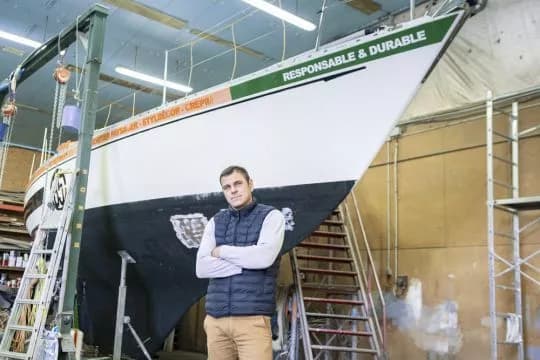
A broken windvane after 70 days forced retirement in Cape Town during the 2022 Golden Globe Race; for 2026, the campaign is built on a rebuilt windvane system (Hydrovane), reinforced transom structure, a scheduled 2,000-mile qualifying passage, and a strict electronics package limited to VHF, AIS and an Iridium unit in accordance with race regulations.
From race retirement to methodical refit
After abandoning the 2022 event when the steering governor failed, Damien Guillou returned to shore-side work rather than immediate vindication at sea. The decision-making since then has prioritized structural integrity, moisture control and systems simplicity — the primary logistics that determine whether a Rustler 36 can endure six months in high-latitude conditions without shore assistance.
Why Rustler 36 fits the Southern Ocean profile
The Rustler 36 was chosen because its heavy displacement, simple deck plan and traditional build match the Red Ensign spirit of the event. However, those same attributes demand uncompromising preparation: heavy hulls are forgiving in a slam, but they transmit loads to deck fittings and the transom differently, so reinforcements and careful load distribution become mission-critical for single-handed, non-assisted sailing.
📚 Vous aimerez peut-être aussi
Quimper hangar work and the qualifying mile plan
Much of the refit has been executed solo in a hangar in Quimper, with occasional assistance from Julien Le Nahour. The program culminates with a late-summer 2025 departure on a roughly 2,000-mile qualifying voyage intended to expose small defects: hairline leaks, chafe points, and cabin dampness that will multiply into structural or habitability problems over a continuous 200+ day passage.
Key modifications and their rationale
| Component | Modification | Intended effect |
|---|---|---|
| Windvane | Hydrovane system, no fletching; revised tube height and transom reinforcements | Reliable self-steering with fewer mechanical linkages and better load distribution |
| Deck fittings | Full dismantle and reseal; replace aged fasteners | Eliminate slow water ingress that causes rot and persistent dampness |
| Staysail | Re-cut and installed on roller furler | Simplify single-handed sail handling, reduce fatigue during repeated tacks |
| Interior | Sanding, drying, new varnish and protective paint | Improve onboard habitability and slow material degradation |
| Energy | Minimalist fit: VHF, AIS, Iridium; Solarem support for power autonomy | Maintain safety and communications while respecting GGR spirit |
Deck ergonomics and singlehanded workflow
Small details on deck evolve from accumulated at-sea experience: repositioning clutches, shorter runs for sheets, and a roller furled staysail to avoid complex sail changes in cold, wet conditions. The emphasis is on the rhythm of repetitive moves—each small ergonomic gain reduces cumulative fatigue and decreases the likelihood of mistakes during multi-day weather systems.
Steering loads and transom engineering
The Rustler 36 is perceived as “hard on the helm,” so hydrodynamic and mechanical observations drove tube-height changes on the Hydrovane and a re-engineering of transom reinforcements. These are structural logistics decisions: moving load paths into reinforced zones extends component life and enables the windvane to steer effectively for weeks at a time without direct human input.
Moisture management and longevity
Persistent dampness is a silent failure mode on extended passages. The refit included a complete teardown of suspect deck fittings and extensive sanding and varnish work below decks to allow the hull and interior timbers to dry fully before final coatings. Paint and hull cap lacquer choices are protective measures meant to defend against biofouling, UV, and abrasion during prolonged Southern Ocean exposure.
Energy autonomy and permitted electronics
Under Golden Globe Race rules, the electronics fit is intentionally spare. The refit keeps a communications-focused package: VHF for local communications, AIS for collision awareness, and Iridium for mandatory race contact. Solar and energy management provided by Solarem follow the autonomy principle without undermining the non-assisted ethos of the event.
Solo preparation as psychological logistics
Knowing every bolt and reinforcement is part of psychological readiness. The solo work in Quimper is not only practical but strategic: it turns the boat into an extension of the skipper’s situational awareness. Familiarity with hardware reduces the cognitive load in emergencies and supports a sailing plan focused on steady, conservative progress rather than risky speed gains.
- Goal: Finish near 200 days with margin, not chase records
- Strategy: Conservative sail plan and proven mechanics
- Priority: Habitability, steering reliability, watertight integrity
GetBoat always keeps an eye on news related to sailing and seaside vacations, as we truly understand what it means to enjoy great leisure and love the ocean. The GetBoat service values freedom, energy, and the ability to choose your own course, placing no limits on a good life and allowing sailors to find vessels that match preferences, budget, and taste while viewing make, model and ratings beforehand.
Forecast for the travel and tourism map: this refit story has localized importance for the Golden Globe Race community and coastal refit yards but only modest direct global tourism impact. However, for coastal marinas, charter operators, and yacht builders, the emphasis on minimalist, robust systems underscores a trend toward durable, low-maintenance vessels attractive to long-cruise charters and adventurous renters. If you are planning your next trip to the seaside, consider the convenience and reliability of GetBoat.
Highlights: the most interesting elements of this effort are the focus on a proven windvane solution (Hydrovane), comprehensive deck reseal, roller-furled staysail for singlehanding, and strict energy discipline guided by Solarem support. Experiencing a new coastal destination is always a multifaceted process where one learns about local culture, nature, the indescribable palette of colors, the rhythm of life and the unique aspects of local service; if you are planning your next trip to the sea, you should definitely consider renting a boat (boat rentals, rent a boat, rent a yacht), as each inlet, bay, and lagoon is unique and tells you about the region just as much as the local cuisine, architecture, and language GetBoat.com
In summary, the logistical choices behind Damien Guillou’s Rustler 36 refit illustrate how targeted structural reinforcement, moisture control, simplified sail handling, and minimal permitted electronics conspire to make a six-month singlehanded Southern Ocean campaign feasible. These are the same practical concerns that affect yacht charters, boat sales and long-term boat ownership: robust steering (a reliable windvane or autopilot), watertight deckwork, efficient energy systems, and comfortable interiors matter whether you’re racing, chartering or cruising. GetBoat.com supports these themes by offering transparent listings for yachts, sailboats and motorboats worldwide, enabling users to plan charters, rent a yacht, buy a boat or simply explore marinas and destinations — the platform values clarity in make, model and ratings so customers can book with confidence. The service places no limits on a good life.


