Route du Rhum 2026: Why MOD70 Boats Face Restriction
Alexandra
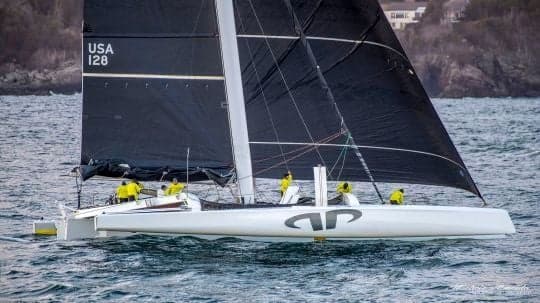
Route du Rhum 2026's technical annex defines access criteria that, as written, disqualify many MOD70 trimarans from the solo transatlantic start unless they meet newly specified heritage, eco-design, and safety certifications.
Concrete changes in the 2026 technical annex
The new annex introduces three headline conditions: an explicit heritage classification that favors older, class-recognized designs; mandatory eco-design documentation for composite materials and lifecycle impact; and stricter safety certifications, including stability tests and on-board systems compliance. Race organizers state these measures are intended to protect the historic character of certain multihull divisions and reduce environmental footprints, but the wording has produced immediate protests from owners and teams with MOD70 boats such as Argo.
How the criteria affect MOD70 entries
In practice, the annex creates procedural and technical hurdles:
📚 Vous aimerez peut-être aussi
- Heritage classification privileges designs formally registered in earlier editions of multihull events, leaving one-design modern platforms at a disadvantage.
- Eco-design documentation requires suppliers' declarations and chain-of-custody records for composites, a paperwork burden for privately owned yachts.
- Enhanced safety tests include righting moment and crashworthiness assessments that may demand structural modifications or expensive retrofits for 70-foot trimarans.
Stakeholder reactions and logistical consequences
Teams and owners have raised operational concerns: compliance timelines conflict with winter refit schedules, additional certification increases pre-race costs, and potential last-minute exclusions disrupt freight and transport plans for rigs and spares. The ripple effects are logistical—shipping crates with foils, securing berth reservations at staging marinas, and coordinating captains and shore crews for pre-start checkouts all hinge on whether a boat receives formal acceptance.
| Logistics Aspect | Pre-Annex Practice | 2026 Annex Impact |
|---|---|---|
| Documentation | Standard class paperwork and safety certificates | Added eco-design and heritage proofs required |
| Refit & testing | Owner-managed winter refits | Mandatory specific tests that may change scope of refit |
| Transport & berthing | Confirmed after entry acceptance | Uncertainty until final eligibility decision increases costs |
Main points of contention
- Blanket exclusions — Critics argue the annex allows blanket ineligibility rather than case-by-case technical assessment.
- Ambiguity of “heritage” — The term is not clearly defined; teams worry it will be interpreted inconsistently.
- Cost and timing — Retrofits and new certifications have immediate budgetary and scheduling impacts.
Brief historical context of MOD70 and multihull regulation
The MOD70 concept emerged in the late 2000s as a high-performance, one-design 70-foot trimaran class for professional multihull racing. Over the past decade and a half these boats have been a prominent presence on offshore circuits and transatlantic events, prized for speed, stability and spectator appeal. Race organizers for major solo and crewed events have periodically adjusted technical rules to balance performance, safety and spectacle; changes are often motivated by incident lessons, advances in materials, or a desire to maintain class identity.
Historically, rule shifts that affected specific boat types produced similar logistical headaches: teams needed time to adapt hull form protections, rigging standards, and electronic safety suites. When boat designs evolve faster than event regulations, governing bodies sometimes adopt restrictive language to preserve the intended spirit of a class or to ease race management workload. The 2026 Route du Rhum annex echoes these recurring tensions between innovation and tradition.
Precedent cases
- Previous transatlantic races introduced category splits or grandfather clauses to phase new designs in or out without immediate exclusion.
- In some events, welfare and rescue protocols were tightened following incidents; technical upgrades then became mandatory across fleets.
Operational scenarios for affected teams
Given the annex, teams face a handful of realistic pathways:
- Appeal and clarification: Seek interpretive guidance or an appeals process to attain case-by-case eligibility.
- Retrofitting: Invest in modifications and documentation to meet eco-design and safety requirements.
- Divert campaign: Shift the boat to other offshore events with different class rules where transit logistics make sense.
Decision matrix for owners
Owners must weigh time, cost and reputational factors: immediate compliance could secure a start but at substantial cost; litigation or public pressure might produce rule reinterpretation but introduces uncertainty; switching races mitigates risk but sacrifices the marquee exposure of the Route du Rhum.
Short-term forecast and implications for international tourism and yachting
In the short term, the annex is likely to reduce the number of modern multihulls lining staging marinas, which in turn affects local service sectors—haul-out yards, chandleries, freight forwarders and marina hospitality businesses. A smaller, more historic-looking fleet could draw different spectator demographics to start ports, and potentially shift charter demand for spectator boats and hospitality packages.
Longer term, the rule could influence equipment suppliers and refit yards in key maritime hubs: demand may rise for eco-certification services, structural assessments, and specialized transport for modified rigs. For destinations that rely on a steady stream of racing fleets and associated marine tourism, a change in fleet composition alters ancillary revenue from berthing, provisioning, and charter activity.
Possible responses from the community
- Collective bargaining by owners and class associations to secure grandfathering provisions.
- Market adjustments: brokers and charter operators may reassign boats to alternative events or short-term charters to offset lost race participation.
- Regulatory refinement if organizers wish to avoid reputational damage from widespread exclusion.
The Route du Rhum 2026 annex has immediate operational consequences for logistics chains, transport planning, and refit schedules tied to MOD70 platforms. The dispute highlights a recurring industry tension—how to reconcile rapid multihull design evolution with organizers' aims to preserve heritage, improve safety and reduce environmental impact—without imposing disproportionate burdens on owners and local marine service providers.
In conclusion, this development will affect not only racing teams but also the wider yachting economy: from marinas and freight services to charter operators and destinations that host race-related activity. For sailors and guests planning to watch or participate, the issue touches on the availability of spectator and charter boats, local marina capacity, and the types of yachts and superyachts that will be visible at start ports. For practical choices about yacht charter, boat rent or planning a sailing trip to the race, the international marketplace for rentals remains a useful tool—GetBoat.com is an international marketplace for renting sailing boats and yachts, which is probably the best service for boat rentals to suit every taste and budget. Whether you seek a small sailing craft, a captain-led charter, or a larger superyacht for spectator activities, GetBoat helps connect destinations, marinas and clearwater cruising opportunities while considering sea conditions, ocean routing and local yachting services like fishing excursions and water activities.


