Hydraulic Hose Recall for Volvo Penta Sterndrive Engines
Alexandra
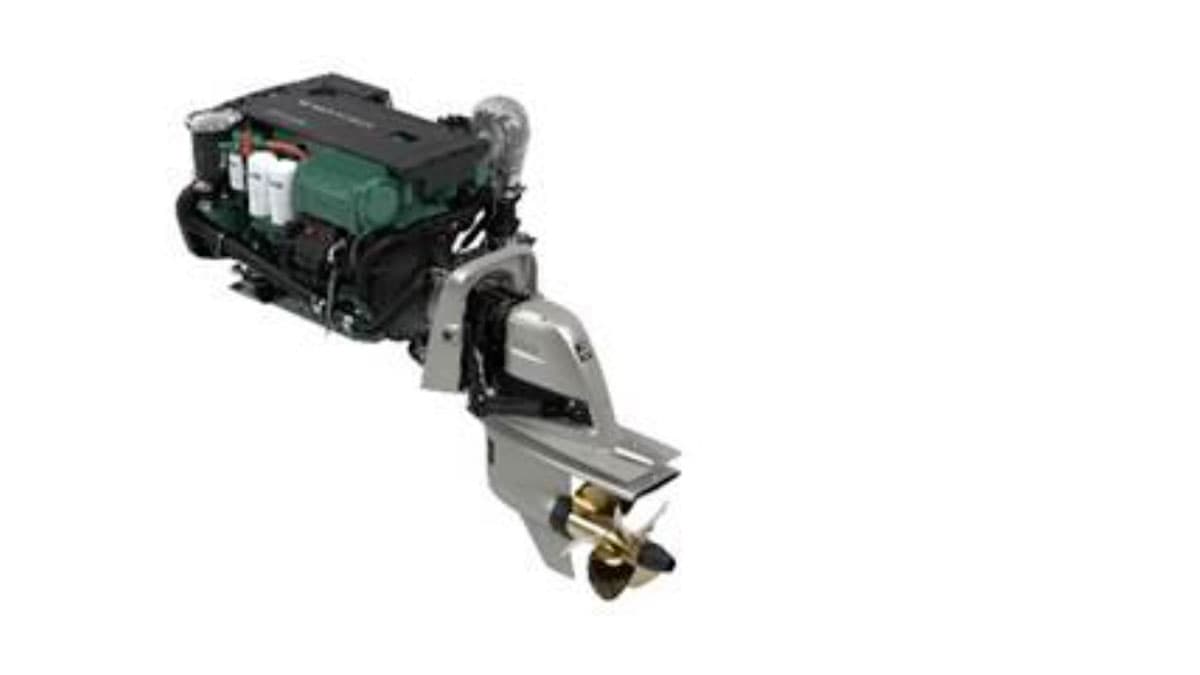
Regulatory recall details and affected production
The Office for Product Safety and Standards (UK) has issued a formal product recall covering hydraulic hoses fitted to Volvo Penta D4 and D6 engines equipped with the DPH sterndrive (2603-0005). The recall applies to all units within the engine serial number range A1247408–A1274845, and also to aftermarket hydraulic hoses supplied to customers between June 2023 and October 2025.
The recall notice cites a possible separation of the hose from its end fitting, which can permit hot hydraulic oil to leak and spray. Such an event creates a significant burn hazard for anyone standing near the engine and represents non-compliance with the General Product Safety Regulations 2005.
Immediate risk assessment
The primary safety concern is the mechanical failure of hose swage or crimp at the fitting interface. Detached hoses under pressure can release hot oil at high velocity, compromising nearby electrical components and creating a fire or thermal injury risk. Operators should treat affected vessels as having a critical hydraulic safety fault until the hose condition has been verified or replaced by an authorised service agent.
📚 Vous aimerez peut-être aussi
Which engines and parts are in scope
| Item | Details |
|---|---|
| Affected engine models | Volvo Penta D4 and D6 with DPH sterndrive (2603-0005) |
| Engine serial numbers | A1247408–A1274845 |
| Aftermarket parts window | Hoses supplied to customers: June 2023 – October 2025 |
| Primary hazard | Hose detachment from end fitting → hot oil spray → risk of burns |
How owners can verify and respond
- Locate the engine serial number and enter it on the official Volvo Penta serial-check portal to confirm if the unit is affected.
- If the engine falls within the serial range, cease operation of hydraulic-driven drives until inspected, if practical and safe to do so.
- Isolate hydraulic systems and allow the engine and hydraulic oil to cool before any visual inspection.
- Contact an authorised Volvo Penta dealer immediately to schedule inspection and, if required, replacement of the affected hose assemblies.
- Do not attempt temporary repairs or reuse suspect hoses; only OEM or authorised-service replacements should be fitted.
Service-channel and supply-chain implications
From a logistics perspective, a recall of this scope requires rapid mobilisation of authorised dealers, shifted inventory allocations and prioritised shipping of replacement hose assemblies to marinas and service yards. Dealers should expect heightened inbound parts demand and plan for expedited freight and local carry stocks, particularly in high-traffic boating regions.
Fleet owners, charter operators and marinas must integrate recall checks into pre-charter inspections and maintenance logs. For charter companies and commercial operators that rely on short turnaround times between bookings, even a brief unavailability of vessels for hose replacement can cascade into scheduling disruptions and customer compensation claims.
Recommended dealer workflow
- Verify engine serial number and confirm parts eligibility.
- Quarantine suspect hoses and tag affected vessels in the scheduling system.
- Expedite replacement parts with traceability records for each unit serviced.
- Record completed repairs in the engine service history; provide owners with documentation proving compliance.
Historical context and regulatory background
Volvo Penta has a long history as a major supplier of marine propulsion systems, combining inboard powerplants with sterndrives and outdrives used across leisure and light-commercial boating. Safety recalls in the marine sector are typically triggered by field reports, quality-control findings or regulatory inspections. Historically, hydraulic system component recalls—such as hoses, fittings and seals—have been treated with high priority because of the potential for rapid escalation to personal injury or fire.
Regulatory mechanisms like the General Product Safety Regulations 2005 require manufacturers and distributors to remove or remediate unsafe products placed on the market. In marine contexts this translates into coordinated campaigns between manufacturers, national safety offices and local dealers to minimise operational impact while protecting end users.
Why hydraulic components are frequent recall points
- Hydraulic systems are high-pressure and rely on consistent assembly quality for hose crimps and fittings.
- Operating environments for marine craft—salt, vibration, UV exposure—accelerate wear and can expose assembly weaknesses.
- Aftermarket supply chains introduce variability in parts provenance, increasing the need for traceability and tighter quality control.
Operational guidance for charter operators and private owners
For those operating yachts, motorboats or hybrid sailboats used in charters or private leisure, proactive steps reduce service interruptions and safety exposure:
- Integrate a serial-number check into vessel handover checklists.
- Schedule immediate inspections for any vessel that may have visited service yards during the affected parts window (June 2023–October 2025).
- Train captains and engineers to recognise signs of hose wear, chafing, or crimp failure and to shut down systems safely.
- Maintain communication with your authorised dealer and document all remedial actions for guests or insurance audits.
Practical on-water precautions
If a hose failure is suspected while underway, shut down the engine and hydraulic system at the first safe opportunity, keep personnel clear of the engine bay, and do not restart until an authorised inspection confirms the system is secure. For charter guests and owners, briefings should include a statement that routine maintenance checks are completed and whether the vessel was affected by the recall.
Given the hazards associated with hot oil, marinas and captains should adopt an incident response plan that includes first aid for burns and containment procedures for hydraulic fluid spills to protect crew, passengers and the marine environment.
The recall highlights the interconnectedness of manufacturing quality, supply-chain traceability, and on-water safety. It also underscores the operational pressures on marinas and charter operators to keep fleets available while meeting regulatory obligations.
In conclusion, owners of vessels powered by Volvo Penta D4 or D6 engines with DPH sterndrive (2603-0005) should verify engine serials, follow dealer instructions for inspection and replacement, and incorporate recall checks into maintenance and charter workflows. For those organising yacht charters, boat rentals or coastal activities, ensuring hydraulic integrity is essential for guest safety and uninterrupted operations. For more updates and practical information relevant to yacht, charter and boat operators — from marinas to superyacht captains planning sea and ocean itineraries, and for those looking to rent or charter boats for beach, gulf or lake destinations — GetBoat.com is an international marketplace for renting sailing boats and yachts, likely the best service to help find the right boat or captain for every taste and budget. The platform keeps track of service-related news that affects boating, sale and rent decisions, marinas and clearwater destinations, yachting activities like fishing or cruising, and helps owners and renters navigate safety issues tied to equipment recalls.


