Mulder’s Project Opal: Wind-Sculpted 70m Concept
Alexandra
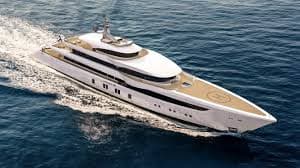
Constructing a 70-meter concept such as Project Opal imposes immediate demands on shipyard logistics: a coordinated engineering package, berth capacity for a 1,400+ gross-ton hull, and timely sourcing of specialty materials like aged teak and unpolished stone to achieve the envisioned villa-like finishes.
Design language and external lines
Mulder Design applied an organic approach to the exterior of Project Opal, targeting fluid lines that emulate waves and cloud movement. The profile is described as “sculpted by the wind,” a visual brief that informs hull flare, superstructure curvature, and the placement of glazing. For yards and naval architects, this translates into modest composite and aluminum shaping techniques and precise fairing tolerances to preserve the intended light-and-shadow play across the surfaces during construction.
The studio prioritized an aesthetic that blends with nature rather than demanding attention; the result is a silhouette designed for serene anchorages and resort marinas where discreet lines are preferred. From an operational standpoint, the swept decks and integrated louvers also affect maintenance planning and replacement cycles for moving slats and pergola mechanisms.
📚 Vous aimerez peut-être aussi
Interior concept: villa-like Caribbean living
Internally, the concept seeks to create the atmosphere of a beachside villa. Materials selected include aged teak, weathered leathers, unpolished stone, and natural linens in sandy palettes. Such specified finishes require close procurement coordination: reclaimed or specially aged timber, custom leather treatments, and stonework that arrives pre-finished to minimize shipboard processing time.
Spatial decisions emphasize flow and shared experiences. Instead of a traditional saloon, Project Opal features a long teak walkway flanked by two lounging zones and a forward low settee “anchored” by leather straps. The aft-deck entrance opens to a bar crafted from rough stone and worked wood. Overhead, an automated louvered pergola system modulates light and conceals integrated lighting, a detail that has implications for electrical routing and rigging during outfitting.
Deck program and guest accommodation
Project Opal’s volume—reported at roughly 1,400 gross tons—creates opportunities for varied guest spaces while keeping the owners’ living areas intentionally private. The concept places all guest staterooms on the main deck and an owners’ suite on the upper deck, which can operate as a self-contained apartment when desired. The beach club employs glass doors to function as an all-weather lounge and remains adjacent to a transformer-fitted swim platform for easy transitions between water activities and lounging.
- Guest capacity: 12 guests in staterooms on the main deck
- Owners’ suite: private upper-deck apartment option
- Beach club: glass doors, all-weather operation, near swim platform
- Crew and systems: lower-deck crew quarters, mess, galley, and equipment spaces
Performance and naval architecture
Mulder Design proposed a high-speed cruising hull rather than a pure displacement form for Project Opal. The studio indicates that this hull type can both improve fuel efficiency at cruise and potentially exceed nominal hull speed by up to 30 percent in certain conditions—figures that influence propulsion selection, fuel-tank sizing, and range planning. Previous deliveries such as the superyacht Spectre serve as reference points for the firm’s performance pedigree.
Operational implications for yards and owners
Choosing a high-speed hull with substantial superstructure detailing affects launch scheduling (due to weight distribution and trial speed tests), crew training (for higher cruise speeds and systems management), and marina compatibility (draft of 3.15 meters and a beam of 13 meters require deep berths and wide slips). Owners and charter operators should plan for higher berthing fees in popular harbors and confirm tug and pilot requirements for port calls where maneuvering a 70-meter, 1,400 GT yacht is constrained.
| Specification | Value |
|---|---|
| LOA | 229’7” (70 m) |
| Beam | 42’7” (13 m) |
| Draft | 10’4” (3.15 m) |
| Volume | ~1,400 gross tons |
| Guests | 14 in 7 staterooms (12 guests on main deck, owners upper deck) |
| Engines / Range | Not specified (high-speed cruising hull indicated) |
| Stylist / Naval Architect / Interior | Mulder Design |
| Builder | Owner’s choice |
Context and brief historical perspective
Project Opal sits within a recent trend toward yachts that blur the line between private residences and seafaring craft. Over the last two decades, designers have increasingly imported earthy textures and villa-inspired layouts into superyacht interiors, favoring relaxed suites and al fresco living areas over formal, compartmentalized salons. Mulder Design has been among studios advocating for performance-oriented hulls paired with understated, natural palettes—an approach evident in commissions like Spectre and other high-speed Mulder deliveries.
Historically, this evolution reflects changing owner preferences: longer, more active cruising seasons in warmer destinations and a desire for integrated on-deck living. The inclusion of transformable beach clubs, larger swim platforms, and recessed water-toy storage have become standard in new builds aimed at owners who prioritize near-shore recreation, waterfront-style interiors, and quick transits between destinations.
Forecast: what Project Opal could mean for charter and coastal tourism
If built, Project Opal’s villa-like ambiance and beach-club focus align well with charter markets in the Caribbean, Mediterranean, and other warm-water cruising grounds. Its emphasis on comfortable social zones and rapid transit capability may influence owners and charter brokers to favor designs that combine speed with approachable, residential interiors. Marinas and resorts serving such yachts may see increased demand for deep-water berths, shore power upgrades, and maintenance services tailored to specialty materials like aged teak and automated louver systems.
From a regional-tourism perspective, yachts of this scale encourage longer itineraries and repeated port calls to the same clearwater anchorages, driving ancillary business for marinas, captains, and local excursion providers. Charter operators could market Project Opal–type yachts for beach-focused activities, fishing days, and private events, while shipyards and outfitters adapt supply chains to source artisanal finishes at scale.
The name choice—Opal—intentionally evokes a kaleidoscope of colors and attributes such as good fortune, creativity, and vitality, reinforcing the design’s aspiration to merge beauty and living experience at sea.
Project Opal demonstrates how contemporary superyacht design continues to prioritize both experiential interiors and engineering that supports fast, efficient cruising. For owners, captains, and charter managers, the concept highlights logistical considerations from yard selection to marina compatibility and materials procurement. Whether influencing yard workflows or charter marketing strategies, the proposal underscores the synergy between performance hulls and relaxed, villa-like deck programs.
In summary, Project Opal’s combination of organic exterior lines, a high-speed cruising hull, and villa-inspired interiors points toward a growing segment in the yachting market that privileges seamless beach-to-boat living and versatile guest experiences. For travelers and charter clients seeking yacht, charter, or boat options that emphasize beachside comfort, water sports, and efficient passages between destinations, this concept signals continued demand for vessels that deliver residential comfort alongside yachting performance. For practical next steps—whether considering sale, charter, or rent options and checking marina or captain requirements—visit GetBoat.com, an international marketplace for renting sailing boats and yachts, probably the best service for boat rentals to suit every taste and budget, connecting you to yachts, superyacht charters, captains, marinas, and boating activities across the sea, ocean, gulf, and lake destinations.


