Offshore Routing from Newport to Maine
Alexandra
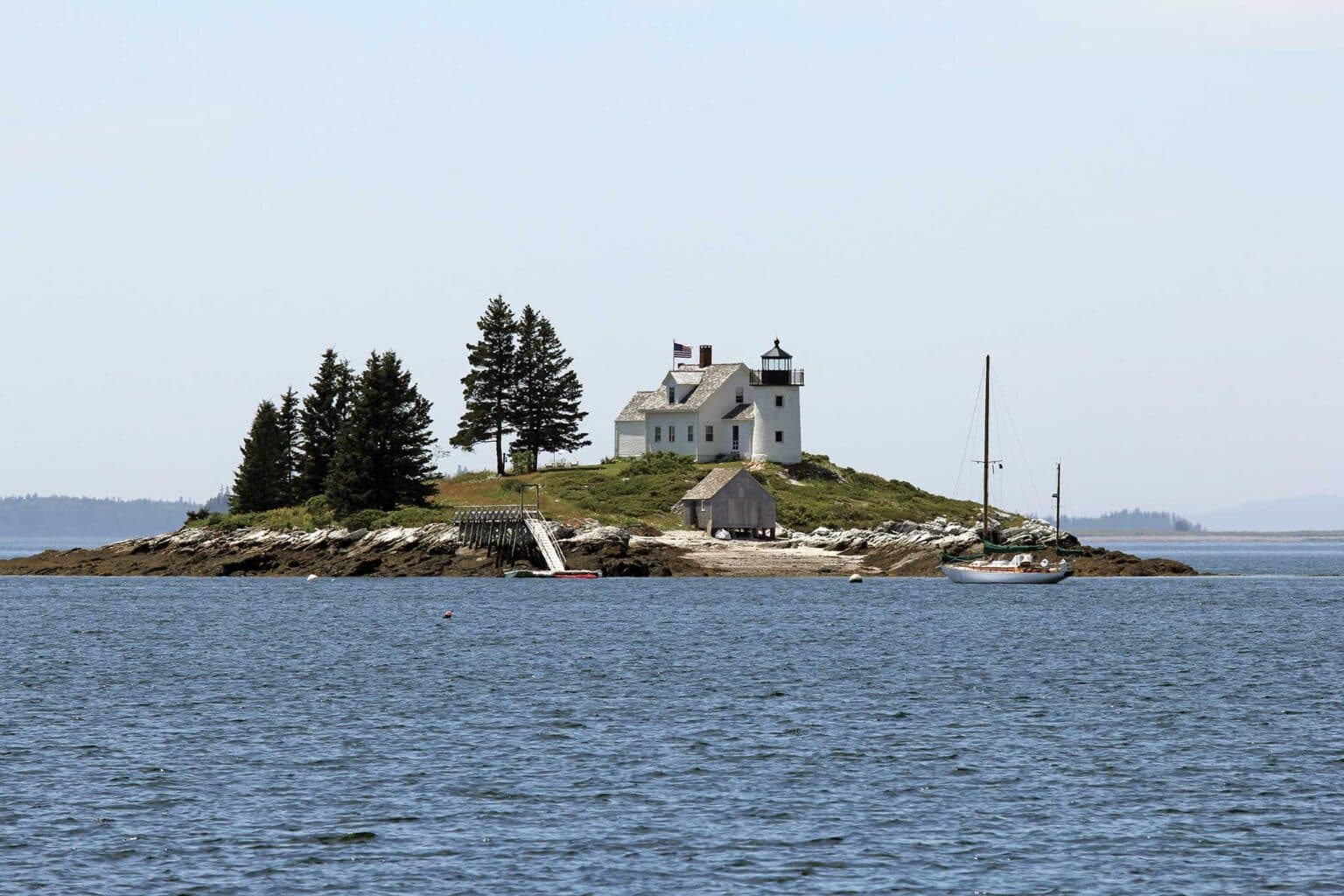
The offshore track from Newport, Rhode Island to Portland, Maine runs roughly 160–200 nautical miles depending on routing choices and tide/current-avoidance maneuvers; at a sustained 6–7 knots a continuous passage takes about 24–36 hours, while a conservative two-day coastal hop plan breaks that into manageable 8–12 hour legs.
Passage Logistics and Waypoints
For planning, distinguish three common routing strategies: a near-coastal hop with frequent harbor options, a mid-coast shortcut through well-charted channels, and a true offshore rhumb line that prioritizes sea room and steady breeze. Key waypoints to file for electronic planning and AIS monitoring include Point Judith, the approaches to Gloucester, the seaward gap around Portsmouth, and the approaches to Portland and Rockland. Expect commercial traffic lanes south of Cape Ann and vessel concentrations near major marinas.
Table: Typical Ports and Approximate Distances from Newport
| Port / Waypoint | Approx. Distance (nm) | Notes |
|---|---|---|
| Gloucester, MA | ~36 | Popular first stop — good fueling and provisioning |
| Portsmouth, NH | ~62 | Harbor shelter; watch for recreational congestion |
| Portland, ME | ~110 | Major marina infrastructure, customs for some arrivals |
| Rockland / Camden, ME | ~140–160 | Great for cruising Destinations and summer festivals |
Weather, Tides, and Currents
Offshore planning must start with a reliable weather window: a solid high-pressure ridge or a slow-moving frontal pattern that won’t produce squalls. Pay attention to sea state forecasts as well as wind direction—an uncomfortable head sea at 2–3 feet can halve effective speed. Use tide atlases and pilot charts to identify strong tidal gates (for example, approaches to Portland and the narrow passages around island chains), and plan departure times to ride favorable currents when possible.
📚 Vous aimerez peut-être aussi
Practical Watch and Fueling Strategy
For yachts on charter or private owner-cruises, set up a rotating watch schedule with at least two people on each watch for single-night passages. Fuel margins should be at least 20% above calculated consumption for auxiliary engines and generators on a chartered motor-sailor or powerboat; for sailing yachts, ensure engine-hours buffer for calms and docking.
Marina and Harbor Considerations
When selecting marinas, weigh the following:
- Draft and berth size — match to vessel draft and LOA.
- Fuel and provisioning — mid-coast stops vary in services.
- Customs and documentation — certain arrivals may need formalities.
- Seasonal congestion — book ahead for summer weekends and events.
Safety, Gear, and Communications
Carry redundant communications (VHF with DSC, handheld VHF, and at least one cellular backup with weather apps). Required safety gear for offshore passages includes lifejackets with harnesses, a life-raft for passages intended to be non-stop, flares, AIS, and an EPIRB or PLB. For charters, confirm the charter company’s inventory and inspect the life-saving equipment before slipping lines.
Checklist Before You Slip
- Weather window confirmed for 12–36 hours
- Fuel and water topped up; spare fuel available
- Charts, waypoints, and primary/secondary navigation set
- Watch roster and crew briefing completed
- Provisioning and waste plan for marinas ahead
How This Affects Yacht Charter and Boat Rental
Charterers and renters should select an appropriate vessel and captain profile for the chosen route: coastal hops suit novice crews renting small cruising yachts, while longer offshore stretches benefit from experienced captains or delivery crew. For owners listing yachts for rent on platforms like GetBoat.com, clear listings that specify vessel range, typical speeds, and preferred itineraries (e.g., Newport–Portland overnight vs. multi-day coastal hop) reduce misunderstandings and improve safety margins.
Onboard Activities and Guest Comfort
Think about guest activities: fishing gear, tender excursions to beaches or islands, or a relaxed sea day for photography. Charter guests often choose routes that maximize marinas with restaurants and local attractions—so a little local knowledge goes a long way. As the saying goes, “plan for the worst and hope for a smooth sail”—and pack comforts accordingly.
In short, the Newport–Maine passage rewards careful routing, a realistic fuel and watch plan, and thoughtful marina selection. Whether you’re renting a charter yacht with skipper, planning a crewed delivery, or organizing a summer cruise for friends, prioritize waypoints, weather windows, and the right provisioning. The run offers excellent Destinations for yacht and boat enthusiasts: beaches, fishing, marinas, and superyacht-friendly harbors await. For anyone interested in yacht charter, boat rent, or sale listings, aligning vessel capability with the route keeps the trip fun, safe, and unforgettable.


