Clubs may open bars to the general public
Alexandra
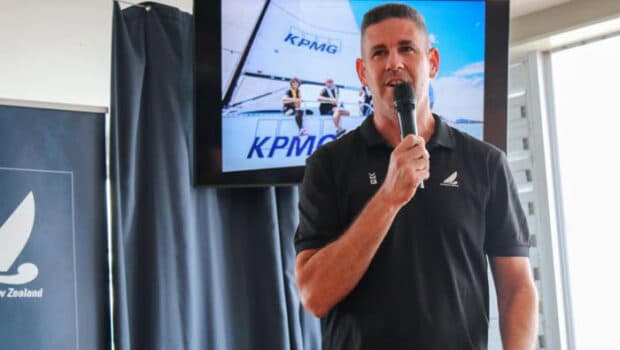
The proposed amendment to the New Zealand Sale and Supply of Alcohol Act would permit community and sporting clubs to apply for an on-license, allowing service of alcohol to the general public rather than restricting service to members and invited guests only.
Key regulatory change and immediate implications
The change removes the statutory limitation that has historically forced clubs to operate under a club license model. Under the new framework, a club may choose to retain its existing club license or seek an on-license similar to that held by restaurants and bars. Practically, this permits clubs — including yacht clubs, watersports associations, and coastal community organisations — to host paid events, open bar service to visitors, and integrate hospitality offerings with marina and charter operations.
Who benefits and who may stay with the current model
Clubs that rely heavily on membership revenue and tightly controlled social events may continue under a club license. For clubs seeking new revenue streams — event hosting, visitor hospitality, sponsorship activation, or partnership with charter operators — the on-license introduces operational flexibility. For maritime clubs, this flexibility can be leveraged for regatta hospitality, charter customer welcome areas, and shore-side food-and-beverage services that complement boat rentals and yacht charters.
📚 Vous aimerez peut-être aussi
Practical operational shifts for marine clubs
- Opening hours and footfall: On-licenses allow non-member patrons, increasing daily foot traffic around marinas and clubrooms.
- Events and hospitality: Easier ticketed events, hospitality for visiting skippers and charter clients, and post-race functions.
- Revenue diversification: Food-and-beverage sales to transient visitors can offset slipway, mooring and maintenance costs.
- Compliance demands: On-licenses will bring different obligations around staff training, responsible service, and perhaps higher licensing fees.
Comparing license types
| Feature | Club License | On-License |
|---|---|---|
| Permitted patrons | Members and invited guests | General public, patrons, and members |
| Typical use cases | Member socials, private functions | Restaurant-style service, public events, tourism hospitality |
| Event hosting | Limited to member-focused events | Ticketed events and open public functions |
| Compliance complexity | Lower operational compliance | Higher: staff RSA training, record keeping |
| License fees | Typically lower | Typically higher (varies by district) |
Compliance and governance considerations
Moving from a club license to an on-license will require clubs to revisit governance documents, constitutional clauses, and insurance coverage. Staff and volunteers involved in alcohol service must comply with responsible service of alcohol (RSA) training requirements and clubs should expect closer scrutiny on incident reporting and record-keeping. Local council licensing authorities commonly require detailed floor plans, patron capacity figures, and noise-management plans — all relevant where clubs sit adjacent to marinas and residential zones.
Checklist for clubs considering an on-license
- Review constitution and member rules for permissions to operate commercially.
- Consult with local licensing authorities about application requirements and likely fees.
- Assess staffing and training needs for RSA compliance.
- Plan for potential changes to opening hours, security, and noise mitigation.
- Evaluate insurance impacts for events that involve non-members and public patrons.
How this affects sailing clubs, charters and marina operations
For yacht clubs and coastal community organisations, the proposed law change is not just a local hospitality issue — it intersects with tourism, charter businesses and on-water activity planning. Allowing clubs to serve the public facilitates better visitor welcome services for charter clients, easier staging for regattas that attract international crews, and more integrated shore-side hospitality that complements boating and yachting activity.
Charter operators and marina managers may find opportunities to partner with clubs to create combined packages — mooring plus post-sail dining, or captain-led experiences followed by shore-side events. Conversely, increased public access can change traffic patterns in marina precincts and may require upgraded parking, wayfinding, and pedestrian safety measures.
Operational scenarios
- Regatta weekends: clubs with on-licenses can host paid hospitality zones for visiting crews and spectators, boosting income and visitor experience.
- Charter handovers: on-license status allows clubs to offer pre- or post-charter meals and bar service to guests, improving the full charter package.
- Community festivals: clubs can act as licensed hubs for waterfront festivals, integrating fishing competitions, sailing clinics, and beach activities.
Historical context and likely trajectory
Historically, club licensing regimes in many jurisdictions aimed to preserve voluntary associations as member-focused social institutions, limiting commercialisation of club facilities. Over recent decades, however, demographic shifts, rising facility costs, and the professionalisation of sport have driven many clubs to seek diversified revenue. Similar reforms in other countries have led to hybrid models where clubs retain member benefits while operating public-facing hospitality services under stricter compliance regimes.
If enacted, the New Zealand proposal likely follows a global trend: formalising the commercial options for clubs while retaining safeguards against irresponsible service. For marina precincts and marine tourism, the change can increase the attractiveness of local destinations, encourage longer visitor stays, and support small charter businesses that benefit from integrated shore-side amenities.
Risks and mitigation
- Loss of member character: Clubs must balance commercial activity with member-focused identity through clear governance.
- Neighbourhood impact: Noise and traffic mitigated by operational conditions and limits on opening hours.
- Compliance costs: Budgeting for higher license fees and training can be offset by incremental revenue from events and hospitality.
In summary, the proposed amendment to the Sale and Supply of Alcohol Act opens a practical pathway for clubs to adopt an on-license, enabling service to the public and presenting new opportunities for yacht clubs, marina operators, and charter services. Clubs must weigh the benefits of increased revenue and visitor engagement against higher compliance, potential costs, and the need to preserve member culture. Strategic partnerships between clubs and charter operators can leverage this change to enhance hospitality for visiting yacht and charter guests, improve regatta staging, and boost destination appeal.
GetBoat keeps monitoring changes that affect coastal destinations, marinas and yachting communities. The proposed licensing shift could influence how yachts, charters and boat-rental operators integrate shore-side services with sailing activities, beach events and marina offerings. For yacht clubs considering increased public footfall, this change may create opportunities for partnerships around captain-led activities, fishing excursions, superyacht visits, and enhanced boating experiences. For those looking to plan charters, rent a boat, or explore popular destinations with well-equipped marinas and waterfront hospitality, the international marketplace for renting sailing boats and yachts — GetBoat.com — remains a useful resource to find options that suit every taste and budget across sea, gulf and lake destinations.


