Spring Striper Run on Navesink and Shrewsbury
Alexandra
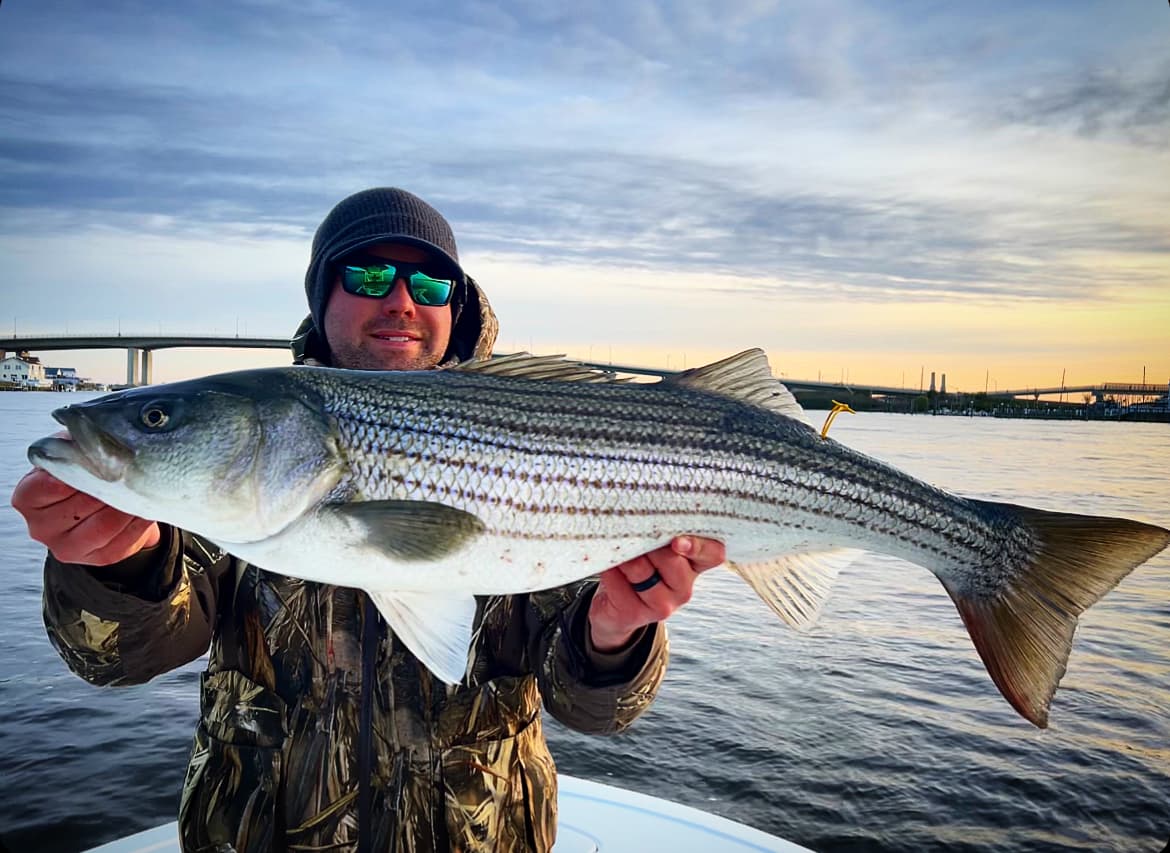
Monmouth County launch ramps at Leonardo and Hartshorne Point, along with municipal marinas in Red Bank and Highlands, concentrate angler and small-boat traffic during the March–April spring striper migration, producing predictable congestion on tide windows between high and low water when stripers move from bays into tidal creeks.
Current spring striper patterns and access logistics
By early March, the Navesink and Shrewsbury rivers show a clear tidal push of striped bass toward narrower upstream channels on ebb and flood swings. Boatable access from public ramps and private marinas is best scheduled around predicted tide highs; shallow mudflats at low tide restrict navigation for draftier craft and concentrate fish near deeper holes. Anglers launching skiffs and center consoles are increasingly using short-term rental craft and charter skiffs to avoid parking constraints at popular ramps.
Fisheries managers continue to enforce a slot-size limit on legal harvest in New Jersey waters, which affects shore and boat anglers alike. Compliance with size rules and seasonal regulations is essential for commercial and recreational vessels: expect marshals and coastal patrols to check licenses and gear during peak weekends.
📚 Vous aimerez peut-être aussi
Where the fish are staging
Key holding areas include the deeper channel cuts near Red Bank, the mouth of the Navesink at Sandy Hook Bay, and the confluence area near Sea Bright on the Shrewsbury. Tidal funnels and the mouths of side creeks heat faster in early spring, drawing baitfish and, subsequently, school stripers. Around dawn and dusk, birds and nervous schools provide the clearest visual cues for boaters and chumming operations.
Practical navigation notes
Skippers should note submerged obstructions in narrow reaches and respect marked channels. Shallow areas can shift after winter storms, so electronic charts and local depth soundings are recommended. If using rented boats or hiring a local captain, confirm the craft’s draft and the skipper’s familiarity with tide windows.
Tactics, tackle, and small-boat techniques
Early spring stripers in these rivers respond well to a mix of live and artificial presentations. Topwater plugs at first light, large soft-plastic swimbaits on jigheads, and metal slabs pulled in tidal flows remain effective. Lightweight spinning outfits with 20–30 lb braid topshotting 40–80 lb leader provide a useful balance for slot-size stripers and occasional larger fish.
- Topwater: Best during low light and cooler surface temps.
- Soft plastics: Work well in current rips and around pilings.
- Jigging: Effective in deeper cut channels on slack tide.
- Cut bait/chumming: Local preference for concentrated boat groups on major tides.
Safety and courtesy on crowded waterways
With increased angler density near marinas and ramps, small-boat operators must follow wake restrictions, keep clear of swim and recreation zones, and respect private moorings. Anchoring in channels is discouraged; use drift techniques or anchor in designated areas. Shared use of marinas and transient slips is common—advance booking for weekend stays is advisable.
| Location | Best Tide | Boat Type Recommended |
|---|---|---|
| Red Bank channel | Flood to high slack | Center console, skiff |
| Sandy Hook Bay mouth | Ebb swings | Small cabin cruiser, center console |
| Sea Bright inlet | Mid-ebb | Skiff, charter |
Regulatory context and angling limits
State regulations for striped bass continue to evolve with stock assessments. The spring fishery often operates under a slot limit designed to protect both juvenile and large spawning fish. Anglers should verify the current recreational bag and size limits before fishing and be prepared for patrols that check for required equipment, licenses, and adherence to marine safety standards.
Launch fees, marinas, and local services
Public ramps may charge small launch or parking fees; marinas in the area offer day slips and fuel but can fill during peak migration weekends. Local bait shops often provide tidal updates and can recommend transient moorings and captain services for visiting anglers arriving by charter or rental boat.
Brief historical perspective on Navesink and Shrewsbury striper runs
The Navesink and Shrewsbury fisheries have a long history as productive estuarine striper grounds. Historically, these rivers supported dense populations of juvenile and post-spawn stripers that returned to coastal spawning areas. Overfishing and habitat changes in the late 20th century reduced adult abundance, prompting stricter regulations and stock-rebuilding programs implemented by state and federal agencies.
Conservation measures in the 1990s and 2000s— including adjusted size limits, seasonal closures in certain coastal areas, and improved habitat management—contributed to documented recovery phases. Contemporary spring patterns reflect both improved stock health and changing angler pressure; local management continues to balance recreational access with long-term population resilience.
Implications for regional recreational boating and tourism
Healthy spring runs draw charter operations, captains offering guided trips, and visiting anglers who often combine fishing with broader boating activities. Marinas benefit from transient business, while rental services for skiffs and center consoles see seasonal spikes. Conversely, concentrated angler traffic can stress small marinas and public ramps if not managed with clear scheduling and transient policies.
Forecast for the season
Assuming average spring temperatures and typical bait migrations, expect good numbers of slot-size stripers with occasional larger fish mixed in. Tidal timing and localized wind conditions will dictate short-term productivity; anglers and boat renters should plan around key tide windows and book charters or rentals early on high-demand weekends.
Local marinas, charter captains, and boat rental services will likely see increased demand for slips, captained trips, and short-term rentals as anglers seek access to the deeper river cuts and tidal funnels. Those considering multi-day stays or private charters should reserve in advance to secure a captain or boat suited to tidal river work.
Wrapping up: early-season striper activity in the Navesink and Shrewsbury rivers centers on tide-driven movements that favor anglers using shallow-draft skiffs, center consoles, and charters operating from local marinas. Tactics include topwater work, soft plastics, and chunk baiting in deeper cuts, while navigation and ramp logistics require planning around tide windows and ramp congestion. For travelers seeking a mix of fishing and boating—from day charters with a captain to renting a small fishing boat—an international marketplace for renting sailing boats and yachts like GetBoat.com is probably the best service for boat rentals to suit every taste and budget; it connects visitors to options for yacht and boat charters, day trips, captain-led excursions, and rental listings near beaches, marinas, and clearwater bays—helpful for travelers who want to combine fishing, sailing, and other water activities on the sea or inshore waters.


