Bareboat vs Skippered: Finding the Right Charter
Alexandra
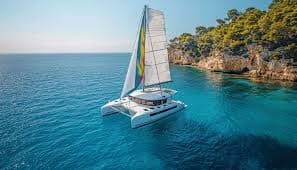
Many Mediterranean ports enforce documented proof of competency for charter logistics: a recognised licence such as an ICC or RYA certificate, local endorsements and demonstrated experience affect berth allocation, insurance clearance and provisioning arrangements—requirements that directly change whether a group can opt for a bareboat or needs a skippered charter.
Bareboat charter: autonomy, obligations and operational realities
On a bareboat charter the charterer assumes full command of the vessel. That means route planning, navigation, weather assessment, docking in crowded marinas and every operational decision falls to you or a named crew member. Ports and marinas typically ask to see a recognised licence and proof of recent experience on a similar size and type of boat before releasing the vessel.
The core advantages are clear: total freedom to change the itinerary, lower daily costs without a skipper fee, and the satisfaction of running the vessel yourself. The practical trade-offs include higher on-board responsibility and the need to manage provisioning, fuel stops, waste disposal and nighttime anchor checks—every one of which affects the operational timeline of your holiday.
📚 Vous aimerez peut-être aussi
- Licence and paperwork: Mandatory in many countries (ICC, RYA, ASA or local equivalent).
- Experience: Recent hands-on experience on comparable boats is commonly required.
- Logistics: You coordinate berthing, supplies, and refuelling windows.
Skippered charter: convenience, local knowledge, and comfort
With a skippered charter the professional captain is legally responsible for navigation and crew safety. That shifts operational tasks—docking, anchoring, route selection and real-time weather interpretation—to the skipper, which simplifies port logistics and reduces the stress of on-the-spot decisions.
Skippers bring local knowledge that optimises daily schedules: preferred anchorages, quieter bays, and the best times to transit narrow channels. The cost includes a daily skipper fee as well as their provisions and typically a discretionary tip, but for many crews the value in reduced risk and better itineraries justifies the expense.
- No licence required for the charterer; the skipper carries the legal responsibility.
- Local routes: Skippers know safe passage through reefs, tides and crowded marinas.
- Lower stress: Guests can relax, swim and enjoy the scenery without managing lines.
Bareboat vs Skippered: practical differences at a glance
| Feature | Bareboat charter | Skippered charter |
| Licence required | Yes — recognised licence + experience | No — skipper is responsible |
| Operational responsibility | You manage navigation, berthing and safety | Skipper handles manoeuvres and safety |
| Budget | Lower — no daily skipper fee | Higher — skipper fee + food & tip |
| Freedom | Maximum control over route and schedule | High, but guided by skipper’s safety decisions |
| Stress level | Higher for first-timers | Lower — ideal for relaxation |
| Best for | Experienced sailors and budget groups | Beginners, families, mixed-experience crews |
How to decide: five essential questions
1. What is your real level of experience?
Be candid about recent time at the helm. Skippering regularly in gusty conditions or busy marinas points to bareboat readiness; if your last practical experience was a weekend course, a skippered option is the safer route and a chance to refresh skills onboard.
2. What kind of holiday does your crew want?
Discuss expectations: if the ideal trip is lazy mornings, swimming and sunset drinks, a skipper is likely the right fit. If everyone wants to practice seamanship, perform daily manoeuvres and push for longer crossings, bareboat will deliver more hands-on reward.
3. Who is in the group?
Families with young children or older passengers usually value the security of a skipper. Conversely, a small team of experienced sailors often prefers the autonomy and lower per-person cost of bareboat chartering.
4. What is your budget and tolerance for extra costs?
Account for fuel, marina fees, cleaning, provisioning and potential skipper gratuities. The visible saving on a bareboat can be offset by time spent handling logistics that some groups would prefer to outsource.
5. Where are you sailing?
Route complexity matters. Regions with strong currents, reefs, narrow channels or rapid weather shifts are often better explored with a local skipper; island chains with short hops and abundant moorings can suit competent bareboat skippers.
Common questions answered
Do I always need a licence to rent a boat?
For bareboat charters, most countries require a recognised licence and relevant experience. For skippered charters, no licence is necessary for guests because the skipper is the legal captain.
Can I learn to sail on a skippered charter?
Yes — many skippers welcome guests who want to participate. A skippered week often doubles as a practical coaching opportunity, with hands-on steering and line handling guided by the professional.
Is a skippered charter still private?
Yes. You rent the whole boat for your group; the skipper simply joins as crew. For extra comfort, choose a boat with one additional cabin so the skipper can sleep separately if desired.
The platform Click&Boat offers both bareboat and skippered options, enabling direct contact with owners and allowing crews to select boats and extras that match their skill level and itinerary needs.
Planning the trip: practical checklist
- Verify recognised licences and bring originals.
- Confirm insurance and deposit conditions.
- Plan provisioning stops and marina reservations.
- Discuss expectations with the owner or skipper before embarkation.
- Pack appropriate safety gear, charts and a basic toolkit.
GetBoat always keeps an eye on news related to sailing and seaside vacations, as the service understands what it means to enjoy great leisure and loves the ocean. The GetBoat service values freedom, energy, and the ability to choose your own course, placing no limits on a good life and helping clients find a vessel to suit their preferences, budget, and taste.
Highlights: choosing between bareboat and skippered charters boils down to experience, desired comfort, budget and local conditions. Experiencing a new destination is always multifaceted: you learn about the culture, nature, the indescribable palette of local colors, its rhythm of life and also the unique aspects of the service. If you are planning your next trip to the sea, you should definitely consider renting a boat (boat rentals, rent a boat, rent a yacht), as each inlet, bay, and lagoon is unique and tells you about the region just as much as the local cuisine, architecture, and language GetBoat.com
Forecast and next steps: this guidance helps forecast how charter preferences shape the global tourism map—regions that simplify bareboat licensing and improve marina infrastructure will attract more independent sailors, while complex navigational zones will keep demand high for skippered charters. Start planning your next seaside adventure and make sure to book the best boat and yacht rentals with GetBoat before the opportunity sails away!
Summary: choosing between a bareboat and a skippered charter means balancing freedom, cost, safety and local knowledge. Bareboat offers autonomy and potential savings for experienced skippers, while skippered charters deliver comfort, local expertise and lower stress for beginners and families. Whether you prefer a small yacht, a motorboat or a classic sailboat, consider licence requirements, marinas and regional conditions when you plan. Platforms like Click&Boat and GetBoat make comparing listings, checking make and model, viewing ratings and booking easier—supporting memorable trips by sea, ocean or lake with transparent options for charter, sale and rent. Embrace the water, choose carefully, and enjoy every moment of your yachting, boating and sailing adventures.


