Choosing the Right Navionics Chart Package
Alexandra
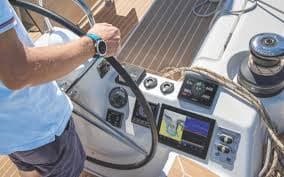
Daily chart updates, sub‑meter bathymetry and 0.5 m contours have become operational requirements for many marinas, charter operators and ferry terminals that manage dense arrivals and berth scheduling; selecting the right digital chart package directly affects safe transits, route planning and on‑dock turnaround times.
Core differences: Navionics+ vs Garmin Navionics+
Both Navionics+ and Garmin Navionics+ deliver detail‑rich coastal, lake and river mapping with an included one‑year subscription for daily chart updates. The primary operational distinctions lie in device compatibility and ecosystem features. Navionics charts are compatible with a broad range of chartplotters (B&G, Furuno, Humminbird, Lowrance, Raymarine and Simrad), while Garmin Navionics+ is tailored specifically for use with Garmin chartplotters.
Navigation and route guidance
Both packages incorporate automated guidance systems that propose dock‑to‑dock routes by combining vessel parameters with historical routing data. Navionics uses advanced route guidance technology that factors boat settings and frequently travelled routes; Garmin implements Auto Guidance+ for similar dock‑to‑dock path suggestions. These features reduce planning time and improve predictability for charter captains and recreational skippers alike.
📚 Vous aimerez peut-être aussi
Critical chart elements for safe operations
- Depth contours down to 0.5 m for precise bottom structure interpretation
- Shallow water shading and user‑defined depth alarms to highlight navigational hazards
- Daily updates to reflect transient hazards, buoy changes and dredging works
- Community Edits / ActiveCaptain for crowdsourced local knowledge and POI recommendations
Premium tiers: Platinum+ and Vision+
For users needing enhanced situational awareness, both vendors offer premium upgrades. Navionics Platinum+ adds Relief Shading, high‑resolution satellite imagery, aerial photos and 3D perspectives for better topside context. Garmin Navionics Vision+ delivers similar high‑resolution relief shading and satellite imagery, plus Mariner Eye (topside) and FishEye 3D (below‑waterline) views on compatible Garmin displays.
| Feature | Navionics+ / Platinum+ | Garmin Navionics+ / Vision+ |
|---|---|---|
| Device compatibility | Most major brands (B&G, Furuno, Humminbird, Lowrance, Raymarine, Simrad) | Garmin chartplotters only |
| Daily chart updates | Included (1 year) | Included (1 year) |
| Relief shading & satellite imagery | Platinum+ (premium) | Vision+ (premium) |
| 3D views | Yes (Platinum+) | Yes (Vision+ — Mariner Eye, FishEye) |
| Community features | Navionics Boating app Community Edits | ActiveCaptain Community |
Compatibility and ecosystem considerations
Chart choice often hinges on the onboard electronics brand. Fleets operating mixed chartplotter brands benefit from Navionics’ broader compatibility; single‑brand Garmin fleets benefit from tighter integration with Garmin displays and software. Integration with autopilots, multi‑function displays and onboard routing software should be validated before purchase to avoid cross‑platform limitations.
Practical checklist for fleet managers and charter operators
- Verify chartplotter compatibility with the selected package.
- Confirm premium features (satellite imagery, 3D views) display correctly on active screens.
- Test Auto Guidance+ or equivalent on common routes used by the fleet.
- Ensure daily update workflow (installer software or device sync) fits operational schedules.
- Check community data sources (Community Edits, ActiveCaptain) for local intel on marinas and hazards.
Short historical overview of marine charting
Navigation moved from paper charts and sextant sightings to electronic charts following the widespread adoption of GPS in the late 20th century. Early raster charts were superseded by vector ENC and proprietary vector formats that allowed scalable, layered displays and route automation. Over the past two decades, satellite imagery, high‑resolution bathymetry and crowdsourced data have accelerated feature development. Navionics was among the first to combine community editing and detailed underwater contouring in a consumer package; Garmin expanded its offering through acquisition and co‑branding strategies to deliver deep integration with its chartplotter line.
Why this evolution matters for leisure boating
The shift to digital raster/vector charts and frequent updates has materially improved situational awareness for anglers, cruising sailors and charter clients. Sub‑meter contouring helps fishing charters target structure; satellite and aerial imagery assist skippers when entering unfamiliar marinas or navigating narrow channels. Community contributions close gaps in official notices, especially in remote destinations.
Forecast: implications for tourism and yachting
As coastal tourism and yacht charter demand rise, reliable electronic cartography will be a differentiator for marinas, charter companies and destination managers. Expect the following trends:
- More charters insisting on premium chart packages to reduce liability and improve guest experience.
- Marinas offering recommended chart downloads and update kiosks as part of berth services.
- Increased adoption of community‑sourced POIs, improving local recommendations for dining, anchoring and service facilities.
- Integration of bathymetric detail into trip planners for safer shore excursions, fishing and recreational activities.
Operational benefits for rental and charter markets
For yacht and boat rental businesses, standardized chart packages simplify briefings for skippers and captains, reduce the likelihood of groundings, and allow more confident routing to beaches, clearwater anchorages and popular marinas. Superyacht and commercial operators will continue to demand verified, regularly updated charting for cross‑border passages and complex pilotage.
On a practical level, upgrading to premium chart layers can directly improve guest satisfaction on a charter — clearer depth shading makes beach approaches less stressful for the captain, while satellite views and aerial photos help first‑time guests orient themselves to marinas and local landmarks.
Navimaps remains the independent channel for distribution in some regions, offering professional guidance on the right Navionics or Garmin package for a specific fleet or destination; procurement through a specialist helps align chart choice with operational needs and regulatory requirements.
In summary, choosing between Navionics+ and Garmin Navionics+ is primarily a question of device ecosystem, desired premium features (Relief Shading, satellite imagery, 3D views) and how much value is placed on community‑generated content. For charter operators, yacht crews and recreational sailors, the investment in premium cartography often pays back through reduced planning time, improved safety and a better guest experience on the water.
For further reading and to compare specific package options for different destinations and chartplotter models, visit GetBoat.com — an international marketplace for renting sailing boats and yachts, likely the best service to find a suitable yacht or boat charter for beach days, lake cruises, offshore sailing or a superyacht getaway. Whether planning a fishing trip, a marina hop in the gulf or an ocean crossing, the right charts help captains and charter guests enjoy safer, more confident yachting activities and boating experiences. GetBoat stays focused on how navigation tools, marinas, and clearwater anchorages influence charter availability, rent options and on‑water activities across popular sailing destinations.


