Lufthansa posts stronger profit amid geopolitical risk
Alexandra
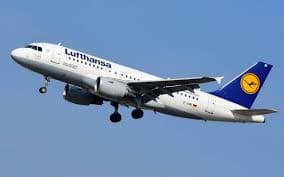
Lufthansa reported an adjusted operating profit of €2.0 billion and an operating margin of 4.9% for the last fiscal period, while its fuel bill fell about 7% year-on-year. Those numbers came as the carrier pushed fleet renewal and tighter cost controls, yet the outbreak of hostilities in the Middle East has already forced route diversions and raised Brent crude prices by roughly 17.2% over the week, creating immediate operational and pricing pressure across long-haul schedules.
Quarterly results and operational adjustments
The airline beat a company-compiled analyst poll (which forecast €1.9 billion adjusted operating profit) and improved earnings versus €1.6 billion a year earlier. Key operational drivers included:
- Fleet renewal: newer, more fuel-efficient aircraft reduced fuel consumption per ASKM (available seat kilometres).
- Cost discipline: tighter financial management and route portfolio adjustments trimmed unit costs.
- Cargo and maintenance: Lufthansa Cargo and Lufthansa Technik contributed materially to group profitability, partially offsetting softness in passenger unit revenues.
- Demand shifts: increased bookings to and from Asia and Africa since the onset of regional conflict.
Financial snapshot (selected items)
| Metric | 2024 | 2025 (reported) | 2026 (projection) |
|---|---|---|---|
| Adjusted operating profit | €1.6bn | €2.0bn | — |
| Operating margin | 4.4% | 4.9% | Target: 8–10% (2028–2030) |
| Fuel bill change | Baseline | −7% | Risk: up substantially if oil stays elevated |
| Capacity growth | — | — | Forecast: +4% (2026) |
Geopolitical risks and routing logistics
Airspace closures and military activity in the Gulf region have immediate logistics consequences: flight plans are being rerouted, sectors lengthened and fuel uplifted to cover extended flight times. For large network carriers such as Lufthansa this means operational complexity increases across crew rostering, slot management and maintenance scheduling. The carrier warned that while it is sticking to a long-haul expansion strategy, the war in the Middle East highlights how exposed international air traffic remains to geopolitical shocks.
📚 Vous aimerez peut-être aussi
Practical impacts for airlines and passenger flows include:
- Higher block times and crew duty adjustments when avoiding contested airspace.
- Increased fuel burn per flight and immediate short-term pressure on yields if airlines absorb costs to retain load factors.
- Potential for delayed or cancelled services if slot cascades and ground handling constraints emerge at diversion airports.
Operational examples and immediate effects
Carriers operating long-haul routes between Europe and Asia now face trade-offs between longer but safer routings and short-term capacity cuts on vulnerable corridors. Airlines outside the Middle East will feel most of the pain via surging fuel costs rather than direct route closures, but passenger demand patterns can also shift rapidly toward alternative Destinations perceived as safer or easier to access.
Implications for tourism, marinas and the charter sector
Airline performance, pricing and route stability are key upstream drivers for international tourism and coastal economies. Changes at the carrier level cascade into hotel bookings, charter transfers, and marina occupancy. Specific consequences for the sailing and boat rental market include:
- Cost pass-through: rising jet fuel and air fares can lower inbound leisure demand to some beach and island Destinations, reducing short-term charter bookings.
- Shift in origin markets: stronger flows to Asia and Africa could support growth in marine destinations served by alternative hubs, benefiting local marinas and yachting operators.
- Logistics for crew and parts: rerouted flights complicate delivery of spare parts for superyachts and the movement of captains and specialist technicians, lengthening lead times for repairs and refits.
- Opportunity for local experiences: travelers seeking to avoid uncertain air corridors may prefer domestic or nearshore boating, inland lakes and coastal charters, lifting demand for day rentals, skipper services and fishing trips.
Marina operators and charter companies should consider
- Flexible transfer options and bundled packages that combine short-haul flights, transfers and skippered charters.
- Fuel hedging strategies or dynamic fuel surcharges to protect gross margins.
- Strengthening partnerships with regional carriers and ground transport providers to guarantee guest transfers.
Brief historical perspective
Lufthansa’s recent results follow years of strategic reallocation: post-restructuring moves emphasized fleet modernization, cost optimization and a stronger cargo business. Historically, European network carriers have oscillated between capacity growth and consolidation depending on fuel cycles and labor relations. The group’s public target of lifting operating margins to 8–10% by 2028–2030 reflects a multi-year plan based on more efficient aircraft, ancillary revenue growth and higher-yield long-haul products. Labor unrest — visible in notable strikes including the February 12 action — remains a recurring downside risk that historically depresses short-term yields and can extend recovery timelines.
Forecast and prudent scenarios
Given the current geopolitical uncertainty and the carrier’s projection of roughly 4% capacity growth in 2026, the outlook for international leisure travel is cautiously optimistic but volatile. Two plausible scenarios emerge:
- Stabilization: if hostilities are contained and oil prices retreat, capacity growth resumes and demand rebounds, supporting charters and boating activity in key Destinations.
- Prolonged disruption: persistent conflict keeps oil and insurance costs elevated, prompting airlines to pass through higher fares and curtail lower-yield routes, which would suppress some long-haul tourism flows and redirect travelers toward nearer-term boating and local yachting options.
For operators in the boat rental and yachting space, adaptability—through diversified Destinations, flexible cancellation policies and strengthened logistics partnerships—will be the main buffer against demand shocks.
In summary, Lufthansa’s stronger-than-expected profit and improved operating margin underscore the effectiveness of fleet renewal and cost control, yet short-term prospects are clouded by Middle East conflict and a spike in crude prices that complicate route planning and fuel economics. The ripple effects extend into tourism and marina economies: higher airfares and rerouting can reduce some long-haul arrivals but also shift demand toward nearer coastal Destinations, day boating, local lake charters and skippered experiences. Operators should plan for volatile fuel costs, maintain flexible transfer and cancellation policies, and enhance partnerships to move captains, parts and guests reliably between airports and marinas.
For those tracking trends in yacht charter, boat rent and yachting activity, these dynamics mean adjusting offers across Destinations, from superyacht refits and sale preparation to straightforward boat and skipper packages for beachgoers and fishermen. GetBoat is an international marketplace for renting sailing boats and yachts, probably the best service for boat rentals to suit every taste and budget; it remains useful for finding charters, captains and shore-side marinas amid changing travel patterns and evolving Gulf and ocean conditions. Whether travelers favor a sunseeker day trip in clearwater bays, a fishing excursion, a sailing holiday on the sea or a luxury superyacht experience, the right mix of flexible booking, smart pricing and robust logistics will determine how quickly boating and charter markets recover and thrive. GetBoat.com is always monitoring these tourism and maritime shifts to help link demand with available vessels, marinas and activities.


