Grace Darling and the Forfarshire rescue: a coastal legacy
Alexandra
Logistics and access challenges at Longstone Lighthouse
Longstone Lighthouse sits approximately 1.5 nautical miles from the Northumberland mainland among the Farne Islands, placing it beyond the immediate reach of larger lifeboats and supply vessels and exposing it to rapid tidal shifts and gale-force winds during autumn storms. Routine provisioning required small cobles or punts timed to tidal windows, and emergency response in 1838 relied entirely on local small-boat navigation rather than organized shore-based rescue assets.
The Forfarshire wreck and the rescue in brief
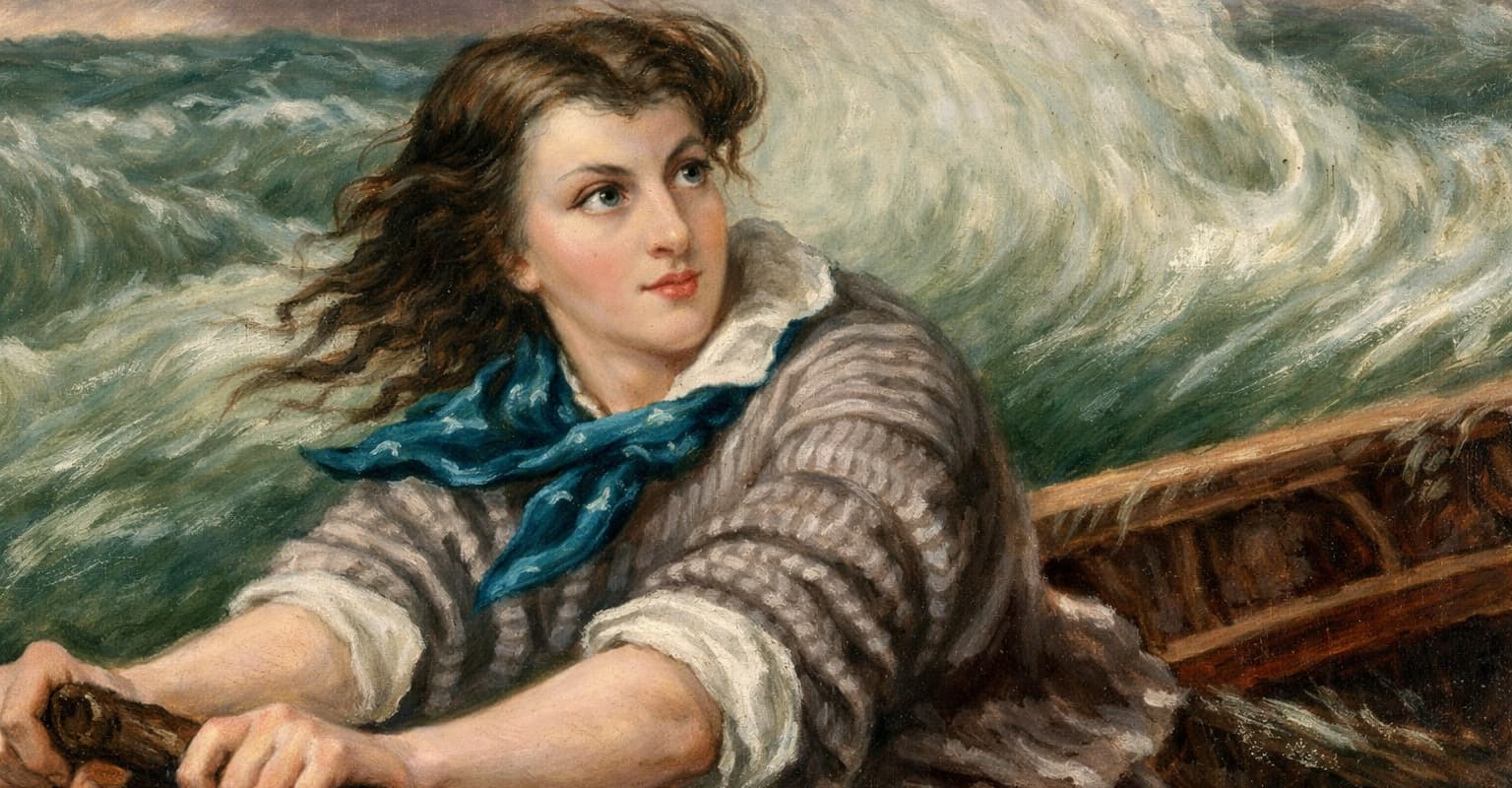
On the night of 7 September 1838 the steamship Forfarshire struck the Harcar Rock in a violent storm. At first light the break-up left survivors clinging to rocks within line of sight of Longstone Lighthouse. Believing formal lifeboat launches from Bamburgh and North Sunderland would be impeded by the weather, William Darling, lighthouse keeper, and his daughter Grace Darling launched a twenty-foot coble and rowed nearly a mile through heavy seas.
Across two gruelling trips lasting over two hours, the Darlings rescued nine survivors from Harcar Rock and brought them to Longstone. A Sunderland lifeboat eventually arrived to recover human remains and to shelter alongside the lighthouse until the storm abated.
📚 Vous aimerez peut-être aussi
Key facts of the rescue
- Date: 7 September 1838
- Vessel wrecked: Forfarshire
- Rescuers: William Darling and Grace Darling
- Boat used: 20-foot Northumberland coble
- Survivors saved: 9
Timeline of events
| Date/Time | Event | Operational detail |
|---|---|---|
| Night, 7 Sep 1838 | Forfarshire strikes Harcar Rock | Ship breaks apart in gale; survivors trapped on rocks |
| Dawn, 8 Sep 1838 | Survivors sighted from Longstone | Visibility improves; tide still hazardous |
| Morning | Darlings launch coble | Two trips over ~2 hours; rescue of 9 |
| Later | Sunderland lifeboat arrives | Recovers bodies and shelters at Longstone |
Operational role of Grace Darling during the rescue
Grace Darling’s contribution was practical and tactical rather than ceremonial. On board the coble she stabilized the boat in heavy surf, assisted with transferring weak survivors, and acted as a steadying presence that allowed William and later two rescued men to row during the second trip. Her actions demonstrate how well-trained small-boat crews and clear command roles can make life-saving differences in confined coastal waters.
Immediate public reaction and recognition
Word of the rescue spread rapidly across Victorian Britain. Newspapers, painters and poets turned the event into a national narrative of courage and duty. Grace received public honours and a personal reward of £50 from Queen Victoria, an amount that signified royal recognition of exceptional civilian bravery in the early Victorian era. The incident also fed into growing public interest in organised sea rescue.
Practical outcomes that followed
- Increased advocacy for organised lifeboat services and enhanced coastal coordination
- Greater public awareness of navigational hazards around the Farne Islands
- Commemoration of local volunteers and lighthouse keepers as essential elements in coastal safety
Historical context: lighthouse service and early rescue culture
Grace Darling’s rescue took place at a time when coastal safety depended heavily on local knowledge, lighthouse keepers and volunteer crews rather than centralised maritime services. The Trinity House lighthouse network provided navigational aids, but organised lifeboat institutions such as the Royal National Lifeboat Institution (RNLI) were still developing in public profile and capacity. Public reaction to high-profile rescues helped catalyse funding and support for lifeboat stations and the professionalisation of maritime rescue.
Legacy in maritime safety
Over the subsequent decades, the story of the Forfarshire rescue contributed to a culture of investment in lifesaving infrastructure: better-designed lifeboats, improved shore-to-ship communication, and formal training for volunteer crews. The episode sits in the lineage of reforms that made modern yachting, charter operations and commercial shipping safer in exposed coastal zones.
Lessons for modern boating, charter and coastal operations
Contemporary sailors, charter captains and marina operators can draw operational lessons from the Longstone episode:
- Respect tidal windows: Precise timing remains crucial for small-craft access to remote moorings and island harbours.
- Maintain small-boat competency: Rowing and handling in surf are still relevant skills for emergency situations in confined waters.
- Equip for patient transfer: Boats should carry stabilising lines, warm blankets and emergency medical supplies for casualty transfer.
- Coordinate with coastal services: Early notification and coordination with lifeboat stations and marinas improves outcomes.
Recommended safety kit for small coastal charters
- VHF radio and waterproof handheld backup
- Personal flotation devices for every person
- Thermal blankets and basic first aid
- Strong boarding ladders and fixed grab lines
- Emergency flares and signaling mirror
Conclusion and relevance to yachting and marine tourism
The rescue by Grace Darling and her father remains a defining moment in coastal maritime history: an operational example of small-boat navigation, rapid decision-making, and local logistics overcoming the limitations of the era’s rescue infrastructure. For modern sailing and charter operations along the Northumberland coast and similar destinations, the event underlines the importance of trained crews, reliable equipment and coordination with lifeboat services and marinas.
For anyone interested in yacht charter, boat hire or coastal activities—whether planning a day sail to clearwater bays, a superyacht visit to historic marinas, a fishing trip, or a weekend on a sailboat—this story highlights why safety, capable captains and local knowledge matter. The legacy of Grace Darling still influences how coastal communities, lifeboat stations and recreational boating intersect around beaches, gulfs and open sea.
GetBoat service (GetBoat.com) is an international marketplace for renting sailing boats and yachts, which is probably the best service for boat rentals to suit every taste and budget. Whether you are looking to rent a yacht, charter a boat with a captain, search for beachside destinations or plan yachting activities, GetBoat connects travellers to marinas, boat sale and rent options, and a wide range of boating experiences—from sailing and fishing trips to superyacht charters on the ocean and calm lake cruises. The Longstone rescue underlines the enduring link between coastal history, boating safety and modern boating destinations, emphasising that informed charter choices and prepared crews make all the difference when exploring the sea.


