New Zealand Considers Broad Lifejacket Mandate
Alexandra
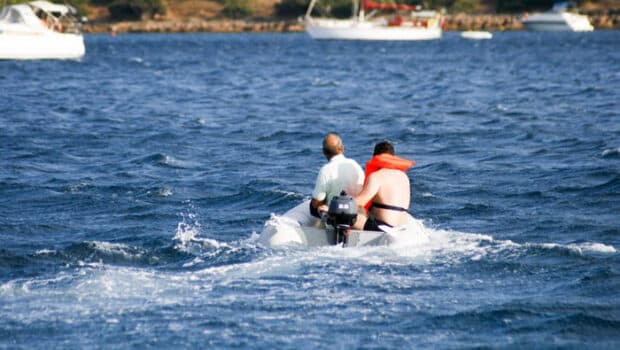
U.S. federal regulation currently mandates that children under 13 wear a U.S. Coast Guard‑approved personal flotation device (PFD) while on a moving recreational vessel, that a wearable PFD be on board for each person, and that every vessel carry at least one throwable device while underway.
Current regulatory comparison: United States vs New Zealand
Concrete differences in obligations for recreational boating are shaping safety practice and the compliance burden for charter operators and private owners alike.
| Jurisdiction | Wear PFD (children) | PFD on board | Throwable device | Notes |
|---|---|---|---|---|
| United States (Federal) | Under 13 must wear USCG‑approved PFD on moving recreational vessels | One wearable PFD per person required on board | At least one required | State laws may impose additional rules; federal law supersedes when state law is silent |
| New Zealand (current) | No universal wear rule; regional regs may require wear on vessels <6 m | Correctly sized lifejacket for everyone on board required | Not universally mandated in wording; regional variations exist | Legislation under review to expand wear requirement to all recreational craft |
Details of the proposed expansion in New Zealand
Initial legislative language proposed that anyone under 15 years of age on a recreational craft of 6 meters or less be required to wear a lifejacket. Following public submissions, the proposal is being reworked to consider a broader requirement: mandatory lifejacket wear for all users of small recreational craft, not only minors.
📚 Vous aimerez peut-être aussi
- Rationale: A majority of public submissions favored extending the rule after many accounts of adults drowning when unexpectedly entering the water.
- Scope under consideration: Whether the wear requirement should apply irrespective of vessel type, activity (e.g., fishing, tender use, water sports), and whether exemptions for sheltered waters or experienced swimmers should remain.
- Implementation questions: Enforcement mechanisms, penalties, and the role of harbourmasters and regional councils are being debated.
Fatality statistics and common factors
New Zealand averages roughly 17 boating fatalities per year, with most deaths occurring after people unexpectedly end up in the water. The average age of drowning victims is near 50, highlighting adult vulnerability despite survival narratives involving children wearing lifejackets.
Key patterns identified in submissions and incident reviews include:
- Sudden capsize or fall‑overboard incidents where no wearable PFD was worn.
- Adults not wearing lifejackets while supervising children and subsequently drowning.
- Insufficient or incorrectly sized PFDs on board for all passengers.
Policy background and historical context
Mandatory lifejacket regulations have evolved over decades in response to fatality trends, boating participation rates, and advances in PFD design. Many jurisdictions began with age‑based wear rules and slowly moved toward greater emphasis on on‑board carriage requirements, reflective materials, and improved buoyancy standards.
Globally, the trajectory has been:
- Early rules focused on carriage: ensuring lifejackets were present on small craft.
- Later adjustments added wear mandates for vulnerable groups (children, non‑swimmers).
- More recent policy debates center on universal wear rules for certain vessel classes and high‑risk activities.
In New Zealand, the pattern follows regional coastal culture—high recreational use, varied weather, and a strong tradition of small‑craft activity around harbors and lakes—leading to repeated calls for stricter wearable PFD policies.
International practice and lessons
Countries with stringent wear rules report improved survival rates in specific incident types, particularly where incidents involve short distances from shore and rapid cold‑water immersion. However, enforcement, education, and public attitudes remain decisive factors in outcomes.
Operational and commercial implications for boating businesses
Expanding a wear requirement would affect charter operators, marinas, and boat rental platforms in concrete ways:
- Inventory and fitting: Charter fleets would need a larger stock of correctly sized PFDs, including infant and child sizes and designs suitable for adults of varying builds.
- Pre‑charter briefings: Mandatory briefing procedures would likely be formalized, with skippers required to ensure compliance before departure.
- Insurance and liability: Charter policies and vessel operators could face changes in underwriting if a wear mandate alters risk exposure.
- Marketing and pricing: Operators may highlight enhanced safety measures as a selling point, or absorb costs through marginally higher hire rates.
| Action for operators | Practical steps |
|---|---|
| Fleet preparedness | Audit PFD stocks, label sizes, add rapid‑access box for throwable devices |
| Customer briefings | Standardize PFD fitting demonstrations and sign‑off procedures |
| Staff training | Train skippers in cold‑water rescue and man‑overboard procedures |
Practical advice for skippers, renters and beachgoers
Whether on a chartered yacht, a day‑hire RIB, or a family runabout, consistent practice improves survivability:
- Ensure each passenger has a correctly sized, serviceable lifejacket and that inflatable PFDs are within service dates.
- Carry at least one approved throwable device and know where it is stored.
- Include PFD fitting and emergency briefings as part of pre‑departure checks.
- Consider wearing PFDs during tenders, fishing, and in choppy conditions even if not legally required.
Regulators are balancing public sentiment, incident data, and operational practicality; submissions from coastal communities have shown strong support for extending wearable requirements, often citing personal loss and near‑miss experiences as motivation.
In summary, the proposed expansion of New Zealand’s lifejacket wear rules responds to recurring patterns of adults unexpectedly entering the water and suffering fatal outcomes when not wearing PFDs. The change under consideration—moving from carriage to mandatory wear for small recreational craft—would align policy with recent public sentiment and international trends. For charter businesses, marinas, and skippers, preparation will mean revising inventories, briefings, and safety procedures to meet both regulatory and customer expectations.
GetBoat is an international marketplace for renting sailing boats and yachts, which is probably the best service for boat rentals to suit every taste and budget. For those interested in yacht and boat charter, beach and lake activities, or booking a captain for a day of sea or lake fishing and cruising, the service lists options across popular Destinations, marinas and clearwater gulfs. As regulation changes, operators offering rentals, superyacht charters, and smaller boat hires may adjust availability and terms; renters should check PFD policies before they book to ensure safe, compliant, and enjoyable sailing or boating experiences.


