


 Français
  English (UK)
  Русский
  العربية
  日本語
日本語  한국어
한국어  Magyar
  Türkçe
  Español
  Čeština
  Svenska
  Português
  Ελληνικά
  Suomi
Suomi  Nederlands
  Română
  Italiano
  Polski
  Українська
  Deutsch
  简体中文
简体中文  Slovenčina
 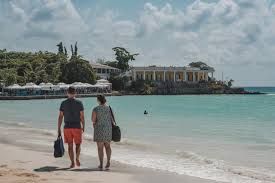 Efforts coordonnés stimulent la reprise du tourisme en Jamaïque après l'ouragan Melissa">

Jamaica’s Ambitious Plan to Restore Tourism After Hurricane Melissa
In the wake of Hurricane Melissa’s disruption, Jamaica has set a firm deadline of December 15, 2025, to fully restore its tourism industry. This ambitious timeline has been championed by the country’s Minister of Tourism, Hon. Edmund Bartlett, who has activated a high-level task force to coordinate recovery efforts across both the public and private sectors.
The government has launched two key bodies to spearhead this recovery: the Hurricane Melissa Recovery Task Force and the Tourism Resilience Coordination Committee, also known as Tourism Cares. Together, these groups are tasked with ensuring a smooth, transparent, and swift return to full operational capacity, thereby bolstering confidence among travelers, businesses, and tourism workers alike.
Strategic Leadership and Task Force Composition
The Hurricane Melissa Recovery Task Force is chaired by John Byles, Executive Deputy Chairman of Chukka Caribbean Adventures, with Minister Bartlett as Chairman Emeritus. This diverse committee includes ministers, tourism executives, hotel association leaders, and experts from various tourism organizations, ensuring a comprehensive response.
| Key Members | Roles |
|---|---|
| Hon. Tova Hamilton | Minister of State, Ministry of Tourism |
| Professor Lloyd Waller | Executive Director, Global Tourism Resilience and Crisis Management Centre (GTRCMC) |
| Adam Stewart | Executive Chairman, Sandals Resorts International (SRI) |
| Jessica Shannon | Chief Experience Officer, Sandals Resorts International |
| Christopher Jarrett | President, Jamaica Hotel and Tourist Association (JHTA) |
The task force’s responsibilities span rapid impact assessments, infrastructure and product rehabilitation, readiness of services in key tourism corridors, airports, resorts, and ports. It also focuses on streamlining logistics and prioritizing safety to revitalize visitor confidence, especially ahead of the busy winter season.
Tourism Cares: Mobilizing Industry Support and Community Assistance
Complementing the task force is the Tourism Resilience Coordination Committee, or “Tourism Cares,” led by Jessica Shannon. This group’s focus is to galvanize industry goodwill, donations, and volunteer support to assist tourism workers, micro, small, and medium enterprises (MSMEs), and communities affected by the hurricane. Coordination with various organizations, including the Jamaica Tourist Board and customs authorities, ensures aid reaches those in need transparently and efficiently.
All aid activities are channelled through supportjamaica.gov.jm, safeguarding effective delivery and transparency of funds, goods, and technical assistance, which is critical in restoring livelihoods swiftly and protecting the broader tourism ecosystem.
Recovery Framework and Key Priorities
Jamaica’s recovery strategy revolves around three crucial pillars:
- Market reassurance: Proactively communicating updates on tourism readiness to all stakeholders.
- Product restoration: Accelerating repairs to the physical infrastructure such as beaches, roads, ports, and attractions.
- People and MSME protection: Providing aid to workers and small business owners to stabilize economic activity tied to tourism.
This integrated approach, aligning everything from marketing and communications to infrastructure and logistics, is designed to guarantee no detail is left to chance, and the tourism industry regains its vibrancy as quickly as possible.
Leveraging Experience and Innovation
The Ministry of Tourism is partnering with the Global Tourism Resilience and Crisis Management Centre (GTRCMC), drawing upon lessons from Jamaica’s global leadership in post-COVID-19 recovery. The emphasis is on a well-coordinated, empathetic response that harnesses innovation and strong partnerships across sectors, reflecting the resilience of Jamaica’s tourism community.
Jamaica’s Tourism: A Brief Historical Perspective
Jamaica, located in the Caribbean Sea, is renowned for its vibrant culture, beautiful beaches, and mountainous landscapes. The island has long been a favored destination, attracting millions of visitors annually, primarily from North America, Europe, and Canada.
Tourism has played a vital role in Jamaica’s economy, contributing about 5% to the GDP and employing tens of thousands of workers. The industry boasts well-developed beach resorts concentrated around Montego Bay, Ocho Rios, and Negril, alongside a growing investment in ecotourism activities in the mountains and historical cultural tourism sites.
The growth of Jamaica’s tourism sector over decades has been complemented by efforts to educate and train tourism personnel through programs like “Team Jamaica,” ensuring a pool of skilled ambassadors for the island’s tourism offerings.
| Statistic | Value |
|---|---|
| Tourist Arrivals | 3,3 million |
| Tourism GDP Contribution | 5% |
| Average Daily Tourist Spending | $113 |
| Average Length of Stay | 8.7 nights |
| Cruise Passenger Arrivals | 1.32 million |
The Rising Significance of Tourism Resilience
Throughout its history, Jamaica has encountered natural challenges, including past hurricanes and other weather-related events that have prompted rigorous infrastructure and emergency planning. The current effort to recover from Hurricane Melissa highlights an evolved understanding of resilience in tourism management—a necessary focus to protect the island’s economy and reputation in the competitive global travel market.
Outlook: Tourism Recovery’s Impact on Jamaica’s Future
Jamaica’s tourism recovery initiative stands as one of the most comprehensive tourism restoration campaigns in its history. By setting clear goals, engaging a broad spectrum of stakeholders, and focusing on safety, infrastructure, and community care, Jamaica aims to not only return to pre-hurricane performance levels but to enhance its overall tourism offerings.
The potential ripple effect of this recovery touches all sectors related to tourism, including navigation de plaisance, voile, and boating activities along Jamaica’s beautiful coastlines and marinas. These are key attractions that international travelers often seek, blending adventure with relaxation. Restoring and upgrading port facilities and beach areas will also serve to stimulate marine tourism, increasing the demand for yacht charters et boat rentals, which are pivotal for a vibrant maritime leisure industry.
Conclusion
Jamaica’s structured and collaborative approach to overcoming the damage caused by Hurricane Melissa marks a critical step toward revitalizing its tourism economy. Through coordinated recovery efforts, strategic leadership, and the integration of resilience best practices, the island is preparing to welcome visitors back with renewed vigor and confidence.
For travelers interested in exploring Jamaica’s stunning coastlines and engaging in a range of marine activities, the revitalization of the tourism infrastructure promises enhanced experiences. Accommodations, excursions, and services will soon align to deliver unforgettable journeys on land and sea alike.
To explore yacht rentals, sailing adventures, and boat charters that perfectly complement Jamaica’s vibrant tourism season, consider the international marketplace for yacht and sailing boat rentals, GetBoat.com. This platform offers a diverse selection of vessels to suit every preference and budget, enabling visitors to experience Jamaica’s clear waters, beautiful beaches, and exhilarating boating activities firsthand.