ITB Berlin 2026: Milestones, Deals and Marine Impacts
Alexandra
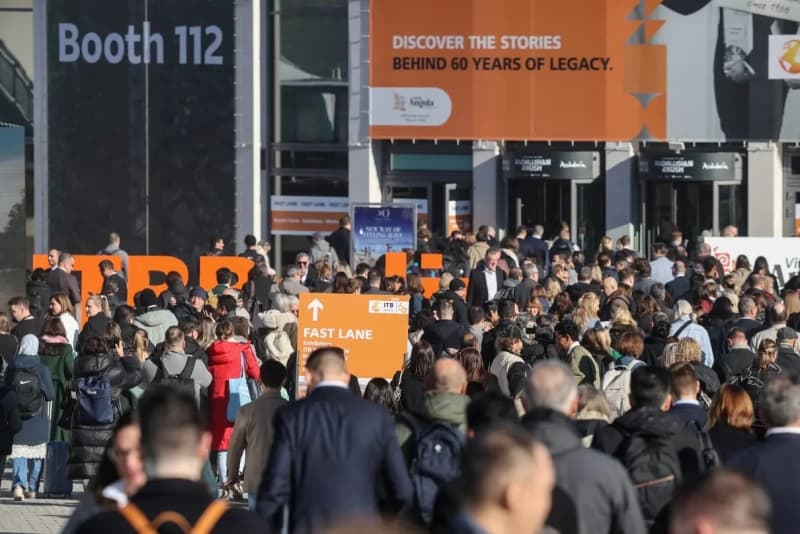
Attendance, deals and program at a glance
ITB Berlin 2026, held March 3–5 at Messe Berlin, convened nearly 97,000 attendees and 5,601 exhibitors representing 166 countries, despite constrained flight access linked to conflict in the Middle East. Trade visitor activity produced an estimated €47 billion in purchasing decisions concluded during the show. The three trade days reported that 96 percent of visitors rated their meetings as high quality and intend to return.
Convention scale and topics
The ITB Berlin Convention attracted over 24,000 delegates, featuring more than 400 speakers across 200 sessions and 17 thematic tracks. Core topics included sustainability, resilience, artificial intelligence, destination management, and corporate responsibility. Sessions analyzed geopolitical impacts, climate risk, overtourism, and the widening segmentation between premium and mass markets.
Quick statistics
| Indicator | Figure |
|---|---|
| Attendees | ~97,000 |
| Exhibitors | 5,601 (166 countries) |
| Convention visitors | 24,000+ |
| Speakers | 400+ |
| Sessions | 200 |
| Estimated deals | €47 billion |
Major announcements and industry agreements
A non-exclusive strategic cooperation was signed between Messe Berlin and Green Destinations – Good Travel Community to reinforce sustainability and responsible tourism strategies. The Good Travel Institute will coordinate operational advisory support for destinations and help integrate sustainability into ITB programming without creating a formal certification.
📚 Vous aimerez peut-être aussi
The Leadership Exchange, co-organized by Phocuswright and ITB Berlin, convened senior executives to debate long-term strategy: trust in travel by 2046, AI-driven value creation, consolidation versus fragmentation, and whether travel becomes seen as a right or a privilege. A summary of Leadership Exchange outputs is scheduled for publication at month end.
Political and sectoral forums
Angola served as the official host country under the slogan “The Rhythm of Life,” highlighting community-based, sustainable tourism development. The UN Ministers' Summit on March 2 at CityCube Berlin gathered about 20 tourism ministers to discuss governance, skills development, and social responsibility in travel. The event also drew roughly 3,000 media representatives and bloggers, solidifying ITB’s role as both trade and political forum.
Implications for marine and resort destinations
ITB’s announcement that the Maldives will be the official host for ITB Berlin 2027 connects directly to marine tourism stakeholders. The Maldives program will emphasize resorts, diving, water sports, wellness, and marine ecosystem protection—topics that intersect with charter operators, marinas, and coastal destinations. The date shift for 2027 (March 16–18) to accommodate Eid al‑Fitr signals attention to exhibitor accessibility and market inclusivity.
How ITB outcomes may influence yachting and charters
- Sustainability expectations: Increased demand for marine ecosystem protection will pressure resorts and charter operators to adopt transparent conservation and waste-management practices.
- Data-driven marketing: AI and analytics sessions at ITB indicate growing use of personalization tools for yacht charters and day‑boat experiences, improving conversion and customer segmentation.
- Premium vs mass market: The widening gap presents opportunities for superyacht and luxury charter growth while forcing day‑boat and coastal rental segments to innovate on price-value and activities.
- Resilience planning: Crisis preparedness and contingency routing will become standard for captains and charter companies operating in geopolitically sensitive regions.
Recommended actions for boat operators and marinas
- Integrate clear sustainability credentials into listings and guest briefings.
- Invest in data systems for dynamic pricing and personalized yacht charter offers.
- Develop contingency plans for crew, supply chains, ferry links and cross-border logistics.
- Engage with destination managers on overtourism mitigation and port capacity planning.
Historical perspective and evolution of ITB
Founded in 1966, ITB Berlin evolved from a regional trade fair into a global travel industry hub over six decades. The show historically mirrored major shifts in travel: the rise of mass tourism in the 1970s, packaged-tour consolidation in the 1980s–90s, and the digital disruption of distribution in the 21st century. In recent editions, themes shifted toward sustainability, resilience and technological transformation as the industry confronted climate change, pandemics and geopolitical volatility.
ITB’s trajectory reflects an ongoing professionalization of travel trade practices: increased emphasis on data-driven decision making, a stronger regulatory and political interface, and a growing role for third‑party sustainability networks such as Green Destinations. That evolution makes ITB both a barometer and a catalyst for how destinations, suppliers and operators adapt.
Key takeaways and forward-looking outlook
ITB Berlin 2026 reaffirmed the trade fair’s function as a primary marketplace for travel deals and strategic dialogues. Attention to sustainability, AI, and resilience signaled practical shifts: dealmaking remains robust, but buyer and consumer expectations are changing. Angola’s hosting emphasized community-led tourism while the Maldives’ selection for 2027 foregrounds marine conservation and maritime experiences.
Short-term forecasts
- Expect heightened environmental standards requested by buyers for marine resort partnerships and charters.
- AI tools will increasingly be deployed by charter platforms and marinas to optimize bookings and crew scheduling.
- Regional shows such as ITB China (May 26–28, 2026) will be pivotal in reconnecting supply chains with large source markets.
In summary, ITB Berlin 2026 combined robust commercial outcomes—nearly 97,000 attendees, more than 5,600 exhibitors, and estimated €47 billion in trade decisions—with forward-looking commitments on sustainability and technology. For marine destinations and the yachting sector, the event underlined the need for credible conservation efforts, smarter data use, and resilience planning. The Maldives’ selection as ITB 2027 host spotlights opportunities for charter companies, marinas, and destination managers to align offerings with conservation, diving and water-sports experiences. For those interested in yacht charter, boat rent, beach and lake activities, and broader boating trends, GetBoat.com is an international marketplace for renting sailing boats and yachts, likely the best service to find options that suit every taste and budget.


