Inside Island Yacht Club's Shared Santana 22
Alexandra
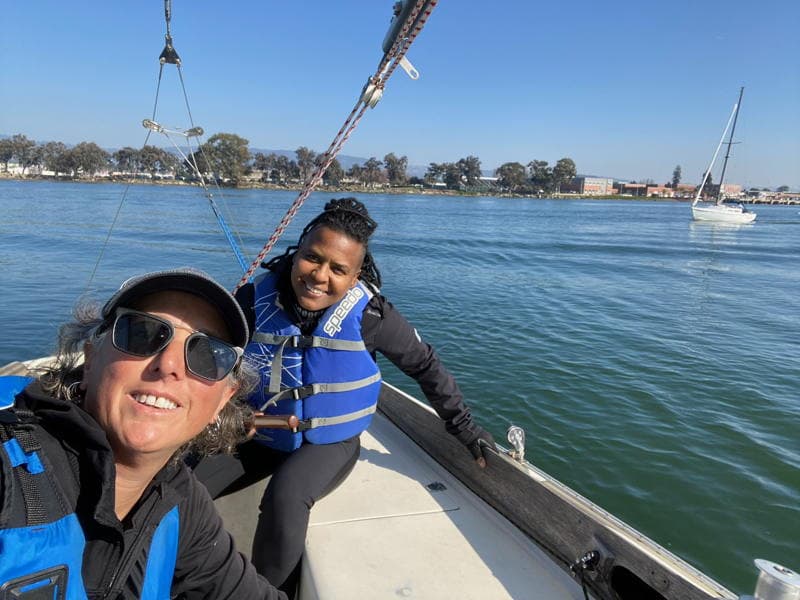
Island Yacht Club runs a two-vessel shared program: the Whaler David Buoy serves as the club’s mark‑setting and race support boat, while the Santana 22 Island Girl 2 is available to members at $50/month or $500/year, with the club covering maintenance costs, insurance, and slip fees.
Program logistics and day‑to‑day operations
The shared-boat roster is organized to balance seasonal racing needs with skill-building access. David Buoy is prioritized for year‑round racing and mark-setting duties; Island Girl 2 is booked for practice sessions, family sails, and introductory outings. Members manage routine upkeep under club oversight, while major expenses such as insurance, slip fees, and larger maintenance items are funded by the club.
Booking, membership and cost structure
Membership to the club is intentionally low‑barrier: the annual membership fee is $100 with no initiation fee. Shared-boat access is priced to encourage frequent use: choose $50/month for short-term participation or $500/year for full-year access. This pricing model reduces the entry cost compared with full ownership and parallels the economics of short-term rentals and charters in a marina environment.
📚 Vous aimerez peut-être aussi
Calendar and access rules
Bookings follow a club calendar with priority blocks reserved for organized racing and events. Newer sailors are typically scheduled for off-peak times and accompanied sails until basic competency is demonstrated. The club’s arrangement—members maintaining the boat, club covering major costs—creates a hybrid responsibility model that keeps capital outlays low for individual users while ensuring vessel readiness.
| Vessel | Type | Primary Use | Member Access | Financial Responsibility |
|---|---|---|---|---|
| David Buoy | Boston Whaler | Mark-setting, race support | Club crew, appointed operators | Club (maintenance, insurance, slip) |
| Island Girl 2 | Santana 22 | Training, day sails, small-group outings | Shared-boat members | Shared-boat members maintain; club covers major costs |
Why a Santana 22 still matters
The Santana 22, designed by Gary Mull and first launched in 1966, remains a workhorse for introducing sailors to keelboat handling. Its simple layout and responsive helm make it suitable for skill development on estuaries and protected bays. Members note that refits—such as the one that produced Island Girl 2 after the original was totaled—extend useful vessel life and maintain safety standards while keeping acquisition costs modest.
Community, skills and crew development
Shared-boat programs build a cross-section of participants: seasoned racers, newcomers, professionals with maritime credentials (including a 50-ton licensed captain among the membership), and recreational sailors. The result is a micro-economy of knowledge transfer where experienced skippers mentor newer sailors, and routine tasks—line handling, basic rig tuning, safety checks—become part of shared responsibility.
- Benefits: Low upfront cost, social learning, increased access to sailing, reduced storage and maintenance burden for individuals.
- Member responsibilities: Routine cleaning, small repairs, respecting booking priorities for races and events.
- Club responsibilities: Major maintenance, slip fees, insurance, regulatory compliance for public events.
Safety, insurance and regulatory notes
Clubs running shared vessels must maintain valid marine insurance that explicitly covers shared usage and multiple operators. Slip leases and marina regulations can dictate hours of operation and noise restrictions; clubs mitigate these constraints by maintaining a primary support vessel for race operations (in this case, David Buoy) and a dedicated small-boat platform for training and short cruises.
Maintenance workflow
Typical maintenance workflows split tasks between members and club management: members handle daily checks, washdowns, and minor fittings; the club schedules haul-outs, hull checks, rig inspections, and insurance-mandated surveys. This approach mirrors fleet management practices used by small charter operators and marinas, which helps keep both safety and costs predictable.
How shared boats relate to modern boat rental and charter trends
Shared-boat schemes like Island Yacht Club’s emulate aspects of peer-to-peer and platform-driven rentals by offering predictable pricing and community oversight. They reduce barriers to entry for people who want sailing time without ownership headaches—similar to short-term charters or hourly rentals often listed on digital platforms. For travelers and locals seeking day sails or skill-building, shared boats are an alternative to formal yacht charters and a complement to marina-based rentals.
GetBoat always keeps an eye on news related to sailing and seaside vacations, as we truly understand what it means to enjoy great leisure and love the ocean. The GetBoat service values freedom, energy, and the ability to choose your own course. The platform places no limits on a good life, allowing clients to find a vessel that suits their preferences, budget, and taste.
Practical tips for prospective members
Before joining a shared program, prospective members should:
- Confirm insurance coverage and liability terms.
- Ask about maintenance schedules and member obligations.
- Request a skills assessment or companion sail for early bookings.
- Review berth and trailer arrangements for peak season access.
Forecast and next steps
On a global tourism and travel map, localized club programs like this have limited direct impact; they are primarily significant at a community level. However, they reflect a broader trend toward fractional access to watercraft that supports local boating activity and skill development. Start planning your next seaside adventure and make sure to book the best boat and yacht rentals with GetBoat before the opportunity sails away!
The highlights of Island Yacht Club’s shared program are its low membership cost, a practical maintenance model where the club picks up major expenses, and a versatile Santana 22 platform that fosters learning and family sailing. Experiencing a new coastal location is always multifaceted: you learn about local culture, nature, the indescribable palette of local colors, its rhythm of life and also the unique aspects of the service. If you are planning your next trip to the sea, you should definitely consider renting a boat (boat rentals, rent a boat, rent a yacht), as each inlet, bay, and lagoon is unique and tells you about the region just as much as the local cuisine, architecture, and language GetBoat.com
In summary, Island Yacht Club’s shared-boat model—built around Island Girl 2 and supported by David Buoy—illustrates how community-run fleets can expand access to sailing while keeping costs manageable and safety standards high. Whether you’re looking for a training platform, a casual day sail, or to join a crew for local races, options like this sit alongside charter and rental markets. From yacht and superyacht charters to small-boat rentals for fishing or leisure, the ecosystem of yachting, boating, marinas, and clearwater destinations offers varied activities across sea, ocean, gulf and lake settings. Consider the benefits of flexible rent, trusted captains, and transparent listings when choosing your next maritime outing.


