


 Français
  English (UK)
  Русский
  العربية
  日本語
日本語  한국어
한국어  Magyar
  Türkçe
  Español
  Čeština
  Svenska
  Português
  Ελληνικά
  Suomi
Suomi  Nederlands
  Română
  Italiano
  Polski
  Українська
  Deutsch
  简体中文
简体中文  Slovenčina
 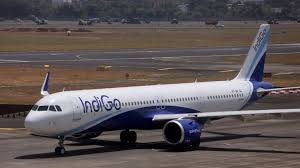 IndiGo fait l'objet d'une enquête concernant la gestion des nouvelles règles relatives aux heures de service en vol">

IndiGo’s Flight Duty Time Rules Under the Microscope
IndiGo is currently facing a thorough examination over its approach to recently introduced Flight Duty Time Limitation (FDTL) regulations. The focus of the investigation is whether the airline prioritized seeking regulatory leniency instead of adequately preparing for the rules’ implementation starting November 1. Questions are also being raised about whether mismanagement in crew duty assignments contributed to flight cancellations and delays that affected thousands of passengers.
The Crux of the Investigation
A government-formed four-member committee has been tasked to review IndiGo’s correspondence and engagements with the Directorate General of Civil Aviation (DGCA) during the critical period leading up to the regulatory shift. Officials are assessing if IndiGo applied for exemptions or delays, particularly concerning limits on night landings by pilots, which are a key aspect of the new FDTL framework. This was at a time when airlines should have been gearing up to fully comply with the updated safety norms.
The probe also targets the timing of IndiGo’s adoption of a necessary Jeppesen crew rostering software update, required by the new duty limitations. Delays in implementing this system upgrade could have compounded operational inefficiencies. The inquiry aims to determine if IndiGo’s push for regulatory relief postponed their internal adjustments, thus contributing to the disruptions experienced in early November.
Operational Challenges and Responses
Pilot rosters, which IndiGo customarily releases monthly in advance, were issued in a staggered and shortened manner for November and December. For example, the November roster was partially released only days before the month began, and the remaining schedule came out mid-month. Following the operational breakdown, IndiGo moved to flexible short-term rosters to optimize flight capacity under the new constraints. This approach may continue until a comprehensive compliance deadline set for February 2026, or until stability is restored.
Finally, IndiGo processed refunds totalizing ₹610 crore and waived fees for those impacted by flight cancellations, restoring about 75% of normal flight operations by early December.
Background of Flight Duty Time Limitations in Aviation
Flight Duty Time Limitation regulations are designed globally to uphold pilot well-being and passenger safety by capping work hours and ensuring sufficient rest periods. Traditionally, these rules have evolved alongside increasing awareness of fatigue’s impact on in-flight performance, with many countries tightening limits on consecutive flight hours and night shift work.
Software tools like Jeppesen’s crew rostering systems emerged to help airlines manage complex personnel schedules and comply with evolving duty time rules, reducing human error and operational risks.
Why FDTL Matters in Aviation
Managing flight duty hours is critical to maintaining crew alertness, reducing accident risks, and safeguarding airline reputation. The recent tightening of rules, including night landing caps, reflects modern findings on circadian rhythms and pilot fatigue. Airlines worldwide continuously balance regulatory compliance with operational efficiency to avoid costly disruptions.
Challenges in Implementing New Regulations
The transition to stricter duty time rules can be a logistical puzzle, requiring coordinated efforts across regulatory bodies, airline management, and flight crews. Delays in software adoption or last-minute requests for exemptions can signal struggles in meeting stated deadlines. The effects ripple down to passengers through flight delays, cancellations, and the need for interim scheduling adjustments.
Potential Implications for the Broader Tourism and Aviation Sectors
The unfolding situation highlights the critical role that alignment between regulatory mandates and airline readiness plays in maintaining smooth air travel operations. Turbulence in domestic flight schedules can impact tourism flows, creating challenges for related industries such as hospitality, transportation, and event planning.
For travelers who often incorporate boating or yachting into extended holiday plans, seamless air travel is especially essential—delays could jeopardize connections to marinas or seaside destinations.
Looking Ahead: Forecast for Regulation Impact
As global aviation safety standards tighten, airlines must adapt quickly to avoid operational shocks. The IndiGo case may prompt airlines and regulators worldwide to revisit frameworks for implementation timelines, enforcement mechanisms, and technology readiness. The learning curve could translate into more robust systems but also periods of adjustment marked by disruptions.
| Key Dates | Event |
|---|---|
| 1er novembre 2023 | Mandatory roll-out of new FDTL norms |
| October 29, 2023 | IndiGo releases half-month pilot rosters for November |
| November 13-14, 2023 | Remaining November roster issued |
| February 10, 2026 | Deadline for full implementation of the FDTL framework |
Conclusion: What This Means for Travelers and the Aviation Industry
IndiGo’s experience underscores the critical importance of proactive compliance with airline safety regulations and the costs of delayed adaptation. While aiming for regulatory relief can seem tempting for operational flexibility, preparation and adherence remain paramount to maintaining schedules, customer trust, and safety.
For those who integrate air travel with boating adventures, such as sailing trips or yacht charters, predictability in flights plays a major role in planning successful itineraries. Smooth connections to coastal resorts and marinas depend heavily on reliable flight operations.
GetBoat.com is an international marketplace for renting sailing boats and yachts, offering options that cater to all preferences and budgets. Keeping an eye on developments affecting aviation and tourism allows travelers to better coordinate their sea and air plans, ensuring both land and water journeys remain enjoyable and stress-free. This story is a reminder of how interconnected transportation sectors are and why smooth operation in air travel is vital to support vibrant yachting destinations and activities.