


 Français
  English (UK)
  Русский
  العربية
  日本語
日本語  한국어
한국어  Magyar
  Türkçe
  Español
  Čeština
  Svenska
  Português
  Ελληνικά
  Suomi
Suomi  Nederlands
  Română
  Italiano
  Polski
  Українська
  Deutsch
  简体中文
简体中文  Slovenčina
 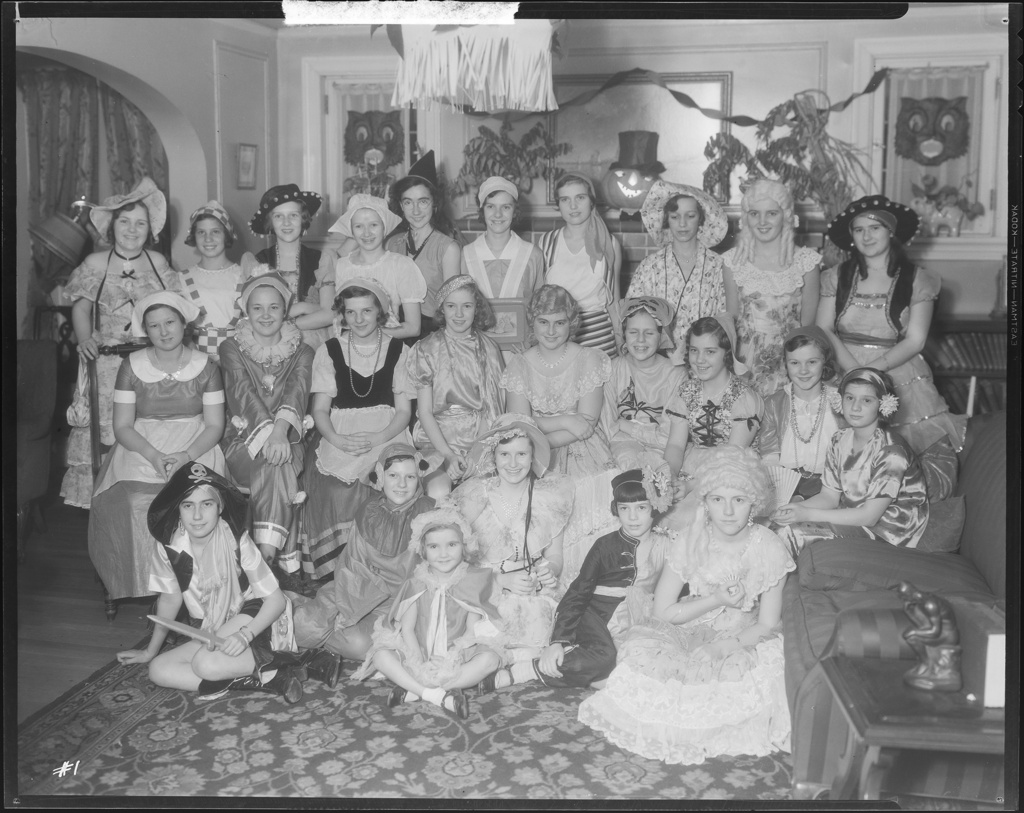 World War II’s Impact on Halloween’s Sweet Traditions">

The Impact of Sugar Rationing on Halloween in World War II
Halloween celebrations as we know them today wouldn’t be complete without the sweet indulgences of candy corn, Snickers bars, or Reese’s Peanut Butter Cups. Yet, during World War II, these sugary delights faced strict limitations that significantly altered the spirit and treats of Halloween. Sugar rationing, imposed to support the war effort, constrained candy availability and forced Americans to rethink their holiday traditions.
In the early 1940s, wartime conditions severed supply chains and redirected resources vital to the military, causing civilians to sacrifice many commodities including sugar. The US government introduced rationing systems, compelling families to cope with less sugar at a time when candy and sweets were an integral part of festivities like Halloween. The military’s increasing demand for sugar—used not just for soldiers’ rations but for manufacturing explosives and synthetic materials—further tightened civilian supplies.
Sugar’s Role in Military and Civilian Life
Sugar was central to sustaining troops, with service members consuming substantially more sugar in their rations than civilians. Despite this, soldiers often looked for extra treats sent from home to brighten their days, motivating companies like St. Louis’ Mavrakos Candy Company to design candy and packaging durable enough for long-distance shipping.
The harsh reality was that sugar was the first food product rationed during the war and the last to be released from rationing post-war. In 1942, Americans were allocated just 8 ounces of sugar per week, roughly 26 pounds annually. By 1945, ration quantities fell to as low as 4.5 ounces weekly—far below today’s average sugar consumption of about 16 ounces per week.
Adjusting Celebrations: The Halloween of the 1940s
Before WWII, the American Halloween tradition itself was still evolving. Trick-or-treating had only recently gained popularity starting in the 1920s and wasn’t widespread until the 1930s. Many Halloween parties featured fresh fruit, homemade treats like doughnuts, caramel apples, and popcorn balls rather than commercially produced candy.
During sugar rationing, recipes for homemade Halloween treats had to be modified. Ingredients like maple syrup, corn syrup, molasses, and fruit replaced refined sugar. For example, a 1939 recipe for popcorn balls called for two cups of sugar, but by 1942, ration-conscious recipes used only one cup of molasses. Ginger cookies and gelatin jack-o’-lanterns also became popular low-sugar alternatives, demonstrating the adaptability of people celebrating the holiday despite shortages.
The Rationing System: How Sugar Consumption Was Controlled
Rationing was not a simple “use less” command; it involved a complex tracking system managed by the War Ration Book which every American received. These books contained stamps that consumers surrendered when purchasing rationed goods, including sugar. The stamps authorized the purchase without monetary value, while prices were paid separately. The number of stamps required for an item fluctuated based on overall availability, adding an extra layer of complexity.
The ration books also kept a detailed record of the owner with personal and physical descriptions to prevent fraud. There were four different books issued throughout the war, each adapting to the changing supply conditions.
Civic Duty and Propaganda
The government used posters and public campaigns to promote rationing and shared sacrifice. Iconic art featured citizens contributing to the war effort by “carrying their own” and “doing with less,” emphasizing that rationing ensured fair shares for everyone, especially troops overseas. These appeals made rationing a collective patriotic act, deeply affecting daily life and celebrations.
A Brief Historical Perspective on Sugar and Rationing
The role of sugar as a valuable commodity dates back long before WWII. Sugar production evolved from the early use of sugar cane and sugar beets to refined modern processing. Historical efforts to develop beet sugar by European scientists in the 18th and 19th centuries were driven often by geopolitical conflicts that interrupted trade.
During major wars, sugar and related commodities often became strategic goods. The 1940s vividly demonstrated how agricultural, industrial, and economic systems intertwine with global events, affecting even the smallest personal celebrations. Rationing policies and production adaptations in sugar and other staples are a testament to national resilience during hardship.
Looking Forward: The Legacy of Wartime Rationing on International Celebrations and Tourism
While rationing ended after World War II, its impact on consumer habits, production techniques, and supply chain management shaped food industries for decades. Sugar’s strategic importance teaches valuable lessons about resource management that are still relevant today in global trade and tourism. Managing supplies carefully remains essential during crises or booming travel seasons alike.
As international tourism continues to grow and celebrate cultures across the globe, reflections on historic events like wartime rationing show how events in one sector can ripple into many others—including hospitality and themed festivities that tourists enjoy worldwide.
Adapting Traditions on the Water: A Note for Sailing and Boating Enthusiasts
For those who charter yachts or rent sailing boats, the spirit of celebration remains vital on the water. Seasonal festivities like Halloween might inspire unique onboard activities, but understanding the historic sacrifices related to food and treats adds depth to these moments. In some marine resorts, local customs or availability of provisions might still reflect past experiences of scarcity or innovation, influencing onboard catering and party planning.
| Year | Weekly Sugar Ration | Notes |
|---|---|---|
| Early 1942 | 8 ounces (1 cup) | Beginning of sugar rationing in the US |
| 1945 | 4.5 ounces | Rationing near war’s end |
| Post-1945 | Rationing lifted | Sugar availability normalized |
List of Alternative Sweeteners Used During Rationing
- Maple syrup
- Corn syrup
- Molasses
- Fruit-based sweeteners
Summary
World War II sugar rationing significantly influenced American Halloween celebrations by limiting the availability of traditional candy treats. This shortage led to adaptations in recipes and the use of alternative sweeteners, exemplifying a broader national sense of sacrifice and resilience. The rationing system itself was a complex, enforced mechanism that ensured fairness amid scarcity, supported by propaganda to unify public efforts. The legacy of rationing extends beyond food to reveal the interconnectedness of industry, military needs, and civilian life.
For those who love to combine their leisure with a taste of history, regions with rich wartime backgrounds often offer unique experiences linked to local customs, festivals, and food traditions, which may reflect these historical stories.
For travelers planning to explore coastal or marine destinations, GetBoat.com provides an unmatched platform for chartering sailing yachts and boats. Whether sailing through a historic gulf or enjoying sunset cruising along clear waters, boat rental offers an adventurous way to dive into both the present and echoes of the past, blending water-based recreation with cultural appreciation.