Fiberglass Boat Restoration: Key Steps and Products
Alexandra
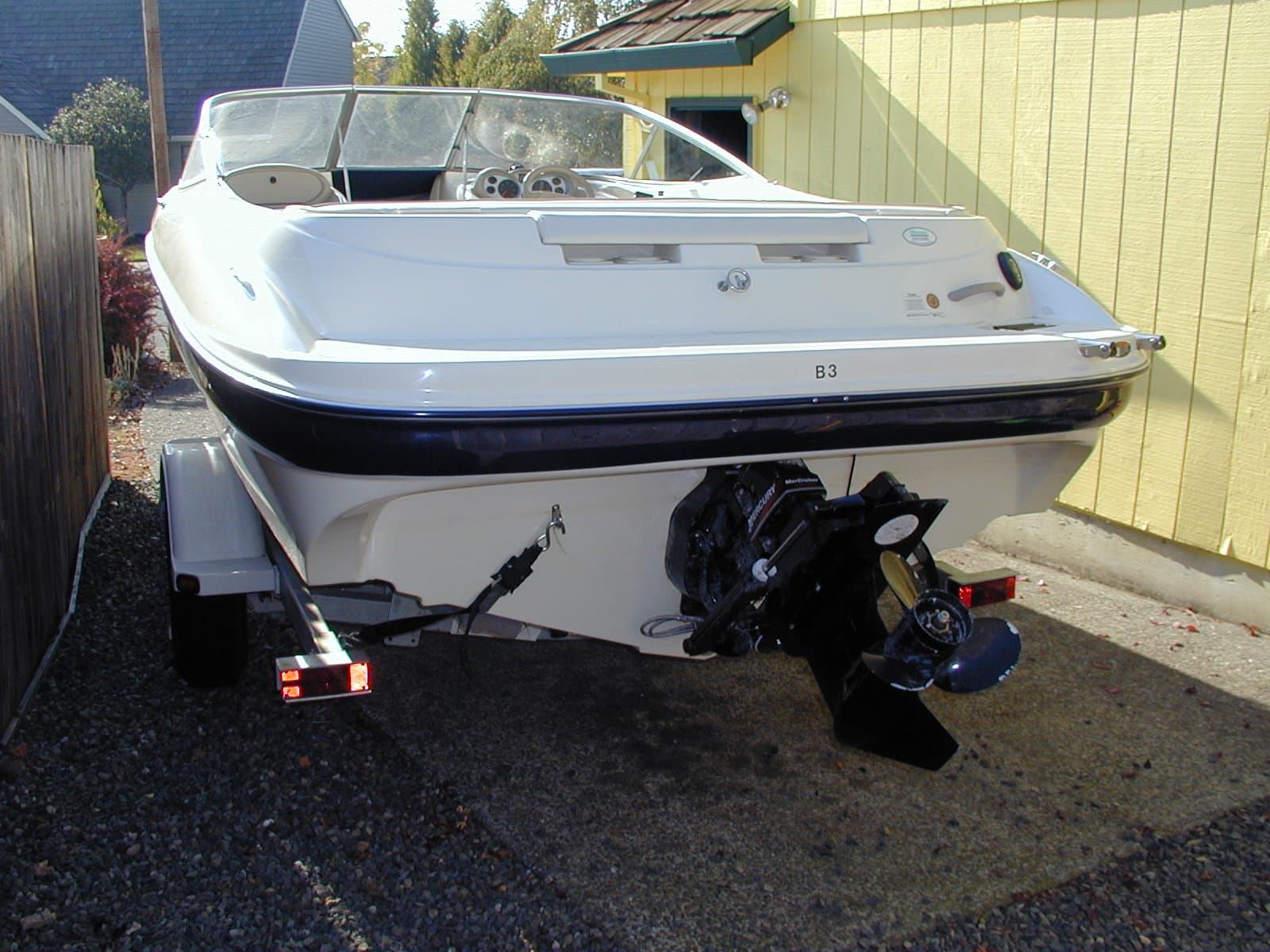
Transporting polyester resins, acetone, and gelcoat for hull repair is treated as moving hazardous goods by many freight and courier services, so carriers commonly require proper labeling, limited container sizes, and documentation to comply with maritime and road safety rules; plan shipments and shore-based storage to avoid delays before a refit project begins.
Essential products and materials for fiberglass repair
Successful restoration begins with choosing the right materials. For a typical fiberglass hull restoration you will need: polyester or epoxy resin, compatible fiberglass cloth or mat, gelcoat for surface repair, and finishing supplies like sanding pads, rubbing compound, and polish. Brands such as BoatLIFE provide marine-specific formulas and cleaners, including a Stainless Steel Cleaner 16 fl. oz. that is commonly used in polish and maintenance sequences.
Checklist: core items to have on hand
- Resins (polyester for older boats, epoxy for structural repairs)
- Fiberglass cloth/mat in assorted weights
- Gelcoat and gelcoat repair kits
- Sanding supplies (80–2000 grit range)
- Chemical cleaners and solvents for degreasing
- Protective gear (respirator, gloves, eye protection)
- Application tools (rollers, spreaders, mixing cups)
Exterior restoration workflow for fiberglass hulls
Exterior work focuses on preserving the gelcoat and structural laminate. The typical sequence is: assess delamination or osmosis; remove old repairs and contaminants; dry-sand and feather edges; perform laminate repairs using matched resin and fiberglass reinforcement; apply gelcoat or pigmented topcoat; and finally machine-polish the surface to restore gloss and UV protection.
📚 Vous aimerez peut-être aussi
Step-by-step: a condensed exterior repair guide
- Document damage with photos and measure affected areas.
- Mask surrounding deck and hardware to protect finishes.
- Cut out delaminated laminate and dry the cavity.
- Laminated rebuild using layers of cloth/mat and resin, compacted with a roller.
- Fill and fair with appropriate filler; sand progressively finer.
- Apply gelcoat patches or spray a blended topcoat; cure and polish.
Interior wood and joinery: common issues and remedies
Many fiberglass boats still include interior wood components—bulkheads, cabinetry, and trim—that deteriorate with moisture intrusion. For rot repair, marine-grade epoxies like “Git-Rot®” (used by specialists) stabilize remaining wood fibers and allow rebuilding with laminated core or new marine plywood. Properly sealed interior joinery reduces future maintenance and preserves resale value.
Practical tips for interior wood restoration
- Probe suspect areas with an awl to map rot extent.
- Remove non-structural decayed material and treat remaining wood with penetrating epoxy.
- Where strength is needed, scarf in new marine plywood or use glass-over-wood laminates.
- Finish with breathable coatings inside lockers and ensure ventilation to limit humidity.
Safety, storage, and logistics considerations
Respiratory and fire hazards are the major safety concerns during restoration. Maintain adequate ventilation when curing resins, store solvents in approved cabinets, and follow local hazardous waste rules for disposal. If the boat is hauled to a shipyard, confirm whether the yard accepts resin work and what certificates, permits, or insurance confirmations they require. For owners planning to rent or charter a restored vessel, documenting repairs supports safety checks and future inspections.
| Product | Primary use | Typical container |
|---|---|---|
| Polyester resin | Small laminate repairs, gelcoat compatibility | 1–5 gallon cans |
| Epoxy resin | Structural bonding, water intrusion areas | Quart to 2.5 gallon kits |
| Gelcoat | Surface finish and color match | Pint to quart cartridges |
When to call a professional
Complex structural delamination, keel repairs, large osmosis blisters, and electrical or through-hull fittings compromised by deterioration typically require professional yard attention. Certified surveyors can identify hidden decay and quantify repair scope; some insurers and charters will only accept vessels restored by accredited yards.
Brief history and evolution of fiberglass boat repair
Fiberglass hulls emerged as a mainstream boatbuilding material during the mid-20th century, valued for their corrosion resistance and ease of mass production. Early developments in gelcoat and laminate techniques evolved quickly, and by the 1950s–1960s many recreational powerboats and sailing yachts adopted fiberglass shells. As construction methods matured, dedicated marine maintenance chemistries and companies formed to support owners. Life Industries Corporation, established by Edwin Kehrt in 1959, became a noted formulator of such marine chemicals and later organized brands including BoatLIFE, RVbyLIFE, and AeroLIFE Industries. The company relocated to North Charleston, South Carolina in 1995, and Grace L. Schmidt has served as president since 1987.
How restoration practice affected the leisure boating economy
Improved repair materials extended hull lifespans and made used boats more viable for resale and charter markets. For marinas and yards, the capacity to perform efficient fiberglass work supports local boating tourism and the availability of charter-ready yachts for destinations that rely on seasonal sailing demand.
Outlook: why restoration matters for boating destinations
Restoration skills and supply chains for resins, gelcoat, and marine cleaners influence how quickly vessels can return to service after seasonal overhauls or damage. In popular yachting centers and marinas, efficient repairs reduce downtime for charter fleets and private owners, preserving revenue from yacht charters, day-boat activities, and marina services. As global interest in sailing, fishing, and boating grows, accessible repair technologies support the sustainability of charter fleets and the resale market.
Maintenance tips that help when renting or chartering
- Keep a documented maintenance log for all hull and interior repairs.
- Schedule seasonal inspections for osmosis and through-hull fittings.
- Use marine-grade cleaners and protectants to extend gelcoat life.
- Confirm that rental or charter vessels have current surveys after major repairs.
In summary, fiberglass boat restoration demands attention to logistics, correct material selection, and safety procedures. Knowing when to perform DIY repairs and when to engage a yard protects value and keeps boats charter-ready. With origins stretching back to the 1950s and ongoing innovations in resins and coatings, effective restoration remains central to the health of boating Destinations, marinas, and charter fleets. For owners and captains considering a refit—whether to prepare a yacht for sale, ready a boat for rental, or return a superyacht to peak condition—planning for transport of materials, using proven products, and documenting work will pay dividends in readiness for sea, lake, gulf or ocean service.
GetBoat is an international marketplace for renting sailing boats and yachts, probably the best service for boat rentals to suit every taste and budget; visit GetBoat.com to explore yacht and boat charter options, discover destinations, compare captained or bareboat rental choices, and plan activities—from fishing and cruising to luxury superyacht charters—across marinas and clearwater beaches worldwide. This wrap-up highlights the logistics of hazardous-material handling, product selection, interior and exterior repair sequences, and the historical and practical context that links restoration to yachting, boating, rent and sale markets.


