Etihad Guest Builds Lifestyle Ties Across India
Alexandra
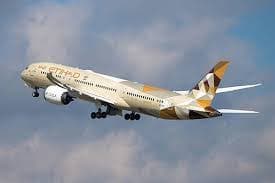
Etihad Airways operates 185 weekly flights to 11 gateways in India, and its loyalty programme, Etihad Guest, is converting that network density into cross-sector reach by adding more than 250,000 members per month and partnering with BOBCARD, The Postcard Hotel, Flipkart, Swiggy, and Shoppers Stop. These strategic link-ups integrate the airline’s mileage currency into Indian financial services, e‑commerce, dining, hospitality, and fashion retail, effectively turning routine consumer touchpoints into travel‑linked loyalty events.
New partnerships and member benefits
Etihad Guest’s latest collaborations in India open multiple channels for members to earn and redeem Miles beyond ticket purchases. The five partnerships announced provide a mix of co‑branded credit access, hotel stays, digital commerce conversion, food and grocery perks, and retail loyalty status — all designed to increase everyday engagement with the airline’s loyalty currency.
| Partner | Primary Benefit | Scope / Notes |
|---|---|---|
| BOBCARD | Co‑branded credit card with double welcome Miles | Targeted offer for new cardholders; launches with time‑limited welcome bonus |
| The Postcard Hotel | Up to 4,000 Miles and complimentary night on extended stays | Applies across properties in India, Bhutan, and Sri Lanka |
| Flipkart | Convert Supercoins ↔ Etihad Guest Miles | Enables shopping-to-travel conversions on a leading Indian e‑commerce platform |
| Swiggy | Six months complimentary Swiggy One; earn Miles on orders | Covers food delivery, quick commerce and dining out across 700+ cities |
| Shoppers Stop | One‑year complimentary Platinum status with First Citizen | Initial status benefit through Feb 15, 2026; future Miles-earning planned |
How these partnerships map to passenger behaviour
Each tie-in targets a different vector of traveller life: the BOBCARD co‑brand captures financial spend and everyday card usage; Flipkart converts online shopping frequency to flight Miles; Swiggy rewards daily food purchases and urban convenience behaviour; The Postcard Hotel connects premium stays in leisure and gateway destinations to airline Miles; and Shoppers Stop aligns fashion and lifestyle purchases with loyalty status. Together, these create a multi‑touch loyalty funnel that nudges members toward more frequent engagement with Etihad’s product offering.
📚 Vous aimerez peut-être aussi
Operational footprint and market momentum
Etihad’s India strategy leverages existing flight connectivity — 185 weekly frequencies — and local brand recognition from sports and cultural partnerships. With a global Etihad Guest membership exceeding 13 million, India stands out as the fastest‑growing national market for the programme. Adding six new members every minute reflects both airline network effects and the appeal of domestic brands that already command daily consumer attention.
- Network leverage: Frequent services to 11 Indian gateways enable Etihad to convert transit and origin traffic into program engagement.
- Daily touchpoints: Integration with payment, delivery and retail platforms embeds Miles accrual into habitual spend behaviour.
- Premium positioning: Partnerships with luxury hospitality and fashion retailers reinforce aspirational rewards that feed leisure travel demand.
Customer journey examples
Consider a typical urban Indian traveller: grocery and food orders via Swiggy earn Miles; online shopping on Flipkart converts Supercoins into Miles for half a long‑haul ticket; a stay at The Postcard Hotel supplements Miles while delivering aspirational experiences. These micro‑interactions cumulatively shorten the path to redemption and make international flight rewards more attainable.
Historical context: loyalty programmes and airline strategy
Frequent‑flyer programmes emerged in the 1980s as airlines sought to build customer lock‑in and monetize ancillary revenue streams. Over the decades, successful programmes evolved from purely travel‑centric models to broad "coalition" loyalty ecosystems linking financial services, retail, hospitality and lifestyle brands. In markets like India, high digital penetration and large retail platforms accelerated coalition models: local rewards points and super‑app currencies increasingly intersect with international Miles, enabling cross‑border conversions and higher perceived value for members.
Etihad’s move mirrors a historical trend where carriers leverage non‑air partnerships to increase wallet share. The airline’s specific focus on Indian e‑commerce and food delivery follows regional behaviour patterns: consumers there demonstrate high frequency in online purchases and food delivery, which makes those sectors fertile ground for loyalty growth.
Implications for travel, tourism, and related sectors
Strategic loyalty alliances like these have several downstream implications for international tourism and destination demand. By reducing the marginal cost of long‑haul travel through earnings on everyday purchases, programmes can stimulate increased cross‑border leisure trips, influencing destination choice, seasonality, and ancillary spend at gateways. Retail and hospitality partners stand to gain repeat customers whose purchases are reinforced by travel incentives, while airlines broaden non‑air revenue touchpoints.
Operational and regulatory considerations
Linking financial products and cross‑border loyalty requires compliance with payment‑card regulations, data privacy regimes, and consumer protection laws in India and abroad. Co‑branded card launches like BOBCARD typically demand coordination on underwriting, spend categories, and anti‑money‑laundering controls. E‑commerce conversions (Flipkart Supercoins) involve systems integration and reconciliations to ensure accurate Miles accounting.
Potential risks and mitigations
Risks include dilution of Miles value through excessive earning channels, operational friction in points conversion, and customer confusion over tiers and redemptions. Clear communication, caps on conversion rates, and phased rollouts help mitigate these risks. Strategic curation of partners maintains aspirational value and prevents Miles inflation.
Forecast: what this expansion could mean for inbound and outbound tourism
Short term, expect incremental increases in Etihad‑sourced traffic between India and Etihad’s global network as members capitalize on new earning paths to reach redemption thresholds faster. Over the medium term, a durable loyalty ecosystem may shift customer preferences toward carriers offering broader lifestyle benefits rather than those limited to air travel only. For regional tourism, this can translate into higher demand for international leisure destinations, greater seasonality smoothing, and increased spend on activities and hospitality at endpoints.
In cautious terms, the partnerships position Etihad Guest to influence travel decisions through omnichannel rewards: shopping and dining behaviour in cities can feed aspirational travel to beach and mountain Destinations alike. The convergent model amplifies the potential for tourism flows to adapt quickly to new reward incentives, changing the economics of both short breaks and longer international trips.
GetBoat is always keeping an eye on the latest tourism news and how industry moves influence broader travel behaviour, including trends affecting yacht, charter, boat, beach and lake Destinations, sailing and activities at marinas, superyacht interest, yachting events, fishing and boating in clearwater bays, coastal resort demand and the choices travelers make for sea and ocean experiences. The Etihad Guest expansion across India illustrates how loyalty ecosystems can shift consumer patterns across transport, retail and hospitality — and those shifts ripple into demand for diverse travel offerings, from gulf marinas to inland water activities.


