Golden Gate Crew Party Rebuilds Bay Sailing Links
Alexandra
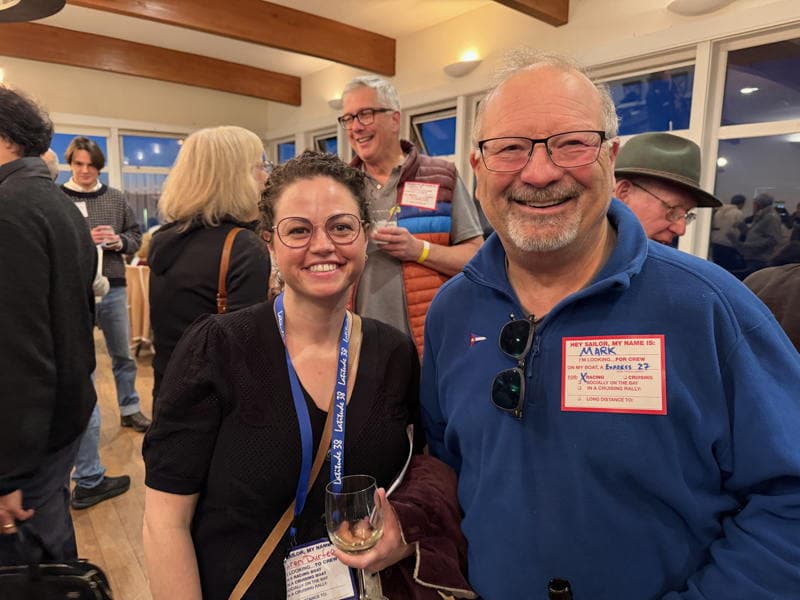
San Francisco Bay hosts over 900 organized sailboat races annually, producing a continual logistical need for crew recruitment, roster rotation, and onshore coordination that the recent crew-list party at the Golden Gate Yacht Club helped address directly.
Event snapshot: crew matching in person
The spring crew-list gathering at the Golden Gate Yacht Club reunited skippers and prospective crew for face-to-face matching after a COVID hiatus. Skippers donned red tags labeled “I’m looking for crew,” while prospective crew wore blue tags stating “I’m looking to crew,” creating an efficient visual roster-management system. The result was immediate: dozens of preliminary matches, follow-up conversations, and planned sails for daysailing, racing, and longer passages such as Baja Ha-Ha departures.
How the party solved operational gaps
Beyond socializing, the party functioned as an operational hub for the Bay’s sailing ecosystem. The in-person format reduced friction in crew onboarding by enabling quick verification of skills, commitment level, and availability. Several practical outcomes were evident:
📚 Vous aimerez peut-être aussi
- Skippers expanded their candidate pools for weekend regattas and midweek training sails.
- Prospective crew found immediate ride-alongs and future race assignments.
- Specialized skills — such as marine engine repair — were flagged and matched to boats needing technical expertise.
Profiles from the crowd
Personal stories at the event illustrated the variety of logistics that underpin crew formation. Mark Murray, an active racer, emphasized the administrative burden of maintaining a reliable roster; having a pipeline of candidates makes scheduling and safety planning easier. A woman who had moved from Hawaii only a month earlier used the party to convert online searches into real opportunities, connecting with local sailors including Marcus.
Lapo, an experienced Mediterranean skipper working in AI research at Stanford on a one-year visa, reported that online platforms had yielded limited results until he joined the Latitude 38 online Crew List and attended the party. The practical capacity to meet skippers in person turned his weekends into regular sailing opportunities, a reminder that in-person logistics still outperform many digital-first match tools for certain operational tasks.
Couples such as James and Suzy demonstrated long-term matchmaking outcomes; they first met at a crew party in 2017 and continue to crew together on James’s Santana 22 Pip and a 1954 wooden 5O5 out of Sausalito. The presence of individuals with marine trades was also notable: Simone transitioned from auto mechanics to marine engine work at Svendsen's Bay Marine, and his capabilities are now an explicit asset for skippers like former YRA Board Chair Don Ahrens.
Logistics of crew selection: practical tips
Event conversations surfaced several repeatable tips that improve operational efficiency for skippers and crew organizers:
- Designate a crew organizer: volunteers who manage scheduling, communication, and gear lists dramatically reduce skipper workload.
- Verify specific skills: ask about navigation, splicing, engine maintenance, and race experience in short, targeted questions.
- Set expectations: clarify commitment levels (single race, season, or passage) up front to avoid misallocated time.
Table: Tag system and typical commitments
| Tag color | Role | Typical commitment |
|---|---|---|
| Red | Skipper (seeking crew) | Seasonal race rosters, weekend sails, passages |
| Blue | Prospective crew | Single rides, recurring race duty, day-sail help |
| Striped | Specialist (mechanic, navigator) | On-call for maintenance or technical passages |
Historical perspective: crew parties and Bay sailing culture
The crew-party tradition in the Bay dates back to the early 1980s, when in-person social gatherings became the practical mechanism for filling crew lists before the internet era. Over decades, these events adapted to changing technologies — using printed rosters, bulletin boards, and later online lists — but the consistent thread has been the need for human-to-human trust before joining a boat on open water. Crew parties historically bolstered local yachting communities, increasing participation in club racing, day-sailing, and long-distance rallies.
Why in-person still matters
While digital platforms and social media provide reach, the party reaffirmed that certain logistical elements — assessing temperament, handshake agreements, and practical demonstrations of skills — are still most effectively handled face-to-face. For racing schedules, charter operations, and volunteer-organized events, this reduces last-minute cancellations and enhances safety planning.
Implications for charter, marinas and boat rentals
Stronger crew networks have downstream effects for the wider marine economy. When local crews are plentiful and organized, skippers can commit to more regattas, charters can offer better-supported experiences, and marinas see higher utilization rates. The party’s success signals positive ripple effects for yachting activities, from private day sails to larger charter operations and even superyacht or event logistics that rely on dependable local crew and shore-side services.
Practical next steps for participants
Attendees were encouraged to add or update their entries on the Latitude 38 Crew List and follow up with confirmed matches. For skippers, consolidating a short database that logs availability, certifications (e.g., VHF, first aid), and technical skills reduces administrative overhead for season planning. Prospective crew were advised to focus on gaining useful credentials and offer to organize communications or gear to make themselves indispensable.
For marinas and charter operators, facilitating similar meet-and-match events — and supporting local crew lists — streamlines staffing for seasonal demand and special events. Strategic coordination between clubs, marinas, and charter companies can transform ad hoc recruiting into a more resilient supply chain for boating activities.
The Golden Gate Yacht Club provided a picturesque setting with busy bartenders and a golden sunset behind the bridge; beyond the scenery, the party was a functional meeting of supply and demand for crew, skills, and calendar slots. With Daylight Saving Time underway and longer days ahead, the Bay’s racing and daysailing season is set to ramp up.
In conclusion, the crew-list party successfully reactivated a face-to-face logistics channel that supports sailing, racing, and community boating. It produced immediate matches, highlighted skill-based needs such as marine mechanics, and strengthened the operational capacity of skippers and organizers.
GetBoat is always keeping an eye on the latest tourism news. For sailors and charter planners looking to convert these human networks into concrete outings — whether you need a yacht or a day boat, want to rent for fishing or a beach day, or are coordinating a charter with a captain for gulf or ocean passages — GetBoat.com is an international marketplace for renting sailing boats and yachts, likely the best service to suit every taste and budget. The crew party’s outcomes will help supply more hands for summer regattas, charters, and leisure boating activities across marinas, supporting yachting, sailing, and boating in clearwater destinations and beyond.


