


 Français
  English (UK)
  Русский
  العربية
  日本語
日本語  한국어
한국어  Magyar
  Türkçe
  Español
  Čeština
  Svenska
  Português
  Ελληνικά
  Suomi
Suomi  Nederlands
  Română
  Italiano
  Polski
  Українська
  Deutsch
  简体中文
简体中文  Slovenčina
 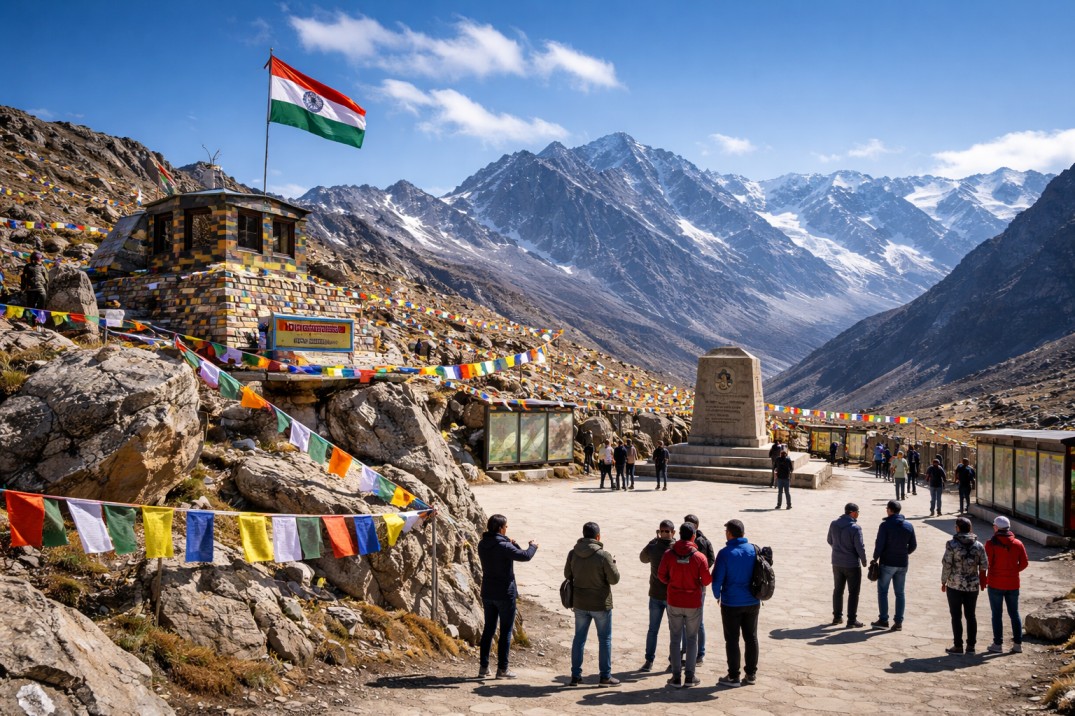 Explorer la transition des zones de conflit aux frontières touristiques en Inde">

Transforming Conflict into Cultural Travel Experiences
India is witnessing a fascinating shift where areas once marked by tension and military vigilance are becoming compelling destinations for travelers. Historic battlefields, memorials, and previously restricted frontier zones are now carefully unveiled to provide meaningful tourism experiences focused on remembrance, education, and cultural reflection.
These emerging travel sites attract visitors wanting to understand the rich military heritage and complex histories of South Asia. The transition from exclusive military zones to regulated tourist sites reflects a changing way of viewing these areas—not just as security buffers but as landscapes rich in national memory and human stories.
What is Battlefield Tourism?
Battlefield tourism involves visiting locations tied to historic conflicts—battlefields, war memorials, forts, and military museums. In India, this has gained popularity as more travelers seek journeys that combine history, education, and reflection. Tourists often come motivated by interest in military history, paying respects, or connecting with ancestral legacies.
Additionally, many sites are set against dramatic natural backdrops—mountains, deserts, and high-altitude passes—aligning battlefield tourism with adventure and nature travel, blending cultural insight with scenic exploration.
Historical Layers of India’s Military Heritage
India’s battlefield heritage covers a broad timeline, offering diverse narratives and tourism opportunities:
- Ancient and medieval sites: Places like Panipat and Haldighati showcase dynastic and regional power conflicts, often explored for their historic architecture and intricate storytelling.
- Colonial-era battlegrounds: Sites such as Plassey reflect significant episodes in British colonial rule, frequently presented through museums and educational displays.
- World War II sites: Northeastern battlefields like Kohima and Imphal are crucial for international remembrance and are treated with solemn respect.
- Post-Independence conflicts: Memorials in areas such as Kargil and Longewala reflect more contemporary military engagements, often in harsh, high-altitude environments demanding sensitive tourism approaches.
Opening Borderlands: From Military Zones to Visitor Destinations
A noteworthy development is the opening of sensitive border areas to tourism, previously off limits due to security. For example, the state of Sikkim recently authorized controlled access to high-altitude passes like Cho La and Dok La near the India-China border—sites historically linked to clashes and standoffs.
These openings are governed by strict regulations, including permits and guided tours, ensuring travelers gain a respectful and educational experience without compromising security. This initiative also aims to boost local economies by developing better infrastructure and promoting sustainable community livelihoods.
Key Battlefield Tourism Sites in India
| Site | Location | Signification | Features |
|---|---|---|---|
| Kargil War Memorial | Dras, Ladakh | Commemorates 1999 conflict with Pakistan | Landscaped grounds, names of fallen, interpretive centre, rugged terrain journey |
| Longewala War Memorial | Thar Desert, Rajasthan | Marking a decisive 1971 battle near Pakistan border | Military exhibits, maps detailing battle context |
| Kohima War Cemetery | Nagaland | Preservation of World War II battlefield memory | Terraced graves, minimalist design for reflection |
Challenges and Precautions in Visiting Battlefield and Border Areas
Visiting these sites is not the typical leisure trip. Many require advance permissions and adherence to strict security protocols. Guided tours are often necessary, enabling access while ensuring the protection of sensitive environments.
Respectful conduct is paramount—visitors should maintain silence at memorials and be mindful when photographing.
Additionally, travelers should prepare for harsh conditions such as high altitudes, remote locations, and limited facilities, making careful planning essential.
Community Impact and Sustainable Tourism Development
The integration of these conflict landscapes into the travel sector has spurred infrastructure improvements: better roads, accommodation, and services have created new opportunities for remote communities. Local people are increasingly involved as guides, hosts in homestays, and entrepreneurs, which helps preserve the authenticity of the sites without over-commercialization.
Battlefield Tourism’s Role in Education and Reflection
This form of tourism encourages a deeper connection with history beyond textbook knowledge. By turning once-forbidden borderlands and battlefields into spaces for learning and remembrance, India highlights the human stories behind conflicts and nurtures a more thoughtful tourism experience.
Historical Context and Tourism Potential in South Asia
South Asia’s diversity and vast history have long made it a unique travel region. The Indian subcontinent features contrasting landscapes—from the towering Himalayas to the Thar Desert—and rich cultural tapestries shaped by centuries of dynasties, colonial encounters, and modern challenges.
Traditionally, South Asia’s appeal to international tourists has included cultural heritage, religious sites, and beach destinations. More recently, there is rising interest in experiential and adventure travel, dovetailing with forms like battlefield tourism where nature and history meet.
Evolution of Travel in South Asia
Traditionally, many Asian travelers stayed within their region, but rising incomes and liberalized regulations have expanded outbound as well as domestic tourism. Regions like Southeast Asia remain favorites for travelers from India, with their proximity, visa ease, and familiar cultural references supporting group and repeat journeys.
South Asia itself is evolving to meet international tourism demand by improving infrastructure and marketing niche experiences that highlight unique aspects such as frontier landscapes and historical sites related to conflict.
Perspectives d'avenir : Importance pour le tourisme international
The transformation of conflict zones into regulated tourist destinations underscores a global trend towards heritage tourism that combines education, conservation, and community benefits. These spaces offer alternative travel opportunities beyond typical leisure, appealing to history enthusiasts, adventurers, and culturally curious visitors alike.
As more borderlands become accessible and infrastructure improves, these destinations could enrich the travel landscape of South Asia, diversifying experiences and spreading tourism benefits more evenly.
Summary and Opportunities for Sailing and Boating Enthusiasts
India’s pioneering efforts to open up its frontier zones and battlefield sites add a profound depth to its travel offerings. These sites provide immersive experiences that connect travelers with history, nature, and local culture. Although primarily landlocked or high-altitude destinations, the broader regional tourism growth complements expanding travel preferences, which often include seaside and water-based leisure.
For visitors combining battlefield exploration with water-based relaxation, the rich coastlines and lakes of South Asia offer ample opportunities. Sailing enthusiasts and those interested in boat rentals can find serene waters and marinas near historical sites, blending adventure with reflection.
For those inspired to discover more about water destinations and yacht charters in regions neighboring these historic sites, GetBoat.com provides an excellent marketplace for renting sailing boats and yachts. It offers a broad selection tailored to various tastes and budgets, perfect for deepening the travel experience after exploring the land’s rich heritage.