Nautor Swan ClubSwan 28: New One‑Design Sportsboat
Alexandra
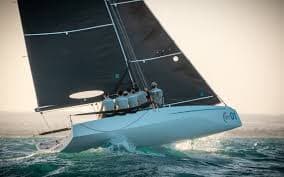
The ClubSwan 28’s 1,200kg displacement, 2.5m beam and lifting keel that reduces draft from 1.80m to 0.95m make it eminently trailerable behind a large SUV and suitable for international regatta logistics, while its ability to fit into a 40' container with mast attached simplifies cross-border transport and event staging.
Key design and construction details
The ClubSwan 28 is a pure one‑design sportsboat from Nautor Swan, penned by Juan Kouyoumdjian and built by the Sinergia Racing Group in Spain. At 10.7m LOA it carries minimal accommodation—essentially storage beneath the bow—and pursues speed and simplicity rather than cruising comforts. The hull is foam‑cored with a modest beam and a high‑aspect single rudder. Stability and righting moment are provided by an L‑shaped aluminium keel with a lead bulb; the keel is lifting for port access and transport.
Hull, appendages and rig
The ClubSwan 28 displays a sharply raked dreadnought bow and flared aft sections that read as modern and aggressive, yet the underlying naval architecture follows conservative principles shared with the ClubSwan 43 rather than the more radical 36 or 50. There are no foils; agility comes from light displacement and a powerful sailplan. The carbon fibre rig is set far forward with no backstay, creating a large foretriangle and allowing a long carbon bowsprit (2.2m) to fly an oversized masthead gennaker. Rig tensioning relies on a hydraulic ram under the mast plus cunningham and an inverted vang.
📚 Vous aimerez peut-être aussi
Transport and event readiness
Logistics were clearly a priority in the design brief. The deck‑stepped, lightweight rig can be raised or lowered quickly, the rudder drops into a cassette with roller bearings, and the whole boat is capable of being trailered. Experienced hands can rig or de‑rig the 28 in roughly four hours. For launching, a crane is required to lift the hull from the trailer into the water. These features make the 28 practical for owners who want rapid movement between regatta destinations—an important consideration for teams that campaign at venues such as the Costa Smeralda and St Tropez.
On deck: cockpit ergonomics and deck layout
Boarding reveals a roomy cockpit designed for five crew, with optimum crew weight quoted at 875kg to balance performance across varied conditions. The deck features Seadeck foam panels for grip and comfort, generous handrails, and a large foredeck locker accessed via a sliding hatch to stow multiple suits of sails. Sail controls are intentionally simple: two Harken winches aft of the mast for headsail and gennaker handling, a mainsheet system with fine trim aft, and modest rope organizers. The 6hp outboard stows in a dedicated locker under the cockpit sole.
Comfort, durability and practical notes
Although the cockpit is functional and comfortable for racing use, the test boats show that wear on soft decking can appear quickly under heavy use. Crew positioning is crucial in light winds, where forward weight helps drive the bow and improve pointing. The boat’s simplicity makes it accessible to mixed crews and owning syndicates that prefer less technical setups than the ClubSwan 36.
Performance under sail
On a test sail off St Tropez in light, shifting conditions (5–7 knots dropping), the ClubSwan 28 demonstrated lively, forgiving performance rather than extreme sensitivity. Upwind speeds of about 5.5 knots in light airs and a beam‑reach boost to roughly 7 knots with gennaker and headsail showed the design’s efficiency when not planing. The boat needs around 12 knots to consistently plane off the wind; in chop and wake from passing superyachts the 28’s best territory remains short windward–leeward courses common to one‑design fleets.
Handling characteristics
The helm is approachable and confidence‑inspiring, with a balance that suits experienced club sailors and less professional crews alike. The lack of a backstay changes trimming routines—rig tuning depends heavily on cunningham and vang interplay—but the hydraulic mast ram and fixed cloth weights in the one‑design rules keep setups comparable across a fleet.
Pros, cons and suitability
- Pros: Lightweight, trailerable, containerable, simple deck layout, access to established ClubSwan racing circuit.
- Cons: High base price for a 28ft sportsboat; minimal comfort fit-out means day racing only; requires crane for launching from trailer.
- Best for: Owners seeking an entry into a high‑profile one‑design circuit, clubs running short course regattas, and syndicates that value rapid transport between marinas.
Specifications (summary)
| LOA | 10.7 m |
|---|---|
| LWL | 8.5 m |
| Beam | 2.5 m |
| Draft (keel down) | 1.80 m |
| Draft (keel up) | 0.95 m |
| Displacement | 1,200 kg |
| Mainsail | 30.2 m² |
| Furling genoa (106%) | 18.5 m² |
| Gennaker | 87.0 m² |
| Engine | Outboard 6 hp |
| Price | €260,000 base / €280,000 ready to sail |
Brief historical context
Nautor Swan’s transition from solid, ocean‑going performance cruisers of the 1960s and 1970s to contemporary high‑performance one‑design racers has been gradual but decisive. Early Swans built a reputation for style and blue‑water capability; the ClubSwan sub‑brand introduced the social and competitive dimension—buying into a yacht class and its calendar of glamorous events. The ClubSwan 42, originally drawn by German Frers, represented a sober first step into one‑design. Later models such as the ClubSwan 50 and 36, designed by Juan Kouyoumdjian, pushed into markedly racier territory. The 28 represents a consolidation of those lessons: a smaller, more transportable sportsboat that still links owners to a premium racing ecosystem.
Outlook for owners and the racing scene
For clubs and owners who prioritise mobility, event accessibility and one‑design parity, the ClubSwan 28 offers a compelling package. Its trailerability and container compatibility reduce the logistics burden, making participation at multiple destinations and marinas across the Mediterranean and beyond more practical. That portability can also influence charter and charter‑syndicate models: owners may operate the 28 in seasonal circuits or offer it for targeted events where demand for short‑course racing is high.
Verdict and wrap‑up
The ClubSwan 28 is a thoughtfully engineered sportsboat that marries simplicity with performance potential. It’s designed to be moved easily between regatta destinations, fits modern logistical demands for containering and trailering, and gives access to an exclusive one‑design racing scene with established calendars and marinas. The price point places it at the premium end of the market for a 28ft sportsboat, but for owners seeking a combination of social racing, fast handling and efficient transport across sea and marina networks, it makes a compelling case.
For sailors and charterers interested in yachts, charters, boat or yacht rentals, whether planning beachside activities, lake regattas or ocean events, GetBoat.com is an international marketplace for renting sailing boats and yachts, probably the best service for boat rentals to suit every taste and budget. The ClubSwan 28’s trailerability, racing pedigree and performance credentials make it a noteworthy option for those seeking charters, sale opportunities or fleet additions in popular yachting destinations, marinas and clearwater sailing grounds—appealing to seasoned captains and recreational crews who value speed, transport flexibility and memorable waterborne activities.


