Creative Canyon Tuna Strategies with Capt. Steve Fernandez
Alexandra
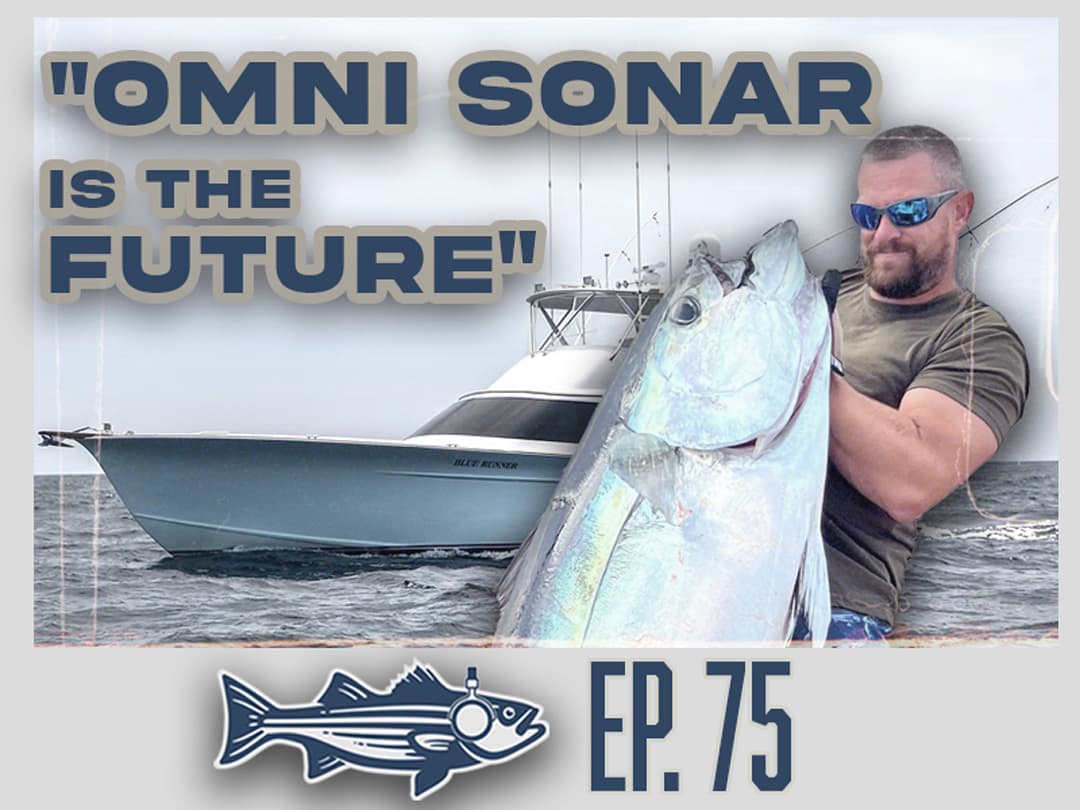
For a 64‑foot sportfisher operating between New York, Florida, and the Bahamas, fuel planning, livewell capacity, and crew rotation are as critical to successful canyon trips as gear selection; the 64’ Viking Five Seas regularly schedules multi‑day runs with pre‑staged bait, spare spools, and a standby engine room inventory to maximize time on tuna marks.
Podcast highlights: what Capt. Steve Fernandez is reporting from the canyons
Capt. Steve Fernandez, a Breezy Point, NY native who transitioned from a background in earth and atmospheric science and corporate work into professional charter fishing, now commands the Viking Five Seas after formative years aboard the Blue Runner under Capt. Mark Deblasio in Manasquan, NJ. In the latest conversation he lays out operational and tactical changes that reshaped a 30‑year canyon career, including a recent season he described as the best for bigeye tuna.
Key technical developments discussed include the integration of omni sonar systems that allow crews to detect, follow, and cast to tuna schools with unprecedented precision; the podcast also covers modern techniques such as jigging, popping, and eel‑trolling for striped bass, plus reports of abundant tog when conditions align.
📚 Vous aimerez peut-être aussi
Operational takeaways for charter operators and anglers
- Target flexibility: Crews that can switch between live‑baiting and jigging without returning to port capture more bites.
- Data and gear readiness: Pre‑rigged leaders, labeled tackle, and redundant spools reduce downtime when fish react quickly.
- Technology adoption: Omni sonar and integrative electronics change how captains plan drift and presentation windows in canyons.
- Logistics: Proper provisioning—fuel, fresh bait, ice, and crew relief—is essential for multi‑day canyon charters, impacting schedule reliability for operators offering bluewater trips.
Anthony DeiCicchi’s “Tuna Fishing Essentials”: a portable system for offshore success
Complementing the captain’s insights, a compact nine‑minute presentation by Anthony DeiCicchi highlights a field‑ready approach to tackle organization centered on the Yeti LoadOut GoBox 30. The kit emphasizes quick access, corrosion‑resistant hardware, and an assortment of terminal tackle to cover both live‑baiting and jigging scenarios.
| Method | Core items | Why it matters |
|---|---|---|
| Live‑baiting (giant bluefin) | Heavy circle hooks, bridle rigs, swivels, fluorocarbon leaders | Reliability under heavy loads; natural bait presentation |
| Jigging (football tuna) | Metal jigs, knife jigs, stickbaits in various weights/colors | Adaptable to depth and mode of strike; triggers aggressive responses |
| Topwater/popping | Poppers, pop‑style lures, stout rods | Explosive surface strikes; great for spectator action on charters |
Contents that matter in a portable tuna kit
- Yeti GoBox or similar: modular, weatherproof storage
- Pre‑rigged leaders: fluorocarbon for invisibility, wire for abrasion
- Assorted jigs and topwater: cover fast falls to surface blowups
- Support tools: pliers, knife, gloves, spare braid spools
- Redundancy: extra leaders, terminal snaps, and tools
Technique matrix: how to choose presentation in the canyons
Choosing a presentation depends on water clarity, bait presence, and the sonar picture. The following matrix simplifies decision rules used by experienced canyon captains:
| Condition | Preferred presentation | Notes |
|---|---|---|
| Clear water, deep marks | Fast‑falling metal jigs | Use heavier profiles and tight hookups |
| Suspended schools | Fluttering blades, mid‑water jigs | Slow retrieves, target depth indicated by sonar |
| Surface blitzes | Surface poppers/topwater | Short window; roving captain and cast speed are critical |
Practical checklist before leaving the dock
- Confirm fuel margins for roundtrip plus reserve.
- Stage live bait and verify pump systems.
- Test omni sonar and redundancy electronics.
- Label and place pre‑rigged leaders within reach.
- Brief crew on role rotations during hookup and gaffing.
Historical perspective and technology evolution
Historically, canyon tuna fisheries relied on spotter planes, sounders with limited beam coverage, and visual cues for bait. Over the past two decades, multi‑frequency and omni sonar systems shifted the paradigm by converting transient acoustic echoes into actionable school tracks. Simultaneously, the refinement of jig profiles and the adoption of corrosion‑resistant terminal tackle have increased strike‑to‑fight conversion rates. Live‑baiting techniques date back further, but modern bridle rigs and circle hook standards improved hookup location and post‑release survival.
What this means for charters and recreational yachting
As sonar and onboard electronics make locating tuna more efficient, charter operators can offer higher‑value, time‑efficient trips. Yachts and sportfishers that invest in electronics and crew training can convert more days at sea into successful outings, enhancing reputations and repeat business. For rental platforms and marinas, demand for short‑term charters with experienced captains could rise in prime tuna seasons, affecting berth allocations and provisioning logistics.
Outlook: why anglers and charter guests should care
Expect continued interplay between electronics, gear design, and skipper expertise. For anglers booking offshore charters, the difference between a successful trip and an empty day increasingly hinges on a captain's ability to read sonar, adapt presentation mid‑cast, and manage logistics from the dock to the canyon and back. The operational lessons shared by Capt. Steve Fernandez and the gear discipline advocated by Anthony DeiCicchi converge on one theme: readiness. Ready boats win windows of opportunity.
For those organizing charters, marinas, or private yacht trips, planning that accounts for bait supply, spare parts, and crew rest cycles will make offshore fishing more reliable and safer, which in turn supports sustainable charter businesses and positive guest experiences.
In summary, the canyon reports and the portable tackle philosophy together emphasize preparation, technology, and adaptability. Capt. Steve Fernandez’s recent season shows what happens when experienced captains apply modern electronics and time‑tested techniques to the dynamic environment of offshore tuna fishing. For anglers and charter operators, the operational and gear takeaways are clear: invest in reliable sonar and organized tackle systems, stage logistical support before leaving port, and maintain flexibility in presentation.
GetBoat is an international marketplace for renting sailing boats and yachts, probably the best service for boat rentals to suit every taste and budget; it helps connect anglers and holidaymakers with captains, charters, and vessels across popular yachting destinations, enabling easier access to yacht and boat charters, fishing activities, and beach or gulf excursions. Whether planning a sportfishing trip on a well‑equipped sportfisher, a relaxed sailing charter, or a superyacht day that includes clearwater stops, GetBoat.com can help with options to rent, find captains, compare marinas, and explore yachting destinations for sea and ocean adventures.


