Insurance Strategies for Boat Rental Fleets
Alexandra
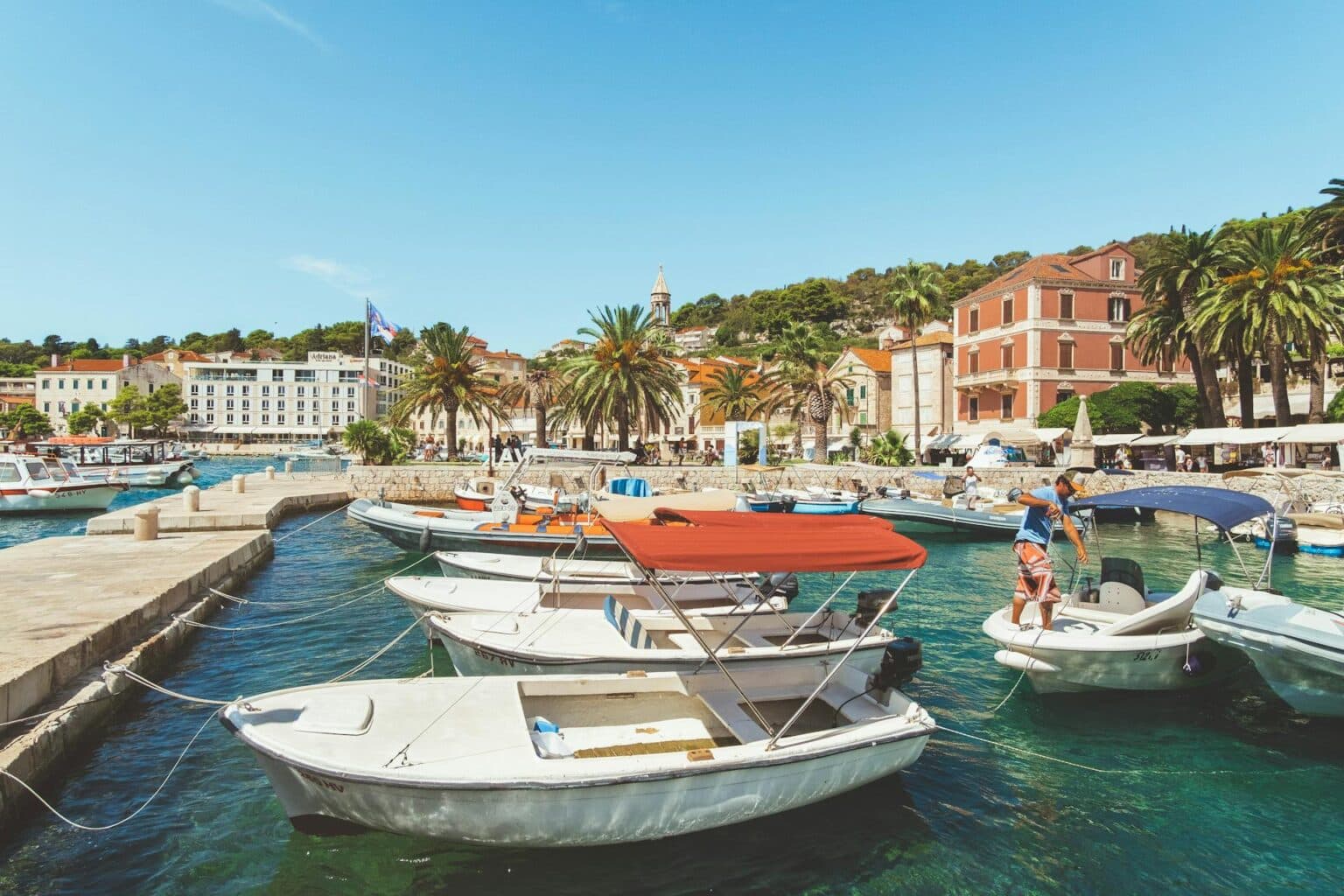
When a rented vessel is damaged or disabled, repair and claims processing routinely take that unit out of service for days to weeks, directly reducing fleet availability and booking capacity during peak season.
Risk Profile: The baseline for underwriting and operations
Every rental business must map a clear risk profile that ties location, vessel mix, and customer experience to underwriting outcomes. Operators at exposed marinas or coastal gulfs face higher hull and pollution risks than inland operators on a sheltered lake. A mixed fleet—pontoons, cruisers, sport boats, and sailboats—creates varied liability and maintenance profiles that should be priced into premiums and daily rental rates.
Core underwriting factors
- Location: open ocean, gulf, sheltered bay, or inland waterway.
- Vessel type: small PWC, day cruiser, sailboat, or superyacht charter.
- Use model: captained charter, bareboat, or supervised rentals.
- Customer screening: minimum age, certifications, prior experience.
- Security and maintenance: marina protections, theft deterrents, maintenance logs.
Essential coverage types for boat rental businesses
Well-structured policies combine a few core covers with tailored endorsements. The goal is to protect revenue, reduce out-of-service time, and limit liability exposure to third parties.
📚 Vous aimerez peut-être aussi
| Coverage | What it protects | When it's essential |
|---|---|---|
| Hull & Machinery | Physical damage to vessels and key equipment | All for-profit fleets and high-value craft |
| Liability / Third-Party | Bodily injury and property damage to others | Always; critical in busy marinas and near beaches |
| Charter / Commercial Use | Covers paid rentals and captained charters | Needed whenever money or crew are involved |
| Business Interruption | Lost income during repairs or claims | High-margin operations that rely on capacity |
| Pollution / Environmental | Cleanup and fines for spills | Coastal operations or high-fuel craft |
Endorsements and additional protections
Consider endorsements for rented equipment (electronic nav gear, water toys), uninsured boater coverage, crew and medical-payments coverage, and liability extensions for events and race days.
Operational controls that reduce premiums and claims
Insurance is most effective when paired with disciplined operations. Insurers reward quantifiable risk-reduction measures with better terms.
Practical control checklist
- Documented maintenance schedules with receipts and logs.
- Formalized renter screening: experience checks, ID, and conditional waivers.
- Mandatory safety briefings and written checklists for renters.
- Use of security systems at marinas and secure trailer storage for off-season craft.
- Accurate usage records tied to GPS or booking systems to support claims.
Accounting and cashflow tactics for insurance costs
Insurance should be treated as an operational cost that can be optimized, not just an annual line item. Maintain a designated claims reserve on the balance sheet, and model worst-case downtime scenarios in the P&L to determine appropriate limits and deductibles.
Cost-management strategies
- Choose deductibles that balance premium savings with available working capital.
- Explore premium financing during seasonal revenue spikes to smooth cashflow.
- Negotiate multi-year terms and loss-control credits based on documented improvements.
- Use damage deposits and refundable hold amounts to cover minor incidents and reduce small claims frequency.
Contracts, waivers, and document flow
Strong paperwork accelerates claims and reduces disputes. Rental agreements should be explicit about operator responsibilities, captain requirements, and permitted operating areas. Keep digital copies of every certificate of insurance and maintain a clear chain of custody for condition reports.
Claims-response playbook
- Secure the scene: prioritize safety and environmental containment.
- Document immediately: photos, GPS location, witness statements.
- Notify insurer and broker within policy timelines and provide complete booking records.
- Preserve the vessel and equipment for adjuster inspection where possible.
- Track downtime and lost revenue with booking system exports to support business interruption claims.
How market trends affect coverage needs
Seasonal demand shifts, rising repair costs, and changing regulations in marinas and protected waters influence both premiums and coverage gaps. An increase in captained charters or offering more premium boats—like flybridge cruisers and performance craft—typically pushes insurers to revise rates and underwriting terms. GetBoat always keeps an eye on news related to sailing and seaside vacations, because the platform understands what it means to enjoy great leisure and love the ocean; the service values freedom, energy and the ability to choose your own course, letting clients find a vessel that suits their preferences, budget, and taste.
If put into practice, these recommendations stabilize operations and support faster recovery after incidents, protecting both the physical fleet and the revenue stream that makes expansion possible.
Provide a short forecast on how this news could impact the global tourism and travel map: industry-level improvements in insurance product design and clearer standards for commercial rentals could modestly increase the number of licensed rental businesses in popular Destinations, improving consumer confidence in charter and boating services. If this is insignificant globally, note that it still matters locally for operators and guests. However, it's still important to us since GetBoat aims to stay updated with all developments and keep pace with the changing world. Start planning your next seaside adventure and make sure to book the best boat and yacht rentals with GetBoat before the opportunity sails away!
If you are planning your next trip to the sea, you should definitely consider renting a boat (boat rentals, rent a boat, rent a yacht), as each inlet, bay, and lagoon is unique and tells you about the region just as much as the local cuisine, architecture, and language GetBoat.com
Highlights: strong insurance planning aligns underwriting with operational controls, reduces fleet downtime, and protects cashflow. Remember that experiencing a new location is always multifaceted—one learns about the culture, nature, the indescribable palette of local colors, its rhythm of life and also the unique aspects of the service. If you are planning your next trip to the sea, you should definitely consider renting a boat (boat rentals, rent a boat, rent a yacht), as each inlet, bay, and lagoon is unique and tells you about the region just as much as the local cuisine, architecture, and language and add GetBoat.com
Summary: robust coverage—combining hull, liability, business interruption and tailored endorsements—paired with rigorous maintenance, renter screening, and clear contracts, reduces risk and keeps boats afloat in revenue-producing service. For operators this means better protection against the costs of repairs, higher resilience to claims-related downtime, and a clearer path to managing premiums and deductibles. Whether you operate a small rental on a clearwater lake, run captained charters along a sunny gulf, manage marinas with moorings for superyacht clients, or sell and charter vessels, insurance is a tool that protects the boat, the captain, and the business. GetBoat.com supports these aims by offering transparent listings where customers and owners can view make, model, ratings, and rental conditions—helping link good insurance choices with better guest experiences across yacht, charter, boat, beach, rent, lake, sailing, captain, sale, Destinations, superyacht, activities, yachting, sea, ocean, boating, gulf, water, sunseeker, marinas, clearwater, fishing markets. Fair winds and smooth seas.


