2026 boat dismantling: trends and port challenges
Alexandra
2025 figures and immediate logistical impacts
In 2025, 3,079 pleasure boats were dismantled and recycled under the coordination of APER, bringing the cumulative total since 2019 to 16,183 units. These volumes have direct operational consequences for marinas, shipyards and local authorities: increased demand for heavy-lift capacity, regional transfer routes for grounded hulls, and more frequent coordination with waste-management partners for hazardous fluids and batteries.
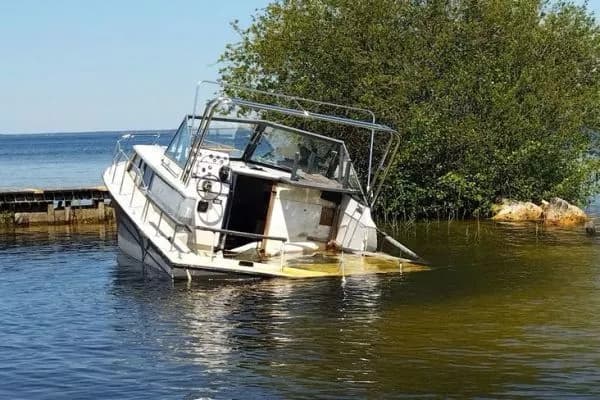
Transport remains critical. Many end-of-life craft are grounded, sunk or structurally compromised, requiring specialized recovery teams, cranes and trucking logistics. Ports with nearby approved treatment centers report lower handling costs and fewer abandoned hulks in quay areas, while remote or overseas locations still face long road or ferry transfers that can double dismantling expenses.
Breakdown by boat type and size
The 2025 profile confirms established patterns: monohull powerboats and monohull sailboats make up the bulk of dismantled units, and most boats processed are under 6 meters, which simplifies handling but increases the number of discrete operations.
📚 Vous aimerez peut-être aussi
| Type of vessel | Units (2025) | Remarks |
|---|---|---|
| Monohull powerboats | 1,223 | Largest single category; engines and fuel systems major focus |
| Monohull sailboats | 961 | Deck hardware and rigging require separate disposal |
| Dinghies | 463 | Mostly small polyester or inflatable constructions |
| Sport catamarans | 147 | Complex joinery and composite joints |
| Semi-rigids | 136 | Inflatable tubes plus rigid hull complicate separation |
| Tenders & inflatables | 96 | Smaller volumes but high variability |
| Jet skis & multihulls | 33 | Low numbers but technical dismantling needs |
Technical challenges: composites and hazardous materials
Most end-of-life pleasure boats are constructed of fiberglass-reinforced polyester, a durable marine-grade composite that resists degradation at sea but resists circular recycling. Current recovery pathways prioritize shredding and use as solid recovered fuel or filler in industrial applications. Closed-loop reuse of composite laminate is still limited and represents the principal technical bottleneck for the sector.
Dismantling also requires systematic decontamination: fuel and oil extraction, battery removal, engine dismantling, separation of ferrous and non-ferrous metals and proper disposal of asbestos or PCB-contaminated components where applicable. Each stage imposes regulatory and logistical requirements that impact both cost and timing for owners and yards.
Territorial coverage and infrastructure gaps
By the end of 2025, APER had approved 37 treatment centers, with two recent additions: Nicolin in Saint Fons and Verde SXM in Saint Martin. Despite network growth, coverage is uneven. The Atlantic coast and Brittany show the highest processing volumes, followed by Provence and Occitania on the Mediterranean. Overseas territories — Guadeloupe, Martinique and Saint Martin — together processed only 17 units, underscoring persistent remoteness issues.
Implications for marinas and local authorities
- Proximity to a center markedly reduces transport and handling costs and shortens administrative turnaround.
- Remote marinas face higher risk of accumulation of abandoned boats, increasing maintenance burden and environmental liability.
- Yachting professionals rely on the network to manage estates, seizures and boats left unattended; limited coverage complicates these operations.
Logistics and cost drivers
Key logistics drivers for owners and operators include condition at recovery, distance to an approved center, availability of cranes and flatbed transport, and regulatory paperwork to strike a hull from registries. For many yacht owners, the dominant cost elements are transport and pre-dismantling decontamination.
Historical perspective and policy momentum
Since APER’s first approvals in 2019, the industry has expanded from processing a few hundred units annually to over 16,000 cumulative dismantlings by 2025. This rapid growth reflects two parallel forces: the ageing of the pleasure craft fleet — particularly boats built between the 1970s and 1990s using laminated polyester — and improved owner awareness of approved deconstruction routes.
Regulatory attention to end-of-life boats has increased accordingly. Ports and regional authorities have begun to factor dismantling pathways into marina planning, environmental permitting and public procurement for waste services. Shipyards and architects are starting to respond by considering eco-design principles: resin selection, modular fittings, and material traceability to ease future dismantling and improve recyclability.
Forecast: where the sector is heading
Given the demographic profile of boats at risk and the steady annual increase in processed units, the sector is likely to grow further. Improvements in composite recycling technologies, expanded treatment-center networks and stronger incentives for eco-design could moderate costs and increase rates of material recovery. For marinas and charter operators, a clear trend emerges: end-of-life management will become a routine part of fleet stewardship and port operations.
Recommendations for owners, charter operators and marinas
- Anticipate end-of-life costs when acquiring older boats; include transport and dismantling estimates in total ownership cost.
- Maintain traceability of major components and records of fluid and battery maintenance to speed decontamination.
- For marinas and charter fleets, establish agreements with nearby approved centers and plan seasonal transfer windows to optimize crane and transport availability.
- Encourage shipyards and brokers to prioritize dismantlability in new builds and refits to reduce future liabilities.
Boat recycling has moved from marginal concern to essential infrastructure for a maturing pleasure craft fleet. The 2025 figure of 3,079 units reflects both an operational challenge and an opportunity: better logistics, wider treatment networks and advances in composite processing can reduce environmental impact while protecting port operations.
The implications for the yachting and charter sectors are clear. Owners, captains and charter managers must factor end-of-life pathways into fleet lifecycle planning, and marinas should integrate dismantling logistics into berth and waste-management strategies. For those interested in yacht and boat rental, charter operations or sale and purchase decisions in popular destinations and marinas, the evolving recycling infrastructure affects availability, costs and sustainability practices across beaches, lakes and coastal waters.
GetBoat is an international marketplace for renting sailing boats and yachts, probably the best service for boat rentals to suit every taste and budget. As the sector adapts, the platform continues to monitor how recycling, eco-design and port logistics influence yacht charters, boat rent options, captain services, marinas and destination activities — from clearwater beaches and gulf cruising to fishing, superyacht operations and ocean passages. For owners and renters alike, understanding dismantling pathways is part of responsible boating and long-term planning for sale, charter and recreational use; GetBoat.com is always keeping an eye on these developments to help users find suitable vessels and marinas for their next sea, lake or coastal adventure.


