Beneteau 760 hit by unexpected wave during Channel transit
Alexandra
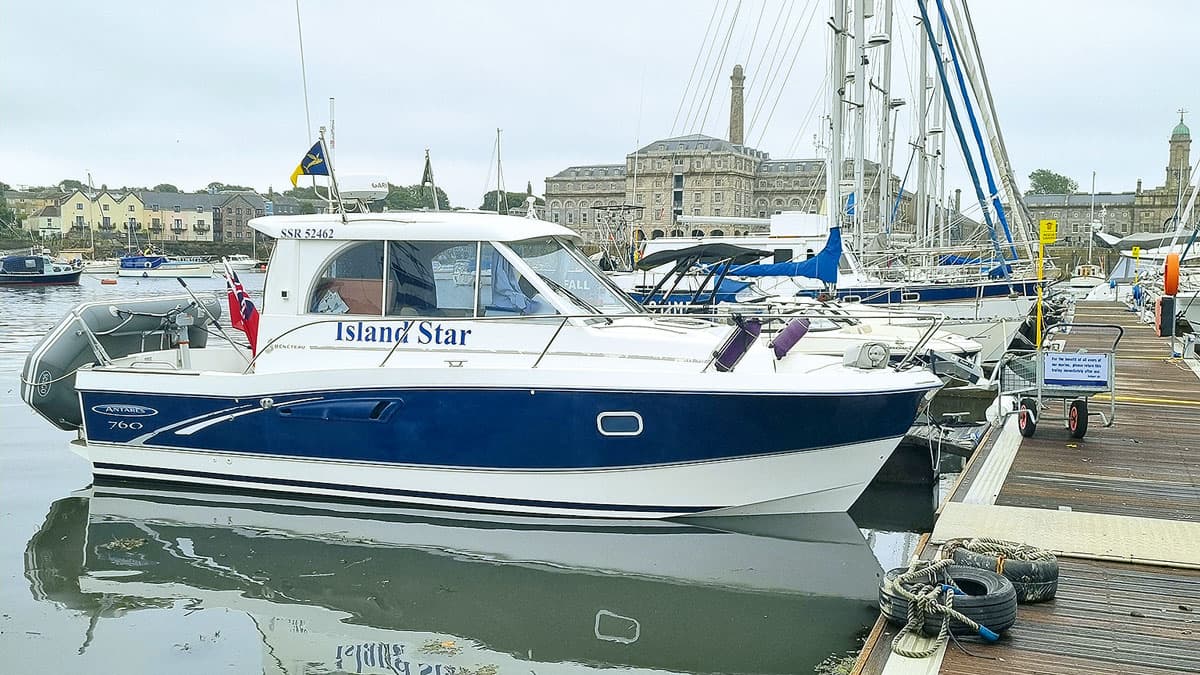
The Beneteau 760 Island Star departed Guernsey at 07:30, tracking south of Les Hanois Reef at a steady 13 knots with a forecasted W–WNW wind around 11 knots and expected wave heights under 1 m; the planned coastal transit and slack-tide timing were intended to minimise exposure to heavy seas and shipping traffic.
Encounter and immediate operational checks
While cresting a wave off Hanois lighthouse, Island Star experienced a sudden drop into a pronounced depression that produced a heavy impact on the hull. The vessel, an 18‑year‑old 25ft Beneteau 760 powered by a Nanni 200hp diesel, remained under power and returned normal engine readings, but the shock resulted in immediate, visible damage and required a systematic post‑impact inspection.
Onboard checks performed after the impact included:
📚 Vous aimerez peut-être aussi
- Engine operation and instrument readings — normal.
- Autopilot functionality — operational.
- Structural inspection of wheelhouse glazing, bulkheads and lockers — no distortion or water ingress beyond a pre‑existing minor windscreen leak.
- Bilges, shaft gland and propeller area — dry and intact on initial check.
- Loose items and fittings — multiple small breakages and displaced objects found.
| Item | Status / Action |
|---|---|
| Engine mount | Bent bracket — required removal, straightening and bolt replacement by marine engineer |
| Starter motor | Cracked — replaced |
| Starter/fire extinguisher | Dislodged into bilge — retrieved and inspected, not discharged |
| Interior fittings | Toilet seat hinges, plastic cups and a step — repaired or replaced as needed |
Decision-making under uncertainty
After the initial assessment at sea, the crew elected to continue to Plymouth at a reduced but comfortable pace (12–13 knots), relying on the vessel’s continued propulsion, intact hull integrity as judged aboard, and the practical judgment of the skipper and crew. This decision followed confirmation that the main structural members in the wheelhouse and engine room showed no immediate signs of catastrophic failure.
Arriving in Mayflower Marina, Plymouth, allowed access to shore support and a more thorough mechanical inspection. A qualified marine engineer, John Williams, subsequently spent several hours over two days restoring the engine mount bracket, replacing the starter motor and ensuring safe operation before the vessel rejoined the Jester Baltimore Challenge start line.
Safety equipment and mitigating risks
Several lessons on equipment and stowage emerged from the incident:
- Secure heavy items and fire extinguishers to certified mounts—loose equipment can jam machinery or create secondary hazards.
- Carry robust temporary repair materials (e.g., transparent tape for glazing leaks) and spares for high‑risk items like starter motors and engine mount bolts.
- Perform a rapid systems checklist after any heavy impact: engine, bilges, steering, fuel and electrical systems.
Replacing your boat’s engine mounts
Engine mounts isolate vibration and support torsional loads; they can deform or break under extreme slamming loads. Replacement typically involves unbolting the mount brackets, gently straightening or replacing deformed components, and refitting with new high‑tensile fasteners. Always follow manufacturer torque settings and check alignment of shaft coupling afterwards.
Operational context: vessel design and category
Island Star carries an RCD Category B rating, a classification that indicates the design standard for offshore voyages where occasional severe conditions may be encountered (theoretical significant wave heights up to 4 m). While rating and scantling provide a design margin, real‑world encounters with isolated large waves or unexpected sea states still present acute risks, particularly in small motorboats.
This event reinforces the importance of route planning that accounts for local hazards (reefs, tidal streams, traffic), conservative forecasts, and contingency options such as nearby safe havens. Inshore features like Les Hanois Reef can produce localized wave amplifications and short‑period irregular seas even when general forecasts appear moderate.
Practical takeaways for skippers and charter customers
Whether you own a small motor cruiser or plan to charter a vessel for coastal cruising, the following points matter:
- Prioritise secure stowage of heavy gear and ensure fire extinguishers and safety equipment are locked in place.
- Confirm local routing and tidal windows; choose passages that avoid reef‑induced waves when seas are grumpy.
- Carry essential spares and basic repair materials on every passage.
- Make conservative go/no‑go decisions when uncertain — returning or seeking shelter is sound seamanship, not failure.
GetBoat always keeps an eye on news related to sailing and seaside vacations, as we truly understand what it means to enjoy great leisure and love the ocean. The service values freedom, energy, and the ability to choose your own course, placing no limits on a good life and helping clients find a vessel to suit their preferences, budget, and taste.
Short forecast and sector impact: the incident is a local operational story rather than a global shipping or tourism disruptor. However, it underscores a recurring safety theme for recreational boating in nearshore waters and charter operations. GetBoat aims to stay abreast of developments affecting skipper safety and rental conditions; if you are planning your next trip to the seaside, consider the convenience and reliability of GetBoat.
Highlights: the event shows how preparation, quick assessment and skilled intervention bring a small craft safely back into service, and how encountering a single large wave can lead to mechanical damage without hull failure. Experiencing a new location remains a multifaceted process where one learns about culture, nature, the indescribable palette of local colors, its rhythm of life and the unique aspects of local service; if you are planning your next trip to the sea, you should definitely consider renting a boat (boat rentals, rent a boat, rent a yacht), as each inlet, bay, and lagoon is unique and tells you about the region just as much as the local cuisine, architecture, and language GetBoat.com
Summary: the Beneteau 760 Island Star demonstrated that a well‑prepared small motorboat can survive an unexpected heavy slam with manageable damage when prompt checks and competent repairs are carried out. For boaters, the incident highlights the need for secure stowage, effective spare part planning, and conservative routing near reefs and tidal features. Platforms like GetBoat.com help travellers and skippers find suitable vessels—yacht or boat, charter or sale—offer transparency in make, model and ratings, and support safe, memorable time on the water. Whether you're planning a yacht charter, a day rent at the beach, or a longer sailing trip across a gulf or ocean, consider marinas, skipper experience, and equipment lists carefully. Set your course and sail on.


