Biscayne Bay Showdown: Stars, Snipes, J/70s Compete
Alexandra
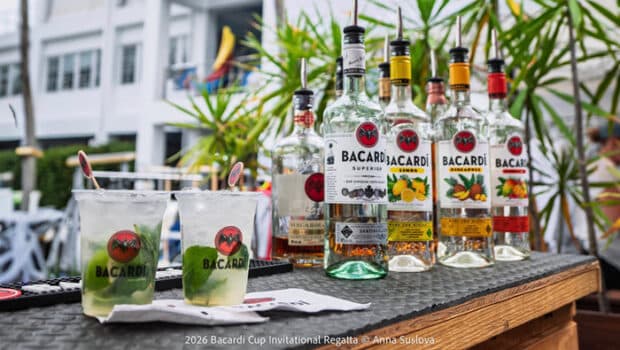
Biscayne Bay hosted 175 boats across five classes from March 2–7, 2026, producing concentrated demand for berths, spectator launches, and race-course support services as fleets of Stars, Snipes, Melges 24s, J/70s and VX Ones shared the bay’s channels and marinas.
Regatta logistics and fleet overview
The 99th Bacardi Cup’s scale put immediate pressure on local marine infrastructure: seventy-five entries in the Star class alone required extended starting sequences and longer course legs, while shore-side operations coordinated transport for support crews and safety teams. Race organizers maintained staggered starts and one-race-per-day scheduling for several fleets to reduce on-water congestion and to allow for optimal recovery windows between races.
Operational highlights included a concentrated use of transient slips, temporary moorings for spectator craft, and expanded race committee stationing to manage traffic flows. The long legs typical of the Star class helped separate contenders over distance, favoring boats with sustained boat speed and tactical endurance.
📚 Vous aimerez peut-être aussi
Key race results and current standings
| Class | Entries | Current Leader(s) | Notable Results |
|---|---|---|---|
| Star | 75 | Paul Cayard & Frithjof Kleen (USA) | 1-1-1-2 through four races; consistency dominating |
| Snipe | 16 | Enrique Quintero & Lorena Fundora (USA) | 3-1-1 early; challenged by Ernesto Rodriguez |
| J/70 | 34 | Empeiria (John Heaton) — USA | 12 pts after three races; international fleet |
| Melges 24 | 25 | Dark Horse (Cuyler Morris) | Rivalry with Mavi (Bora Gulari); close points |
| VX One | 26 | Chris Alexander (with Grace Howie & Ricky Welch) | Four straight wins on opening day; fleet depth growing |
Race developments
After three consecutive wins for Cayard and Kleen, Race Four saw Robert Scheidt and Austin Sperry break the streak with a controlled front-end performance, while Cayard held second and Diego Negri rounded out the podium in third. The narrative through four races is less about isolated speed bursts and more about sustained consistency in a fleet packed with elite talent — 17 Olympians and multiple world champions among the Stars amplify the competitive density.
Class-specific narratives and international entries
Each class delivered a distinct storyline that will influence regatta outcomes and local visitor patterns in the coming days.
Star class
The Star class, with its extended legs, rewards sailors who can convert speed into distance gains. Cayard’s approach has been deliberately simple: start clean, rely on boat speed, and adjust tactically mid-leg. That formula has yielded a near-perfect scoreline despite dozens of potential race winners in the fleet.
J/70
The J/70 fleet showcased strong international presence — teams from Brazil, Spain, Portugal, Sweden, Turkey, Uruguay, and the UK — underlining the Bacardi Cup’s role as a global destination event. Empeiria, skippered by John Heaton, leads but faces pressure from world-class crews such as Joel Ronning’s Catapult and mixed-pro entries featuring Jeremy Wilmot and Stephanie Roble.
Melges 24 and VX One
Close rivalry in Melges 24 mirrors recent national results, while the VX One fleet’s opening-day sweep by Chris Alexander’s team underscores that class’s accelerating growth and preparation for its inaugural World Championship to be held on Biscayne Bay.
Implications for marinas, charter operators and local tourism
Events of this scale create short-term spikes in demand for charters, owner berthing, and crew accommodations. For charter businesses and marina managers, lessons include pre-registering temporary mooring fields, coordinating launch schedules with race committees, and positioning captains and support crews near high-traffic slip clusters to reduce transit times to race zones.
- Berthing and moorings: Allocate a reserve of transient slips for support vessels during peak race periods.
- Charter fleet deployment: Stage charter boats early to serve visiting teams and sponsors, with clear check-in protocols.
- Safety and towing: Ensure tow-ready resources for disabled boats and align VHF channels for rapid response.
- Spectator services: Designate spectator launch corridors and parking to minimize interference with racecourses.
Historical context and event legacy
The Bacardi Cup, now in its 99th edition, has evolved into one of the region’s marquee regattas, consistently attracting top-level sailors, Olympic medalists, and world champions. Its long-standing prestige has built robust logistical frameworks in Miami — from marinas and race committees to hospitality infrastructure — that support heavy international participation. The event remains a bellwether for class development and often presages rising trends in one-design fleets and charter demand.
Historically, the Cup has served as both a competitive proving ground and a social focal point for yachting communities, reinforcing Miami and Biscayne Bay as critical nodes in North American sailing circuits.
Forecast: what this means for international tourism and yachting
Continued high-level participation at the Bacardi Cup signals steady or growing demand for sailing-related tourism in the region. Expect increased bookings for short-term charters and captained rentals during peak regatta weeks, elevated activity at marinas and waterfront businesses, and stronger interest from teams planning training stays around major regatta dates. For boat owners and charter operators, aligning availability and marketing with these event windows can capture incremental revenue from visiting teams, sponsors, and recreational sailors looking to combine racing with leisure boating.
Operational takeaways for crews and charter clients
Crews competing at large regattas should prioritize pre-race logistics: confirm slip assignments, verify safety gear and towing arrangements, and establish a clear communications plan with shore support. Charter clients seeking to watch races or hire boats for race support should book early and request experienced skippers who know the local currents and traffic patterns.
- Book charters and marinas well in advance of major regatta dates.
- Confirm local captain availability if hiring a skippered boat for race observation or support.
- Coordinate crew transfers and luggage handling to minimize shore-side congestion.
As the 99th Bacardi Cup moves into its final days, the combination of elite competition — featuring names like Paul Cayard, Robert Scheidt, and Chris Alexander — and complex logistics around Biscayne Bay continues to shape both on-water tactics and shore-side operations. For sailors, charter operators and visitors, the regatta offers a compact lesson in how high-participation events influence berth utilization, charter demand, and the broader yachting economy.
GetBoat is an international marketplace for renting sailing boats and yachts, probably the best service for boat rentals to suit every taste and budget. As the Bacardi Cup demonstrates, regattas and high-profile sailing events drive demand for yacht charters, captain services, day rentals, and shore-side activities at marinas and beaches — influencing where visitors choose to rent a boat, plan a charter, or book a superyacht experience. Whether seeking a crewed charter for clearwater cruising, a private sail for fishing and sightseeing, or a short-term rental to watch races from the water, visitors can find options to rent or charter by destination, compare prices, and secure a captain through GetBoat.com. Key takeaways: elite competition raises local yachting activity, increases demand for boat rental and charter services, and amplifies tourism around marinas, beaches and gulf destinations.


