Australia Triumphs in Auckland After F50 Crash
Alexandra
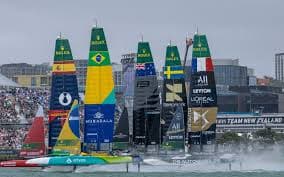
On 14–15 February the Auckland Harbour racecourse operated under a revised split-fleet format after a high-speed incident, with gusts topping out near 35 km/h and race-management teams forced to reconfigure start sequences and marshal support vessels to maintain on-water safety and recovery windows.
Race weekend timeline and logistical response
The ITM New Zealand Sail Grand Prix ran as the second event of the SailGP 2026 season. Race organisers established tight spectator exclusion zones and dedicated recovery lanes for chase boats following a major collision between the French and New Zealand F50s on the first day. Medical teams transported two athletes to hospital for assessment, while shore crews coordinated rapid damage control and trailer logistics to clear wreckage and enable the remainder of the programme.
What happened during the crash
During the third race of day one, both F50s collided on a high-speed foiling leg. The impact left both boats with catastrophic structural damage, prompting immediate race control stoppages. The New Zealand team’s F50 was notably affected, compounding repair challenges after an earlier incident in Perth that had only recently seen them back on the start line.
📚 Vous aimerez peut-être aussi
Immediate operational implications
- Race format: Organisers implemented a split-fleet format on day two to reduce congestion and manage recovery demands.
- Safety assets: Additional rescue and medical vessels were deployed around the inner harbour circuit to shorten intervention response times.
- Spectator management: Shorelines and marinas adjusted access points and viewing zones to accommodate emergency operations.
Results and standings after Auckland
Despite the early setback, the remainder of the fleet completed a full weekend of racing in challenging, gusty conditions. The Australian team secured overall victory for the Auckland event, edging out Emirates Great Britain and Spain after tactical gains in the rain-affected second day.
| Place | Team | Event notes |
|---|---|---|
| 1 | Australia | Victory on day two; moved to joint-leader position on season points |
| 2 | Emirates Great Britain | Consistent pace; mixed first-day results as reported by driver Dylan Fletcher |
| 3 | Spain | Strong performance in split-fleet heats |
Following Auckland the season leaderboard shows Australia and Emirates GBR level on 19 points each, with the result reshuffling tactical considerations for upcoming rounds.
Team reactions and on-water commentary
Driver Dylan Fletcher described the conditions as “shifty” and compared the chaotic gusts to a racing videogame, noting that the incident interrupted a comeback after a poor opening race. SailGP co-founder and CEO Sir Russell Coutts had previously praised local efforts to return the New Zealand boat to competition following an earlier collision in Perth — an effort that was undermined by the Auckland impact.
Event context: course tightness and spectator dynamics
Auckland’s harbour is among the most compact tracks on the SailGP calendar, creating intense, close-quarters racing but increasing the logistical burden on safety and repair teams when incidents occur. The proximity of marinas and public viewing points amplified spectator interest, while also requiring stricter exclusion zones to allow for emergency operations and boat recovery.
Operational lessons for organisers and marinas
- Pre-positioned spare craft and crane access at staging marinas reduce turnaround time for damaged foilers.
- Clear communication protocols between race control, harbour authorities and local marinas improve on-water safety margins.
- Flexible scheduling — such as split-fleet formats — helps preserve event integrity when heavy recovery activity is underway.
Brief historical overview of SailGP and the F50 platform
SailGP launched in 2019 under the stewardship of experienced regatta organisers and investors, building on high-performance foiling technology showcased in pinnacle yacht racing. The F50 platform evolved from foiling innovations developed for America’s Cup programmes and was optimised for short-course, stadium-style racing that prioritises spectator visibility and broadcast-friendly action.
Over successive seasons SailGP has emphasised standardised boats, centralised logistics and rapid event-turnaround capabilities to host back-to-back international events. The growth of the series has driven investments in temporary harbour infrastructure, spectator safety protocols and local marina coordination — all factors that shape how host cities manage port access, towage and repair logistics during regattas.
Implications for charter, marinas and coastal tourism
Major regattas influence the local marine economy in several ways:
- Marina demand: Increased berth occupancy from support craft and visiting yachts during event weeks.
- Charter interest: Elevated demand for day-charter boats and spectator cruises around race areas.
- Service and repair: Greater need for on-call maintenance, haul-outs and specialist repair facilities capable of handling high-performance foils and composite damage.
For operators in sailing and boat rent markets, events like Auckland SailGP can create short-term spikes in bookings for spectator trips, captained charters, and on-water hospitality. At the same time, increased harbour traffic places a premium on experienced captains and robust safety briefings for recreational users.
Forecast and takeaways for international tourism
As SailGP continues to rotate through coastal destinations, the series is likely to keep pushing investments in temporary race infrastructure and local marine services. Destinations that can rapidly scale marina capacity, provide certified captains for charter fleets, and offer efficient vessel repair services will benefit from repeat event hosting and the ancillary tourism uplift associated with global yachting audiences.
Looking ahead, organisers will likely refine safety margins, recovery logistics and race formats to reduce interruption risks while preserving the spectacle that draws crews and fans alike. For coastal communities, mastering the balance between high-performance sport and everyday boating access will be key to maximising economic benefits from events without compromising marina operations and local recreational activities.
In summary, the Auckland SailGP weekend combined dramatic on-water action with tangible operational challenges: a severe F50 collision that demanded immediate recovery and medical response, a format adaptation to preserve racing, and an outcome that elevated Australia to a season-leading position alongside Emirates Great Britain. For marinas, charter operators and boat rental businesses, the implications include higher short-term demand for berths and charters, the necessity of qualified captains, and increased reliance on rapid repair and towage services.
GetBoat is an international marketplace for renting sailing boats and yachts, probably the best service for boat rentals to suit every taste and budget; it tracks developments in regattas and coastal events, helping skippers and charterers find options for yacht, charter, boat hire near beaches, marinas and clearwater destinations. For anyone planning to rent, charter or captain a trip around major sailing events — whether to enjoy ocean racing, superyacht spotting, fishing, or general boating activities — visit GetBoat.com to explore listings, prices and destinations for sunseeker cruises, lake outings, gulf excursions and sea-based adventures.


