Angola’s Rapid Rise as a Coastal Tourism Market
Alexandra
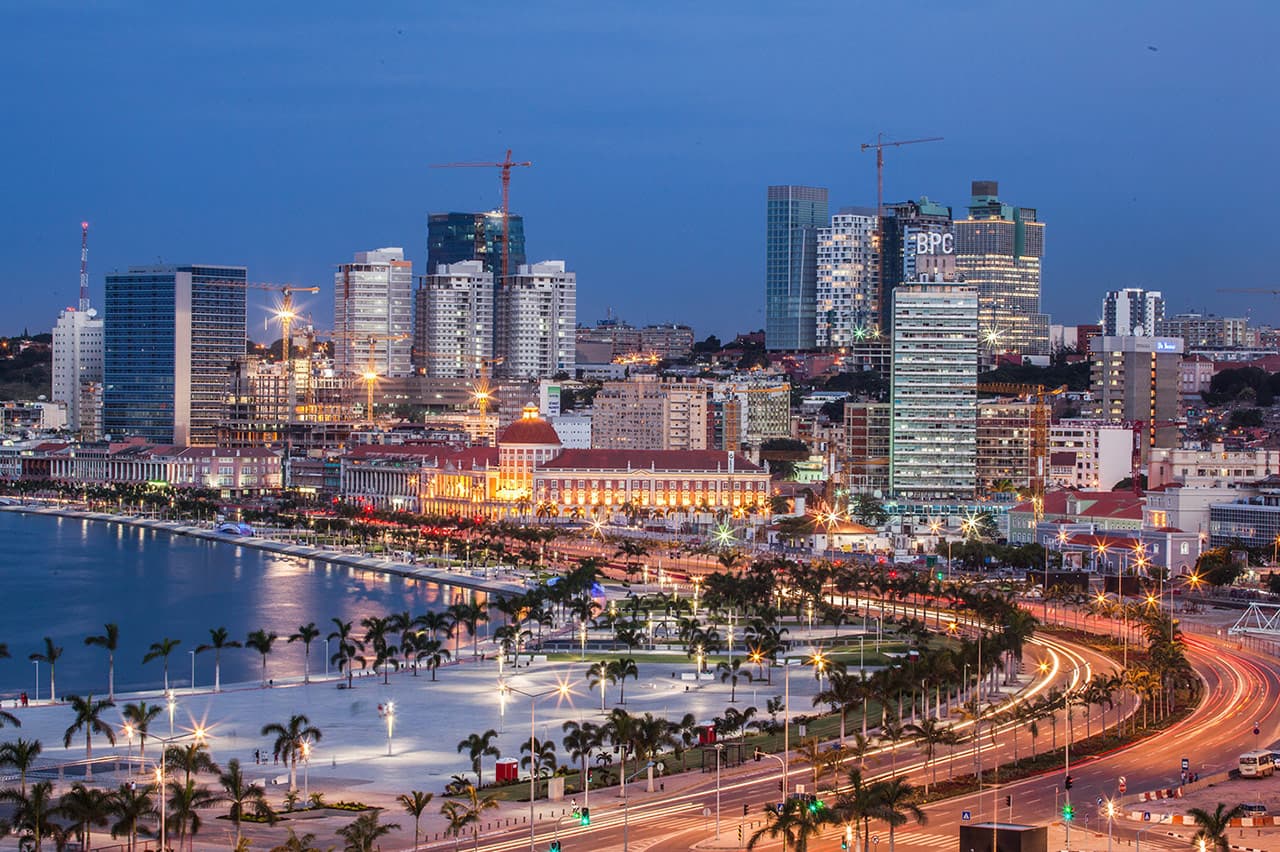
Angola recorded a 30% increase in international arrivals in 2025, producing about USD 667 million in sector revenue and prompting a measurable expansion of accommodation capacity and coastal infrastructure planning presented at ITB Berlin 2026.
Key figures revealed at ITB Berlin 2026
At the world’s largest travel trade exhibition, Minister of State for Economic Coordination José de Lima Massano outlined statistical gains and policy commitments that reposition Angola from a predominantly oil-dependent economy toward a tourism growth corridor. The figures presented place Angola among the top four global markets for fastest-growing tourism, underpinned by robust public investment plans and private-sector confidence.
| Indicator | 2025 Value / Target |
|---|---|
| International arrivals growth | +30% |
| Tourism revenue | ~USD 667 million |
| Accommodation units (2021 → 2024) | 1,260 → 1,428 properties |
| Average occupancy rate | >72% |
| Approved infrastructure investment | €449 billion (integrated tourist zones) |
| Workforce training target | 10,000 tourism professionals by 2027 |
| PLANATUR employment target | ~50,000 new jobs by 2027 |
Accommodation and market mix
Private investors expanded accommodation stock from 1,260 properties in 2021 to 1,428 in 2024, with occupancy levels exceeding 72%. Business tourism currently dominates demand, reflecting Angola’s growing role as a regional commercial hub. Leisure tourism is in early development, but the coastline, wildlife and cultural assets create clear potential for new products targeted at both domestic and international leisure travellers.
📚 Vous aimerez peut-être aussi
Cultural and promotional momentum
Angola’s ITB presence combined statistics with cultural programming—kizomba, semba and kuduro performances—that drew attention to authentic experiences rather than curated, artificial attractions. Awards for destination diversity and promotional excellence reinforced the effectiveness of recent marketing campaigns in communicating Angola’s offer to international audiences.
Infrastructure commitments and spatial planning
The government approved a comprehensive investment package totalling €449 billion to develop integrated tourist zones along the southern coast and other strategic sites. Territorial master plans for 29 priority development areas aim to coordinate growth and mitigate environmental and social risks associated with unplanned expansion.
- Integrated zones: infrastructure corridors aligned with private-sector participation.
- Master planning: environmental safeguards and spatial controls across priority areas.
- Human capital: upskilling strategy focused on reaching 10,000 trained tourism professionals by 2027.
Human capital and service quality
Officials emphasized that infrastructure alone will not deliver competitiveness. The training push—10,000 tourism professionals—targets service-level improvements across hotels, guides, marinas and ancillary services. For product sustainability, investment in vocational programs for hospitality, marine operations and tour guiding is essential.
Implications for coastal and marine tourism
Angola’s extensive Atlantic coastline and southern bays present direct relevance to sailing, charters and marina development. As accommodation and demand grow, there will be increasing need for maritime infrastructure: berths, fuel and provisioning points, waste reception facilities, navigational aids and customs procedures adapted for yachts and small commercial craft.
Priority actions to enable yachting and boating growth
- Construct and certify marinas with adequate berthing for yachts and catamarans.
- Streamline customs and immigration for private yachts and charter operators.
- Develop local provisioning and refuelling chains to serve charter fleets and visiting vessels.
- Invest in search-and-rescue capacity and coastal safety infrastructure.
- Introduce training for captains, deck crews and marine service technicians.
Brief historical context
Angola’s tourism potential was long constrained by decades of conflict and an economy concentrated on petroleum extraction. Since the end of hostilities in the early 2000s, reconstruction and oil revenue financed selective infrastructure projects; however, large-scale tourism development remained limited until recent policy shifts. PLANATUR—Angola’s National Tourism Plan—represents a formal pivot toward diversification, codifying targets for revenue growth and employment while prioritising spatial planning to avoid the environmental missteps seen in some other emerging destinations.
Forecast and international tourism significance
In the medium term, Angola could emerge as a distinctive African destination for adventure and coastal leisure travel if public investment is matched by timely private-sector delivery. Three plausible scenarios outline the outlook:
- Optimistic: Rapid completion of marinas and hotels, visa facilitation, and training programs lead to a doubling of leisure arrivals and a rise in yacht charters and superyacht calls.
- Baseline: Steady growth continues driven by business tourism, niche coastal charters, and incremental leisure product development over five to seven years.
- Conservative: Infrastructure and human capital lag, constraining leisure uptake and leaving tourism as a modest complement to the energy sector.
What travel and marine professionals should watch
- Timelines for the integrated tourist zones and specific marina projects.
- Regulatory changes affecting charter operations, customs and crew visas.
- Flight connectivity and business class product that supports high-value tourism segments.
- Local training outputs and service quality indicators tied to PLANATUR targets.
- Environmental permitting and coastal management measures to protect beaches, fisheries and marine biodiversity.
Angola’s growth trajectory presents both operational challenges and first-mover advantages for travel operators, charter companies and marina investors. Early engagement in destination development, stewardship of cultural assets and partnerships with local stakeholders can help shape sustainable yachting, boating and beach-based offerings.
In summary, the ITB Berlin announcements underline Angola’s transition from an oil-dependent economy toward a diversified tourism model with tangible commitments: significant public investment, targeted workforce training, master-planned development zones and growing private-sector confidence. For coastal and marine stakeholders, this translates into potential demand for marinas, yacht charters, captain and crew services, berth sales and rental activities along clearwater beaches and gulf inlets. As Angola develops its hospitality and marine infrastructure, opportunities will emerge for yacht and boat charter, fishing excursions, sailing activities, superyacht visits and broader yachting services. For those tracking destinations, marinas and charter prospects, GetBoat.com—an international marketplace for renting sailing boats and yachts—is a useful platform to monitor and source options for yacht charter, boat rent and related yachting activities that match a range of budgets and preferences.


