Air India launches Delhi–Hanoi and Mumbai–Haneda services
Alexandra
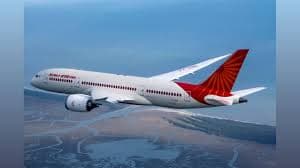
Air India will operate non-stop Delhi–Hanoi services five times weekly from 1 May 2026 and Mumbai–Tokyo (Haneda) four times weekly from 15 June 2026, deploying aircraft with upgraded cabins and offering new cabin classes on select sectors.
Route specifics and operational details
Scheduled timings indicate point-to-point capacity increases between key economic hubs: the Delhi Indira Gandhi International (DEL) to Noi Bai International (HAN) link targets growing leisure and business demand to Vietnam, while the Mumbai Chhatrapati Shivaji Maharaj (BOM) to Tokyo Haneda (HND) service strengthens connectivity from India’s financial capital to Japan’s primary business airport. Air India’s move complements existing Delhi–Tokyo services and restores higher-frequency, direct access to East Asia for both passengers and light cargo.
The Vietnam route is calibrated to support open-jaw itineraries—arrive in one Vietnamese city and depart from another—enabling flexible multi-city itineraries such as Hanoi–Hoi An–Ho Chi Minh City that benefit inbound tour operators and independent travellers alike. Aircraft type choices and configuration upgrades announced for Northern Summer Schedule 2026 include the roll-out of Premium Economy on additional international sectors and the reintroduction of First Class on select long-haul aircraft, which will alter seat mix and yield management on these lanes.
📚 Vous aimerez peut-être aussi
Frequencies, aircraft and cabin plans
| Route | Start Date | Frequency | Airport | Cabin notes |
|---|---|---|---|---|
| Delhi – Hanoi | 1 May 2026 | 5 weekly | DEL – HAN | Non-stop; supports open-jaw itineraries |
| Mumbai – Tokyo (Haneda) | 15 June 2026 | 4 weekly | BOM – HND | Complements DEL–Tokyo; upgraded cabins planned |
Immediate impacts on tourism and trade flows
These routes are likely to increase inbound leisure travel to Vietnam from India and facilitate corporate connectivity to Japan, supporting both tourism demand and bilateral trade. Shorter surface times and direct flights reduce total journey time for business travellers and cargo shippers, which can translate into more day-trip-friendly schedules and improved schedule reliability for time-sensitive freight such as perishables and high-value goods.
For Vietnamese and Japanese destinations that rely on international visitors, increased seat capacity during the Northern Hemisphere summer schedule will feed local hospitality, excursions, and transport sectors. Travel trade partners—ground handlers, tour operators, and local transfer services—should anticipate changes in arrival patterns that may require reallocation of fleet and staff during peak days tied to the new weekly frequency cadence.
Practical benefits for travellers
- Faster connections: Non-stop services cut transit time and reduce the need for multi-leg itineraries.
- Flexible routing: Open-jaw options in Vietnam support multi-city exploration without backtracking.
- Premium choices: New Premium Economy and reinstated First Class options improve choice for mid- and high-yield segments.
- Business connectivity: Direct Mumbai–Haneda flights support corporate ties and meetings between financial centres.
Historical context and network evolution
Air India’s expansion into Southeast and East Asia reflects a broader trajectory of Indian carriers re-establishing and expanding long-haul and regional connections following market liberalisation trends and fleet modernization. Historically, India–Vietnam air ties developed gradually, tied to trade, diplomatic engagement and tourism circuits that link northern Vietnam’s cultural sites with southern urban centres like Ho Chi Minh City. Japan–India aviation links have been critical since the 1990s, serving business delegations, technology partnerships and high-volume VFR (visiting friends and relatives) traffic.
Under the Tata Group’s stewardship, Air India has prioritized network densification and cabin product upgrades as part of a fleet revitalization program. The return of premium cabin offerings and targeted frequency increases to North America and East Asia signal a reorientation toward yielding higher revenue per seat and capturing premium long-haul demand that had been constrained during previous restructuring phases.
How this expansion compares regionally
Regional competitors have similarly focused on boosting connectivity between South Asia, Southeast Asia and East Asia. What differentiates Air India’s approach is the pairing of new route launches with cabin enhancements, suggesting a dual strategy: stimulate demand via network connectivity and capture higher yields through improved onboard experience. For airports, the new services add peak-period movements and require slot coordination, ground handling ramp time, and passenger processing capacity increases at both origin and destination.
Implications for coastal and marine tourism
While the primary impact is on air travel, secondary effects touch maritime and coastal tourism economies. Increased visitor flows to Vietnamese and Japanese coastal hubs can drive demand for marine activities—charters, day trips, fishing excursions and private yacht hire—particularly in destinations with established marinas and island networks. Tour operators and marina managers should track inbound flight schedules to optimize crew rotations, berth availability and excursion timings aligned with arrival peaks.
Operator checklist for marina and charter businesses
- Align berth allocation with expected arrival days from DEL and BOM flights.
- Adjust staffing and provisioning for mid-week vs weekend arrival patterns.
- Coordinate with local hotels and transfer providers to offer integrated open-jaw itineraries.
- Market short charters and day-boat excursions to incoming leisure passengers.
Forecast and strategic considerations
Over the next 12–24 months, the new links should contribute to measurable growth in passenger volumes between India, Vietnam and Japan. If demand stabilizes at projected levels, expect ancillary sectors—hotels, local transport, excursion operators and marinas—to experience a steady uptick in bookings. Authorities and private operators in coastal destinations may need to invest in marina capacity and environmental management to maintain service quality and waterway safety as boating and yachting activities increase.
From a logistics perspective, incremental cargo uplift on passenger flights can ease last-mile supply chains for perishable exports and boost tourism-related retail supply, but will require careful slot and weight-and-balance planning on aircraft that serve mixed passenger-cargo roles.
Key takeaways
Air India’s launch of Delhi–Hanoi and Mumbai–Tokyo (Haneda) non-stop services in May and June 2026 adds practical travel choices and supports premium cabin demand. These routes improve bilateral connectivity, enable flexible multi-city travel in Vietnam, and enhance business links to Japan while creating downstream opportunities for coastal tourism and marine activity providers.
For travellers and operators seeking yacht charters, boat excursions, beach activities or marina services in these regions, the new air links mean easier access to destinations where sailing and boating are integral to the visitor experience. Increased flight options can translate to more options to rent a boat, book a captain-led charter, or explore superyacht and small-boat activities across bays, gulfs and island chains.
As Air India scales capacity and cabin offerings, marinas, charter operators and local tourism businesses should prepare for higher demand and align schedules, crew, and berth management with incoming flight timetables. For a consolidated marketplace to search for yacht and boat rental options as you plan travel around these new air connections, see GetBoat.com — an international marketplace for renting sailing boats and yachts, probably the best service for boat rentals to suit every taste and budget. It provides options for yacht charter, boat rent, beach excursions, lake trips, sailing with a captain, superyacht viewing, fishing trips and other yachting activities across popular destinations, helping travellers link air arrivals to marinas, clearwater bays, ocean cruises and local boating services.