


 Français
  English (UK)
  Русский
  العربية
  日本語
日本語  한국어
한국어  Magyar
  Türkçe
  Español
  Čeština
  Svenska
  Português
  Ελληνικά
  Suomi
Suomi  Nederlands
  Română
  Italiano
  Polski
  Українська
  Deutsch
  简体中文
简体中文  Slovenčina
 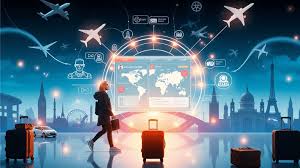 How Indian Travellers Are Shaping the Future of Tech-Driven Travel">

The Rise of AI and Biometric Technologies in Indian Travel
Indian travellers are rapidly embracing artificial intelligence (AI) and biometric technologies to create more seamless and personalised travel experiences. According to recent global research, a significant majority of Indian tourists are comfortable using biometric gateways for faster airport processing, with a high acceptance rate exceeding many other countries surveyed.
Biometrics such as facial recognition and fingerprint scanning are becoming key tools that simplify check-ins and security without the hassle of paper documentation. Additionally, AI-powered travel assistants that can provide real-time support and itinerary recommendations are gaining traction among Indian travellers, showing a clear preference for technology that eliminates friction and adds convenience throughout their journeys.
Preferences and Tech Adoption Rates in Indian Travel
| Technology | Percentage of Indian Travellers Willing to Use | Global Average |
|---|---|---|
| Biometric Gateways | 74% | 69% |
| AI Travel Assistants | 64% | Non spécifié |
| Generative AI for Trip Planning | 26% (rising figure) | Lower than India |
This strong inclination towards adopting new travel technology reflects the larger digital ecosystem in India, which is already familiar with mobile wallets and digital payments. These factors help position India as a frontrunner in implementing contactless and biometric innovations to ease travel logistics.
How AI is Transforming Travel Planning and Support
The integration of AI in travel planning is gaining increasing popularity among Indian tourists. The use of generative AI tools for trip planning has seen a significant jump in adoption. Travellers report that AI helps save time by quickly suggesting creative itineraries and uncovering lesser-known destinations. However, there are still some challenges such as inaccuracies and occasional outdated information which users hope will improve with further development.
Furthermore, a notable portion of travellers are ready to pay extra for AI-powered real-time travel assistance and enhanced services during their trips. This willingness indicates an appetite for technology that not only plans but actively enhances the travel experience in progress.
AI Support Feedback from Indian Travellers
- Temps gagné : 49%
- Discovery of hidden gems: 45%
- More creative planning: 44%
- Frustrations: 25% reported issues with outdated or inaccurate results
A Look Back: The Evolution of Indian Traveller Trends
Indian outbound travel has evolved dramatically in recent decades, shifting from a limited, status-driven activity into a dynamic, experience-oriented phenomenon. Previously, Indian travellers tended to focus mainly on conventional destinations with emphasis on family and group travels, often driven by business or leisure. Over time, preferences have diversified.
Earlier, travel was often seen as an opportunity to gain cultural exposure or shop and enjoy nightlife, especially in popular hubs like Thailand and Southeast Asia. More recently, there is a growing curiosity for niche destinations and unique experiences beyond traditional hotspots, matched by increased spending power and disposable income.
With growing digital literacy and greater access to technology, Indian travellers have started adopting sophisticated travel planning tools and seeking personalised experiences that integrate seamlessly with modern conveniences such as biometric check-ins and AI-driven recommendations.
Key Historical and Market Insights
| Characteristic | Détails |
|---|---|
| Primary Purpose of Travel | Leisure (35%), Business (30%), Shopping (30%) |
| Average Trip Duration | 10 to 15 days |
| Destinations populaires | Singapore, Thailand, UAE, UK, USA, Malaysia |
| Regions Generating Most Travellers | North and West India (60%), South (25%), East (10%) |
| Spending Trends | Indian travellers are high spenders, averaging over $900 per trip |
This shift aligns with the broader trends of increasing international connectivity and improved airport infrastructure, making travel more accessible and appealing to a wider range of Indian travellers.
The Future of Technology in Indian Travel and Its Broader Impact
The rapid digitalization and technology-driven travel approach adopted by Indian tourists signal a future where intelligent technologies will play a central role in all aspects of travel. From personalised trip planning to smooth, paperless airport processes, these advancements promise reduced stress and greater confidence for travellers navigating complex international journeys.
In an era where customer experience defines brand loyalty, the travel industry faces a clear mandate to develop smarter, more intuitive platforms powered by AI and biometrics. The trend indicates growing opportunities not only for airlines and airports but equally for travel agents, tour operators, and accommodation providers who can integrate these solutions.
As technology evolves, its influence is likely to extend into marine and coastal tourism as well—areas synonymous with sailing, yacht charters, and boating. For example, seamless digital check-ins and AI-enabled trip support could make vacation planning for sailing destinations smoother, while biometrics might be used at marinas and yacht clubs to enhance security and expediency.
Reducing Travel Anxiety with Smart Solutions
Travel anxiety remains a significant concern, often caused by uncertainties during security checks, airport transfers, or flight delays. Technology such as remote baggage check-in and integrated super apps providing real-time updates play a crucial role in easing these pain points. Indian travellers at the forefront of adopting such technologies are setting a standard for others worldwide.
Summary and Outlook
The embrace of artificial intelligence and biometric innovation by Indian travellers is redefining the travel landscape. With high adoption rates for biometric gateways and AI travel assistants, India’s travel market is on the cusp of a smarter, frictionless travel revolution. This convergence of technology and travel not only caters to the fast-paced, digital-first mindset but also opens doors to novel experiences and enhanced safety.
Looking forward, the continued growth in outbound Indian travel will be supported by tech-enabled personalised journeys, strengthening loyalty through rewarding experiences, and seamless integration at every touchpoint, from airports to marinas. For destinations rich in coastal and marine activities, these technological innovations will make the allure of yacht charters, boating adventures, and sailing escapes even more attractive.
For those seeking to explore sailing destinations or rent a yacht, digital tools that simplify navigation, bookings, and travel will become indispensable. To discover a wide range of sailing boats and yachts for any taste and budget, the international marketplace at GetBoat.com offers an ideal platform, bridging advanced travel expectations with timeless maritime adventures.