


 Français
  English (UK)
  Русский
  العربية
  日本語
日本語  한국어
한국어  Magyar
  Türkçe
  Español
  Čeština
  Svenska
  Português
  Ελληνικά
  Suomi
Suomi  Nederlands
  Română
  Italiano
  Polski
  Українська
  Deutsch
  简体中文
简体中文  Slovenčina
  Navigating Boat Shows – Your Guide to Buying the Dream Aluminum Fishing Boat">

Choose a 16–18 ft aluminum fishing boat with a wide beam for stability and easy handling. Prepare a concise needs list, measure your storage, and set a realistic total budget, including trailer and gear. This approach will help you save money and compare these boats efficiently. Tip: bring a tape measure and a notepad to capture exact dimensions and notes at each booth.
Focus on hull design: stability comes from beam width, a shallow deadrise, and weight distribution, while maneuverability depends on a responsive tiller or console layout. For inland lakes, target a beam around 68–72 inches, a welded hull, and a transom rated for 90–115 HP to ensure planing performance. Unlike sailboats, these boats have no sails, which keeps maintenance straightforward and costs lower. Consider material thickness and cross-sections as part of a tight budget, and check the store options from multiple brands to compare value. Compare those options that align with your priorities.
Test handling at the show by simulating common tasks: turning in tight spaces, loading gear, and passing through chop at 10–15 mph. These tests reveal performance gaps between models, especially in how the boat handles weight shifts when you add friends and gear. Look for models that offer available upgrades such as locking rod storage, refrigerated livewells, and built-in battery trays to simplify getting ready for trips. These features add ease to daily use on the water.
Family use matters: without children, you may prioritize max cockpit space and low maintenance; with children, prioritize crowded-day safety features, non-slip decking, and stable platforms for casting. Ensure proper railing height, secure cleats, and easy access to a reliable bilge pump. Think about storage solutions for gear, bait, and life jackets, and confirm that the boat’s weight and trailer load fit your garage or storage lane.
When deciding, think of it as an investment with store demos and in-store financing options. These shows offer opportunities to compare price points, warranties, and dealer incentives side by side. Use this moment to invest in a boat you’ll trust for years. After narrowing to a couple of options, request a detailed spec sheet and a written test plan to verify that your chosen model meets your needs and fits your budget.
Targeted prep for aluminum fishing boat buyers at boat shows
Make a three-boat shortlist and a concrete demo plan before you step into the show. This focused prep keeps you grounded and ensures you compare like-for-like aluminum fishing vessels.
Positioning yourself as a serious buyer means mapping your typical day on the water: where you fish (shoreline, river, inlets), how you maneuver in a marina, and how easily you access gear from the bow and stern. Filter options by those needs rather than flashy features.
Experienced buyers should inspect hull integrity: look for clean welds, consistent rivets, and corrosion protection. Ask for the gauge of aluminum and overall weight, and verify trailer compatibility with your existing rig. Compare live wells, rod storage, and gear space at similar lengths to ensure you don’t overrun space in practice.
For those bringing children, check safety features: tall, non-slip decks, high rails, and reachable storage so kids enjoy the ride without clutter. Look for retractable boarding ladders or easy-access transoms that simplify getting on and off when the dock gets busy.
At the show, request a side-by-side comparison of two to three vessels in a similar length and fishing layout. Note differences in space between console, casting decks, and live-well capacity. Use a simple matrix to record hull type, motor options, battery configuration, and trolling motor readiness, then make a decision based on your timeline and budget.
Getting hands-on time helps: you could request a water-test slot or a controlled on-water demo near the marina. If the show has used models, compare wear on transom, console, and rub rails to spot long-term maintenance needs.
Edge cases: retractable fishing seats or flip-up consoles can ease storage at home port. Confirm access to bilge pump, live-well drainage, and battery bank under console for easy maintenance.
Those with experience on keelboat or sailboat can apply the same discipline: map your crew, gear, and port limits, then verify that each vessel offers safe boarding, a stable ride, and predictable handling. When you compare models, choose the one that fits your space and gets you back to enjoying time on the water with family and friends.
Identify your primary fishing environments and target boat size
Choose a versatile 18–22 ft aluminum boat as your baseline for inland and nearshore fishing. Having a stable platform with a shallow draft lets you work rivers, marsh creeks, and small bays without adding a second craft. This vessel size keeps transport simple and costs predictable, making the selection practical for beginners and experienced anglers alike. If youve already toured a few models, this baseline helps you compare features quickly, focusing on those that truly affect how you fish every day.
Identify your primary fishing environments: freshwater lakes with calm coves, rivers with current, tidal estuaries, and open coastal bays. There, you will see how miles of shoreline and water depth influence gear choices. For days with wind or chop, a hull with good stability, a robust livewell system, and reliable bilge and electrical setups matter. Use photos from past trips and from exhibitors to compare layouts side by side and note which features play to your fishing styles and access points.
Choosing your target size by environment yields practical guardrails: 18–20 ft covers most lakes and calm rivers with easy handling; 20–22 ft balances inland use with longer runs and more gear; 22–26 ft suits open bays and offshore days, especially with a cruiser-style console and higher freeboard. Likely you will prize a wider casting deck and a fixed transom that accepts standard outboards, which keeps maintenance simple and upgrades straightforward. Those considerations reduce the risk of overestimating or underestimating needed capacity.
Key decision factors include hull design (all aluminum, V hull versus flat bottom), draft, seating layout, livewell capacity, storage, and the system reliability of electrical and trolling motors. A fixed transom supports heavier motors and reduces the risk of splash during long runs. Check marina access, ramp angles, and trailer width so you can align your skills and preparation with the vessel you own, owning a craft that fits your routine. Experts at the show can point out hidden advantages and tradeoffs you may miss. Prepare questions in advance and note how the boat performs in turns and while backing. Crucial checks include engine response, steering feel, and hull integrity. And also evaluate the battery, trolling motor, and accessory systems for reliability.
Prepare a simple plan for test trips and dock checks: verify you can reach gear from both sides, confirm casting decks fit your style, and measure storage for rods and tackle boxes. At shows, talk with exhibitors and request real-world feedback from those who own and operate similar vessels. Gather photos and notes, compare system diagrams, and assess the concerns you might have about long days on the water. With this approach you map the advantages and build a decision based on data rather than impressions.
Set a show-specific budget and financing options for aluminum boats
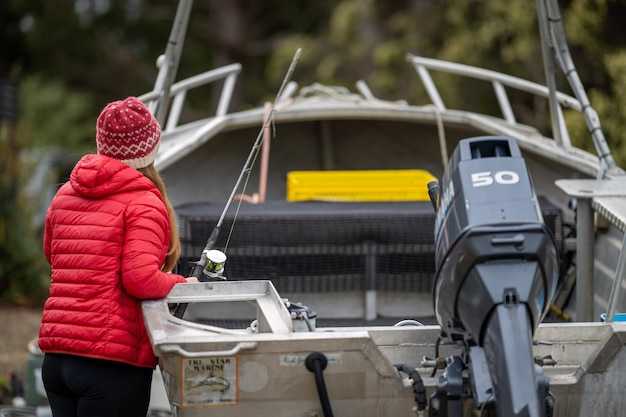
Set a show-specific budget of about $30,000–$45,000 for a ready-to-run aluminum fishing boat with trailer and essential gear; this range covers most 16–20 ft models with a 40–70 hp outboard, a trolling motor, and basic electronics. Adjust upward for larger hulls or higher-spec options, and lock your ceiling before you start discussions.
Before you walk the aisles, have financing pre-approved and set a target youd use to compare offers. Create a short list of 3 boats that fit your living situation and check warranties, service options, and the availability of service centers. Attend seminars led by experts to parse terms and offers, so you know what to seek in a deal.
Budget tiers you could consider at the show:
- Entry: 12–16 ft hull, 20–40 hp, basic electronics; out-the-door price around $12,000–$18,000 (new base) or $8,000–$12,000 used.
- Mid: 16–20 ft hull, 40–70 hp, trolling motor, fish finder; price roughly $25,000–$40,000.
- Premium: 20–22 ft hull, 70–115 hp, advanced electronics, upgraded seating; price roughly $45,000–$70,000.
Financing options to explore at the booth:
- Dealer offers: promotions often include low down payments and flexible terms; compare total cost and APR across three dealers.
- Credit unions and banks: pre-approval speeds decisions; terms typically 36–72 months; rates vary based on credit; bring a pre-qualification letter to the show.
- Leases: available in some cases; evaluate the buyout option and total cost of ownership.
- Warranties: verify hull and engine warranties; common hull warranties run 5–10 years; engine warranties 2–5 years; ask what components are covered and for how long.
- Extras and protection: consider maintenance plans, insurance estimates, and trailer protection; these affect monthly spend.
Show-day tips to find the ideal selection:
- Walk the exhibits with a focused plan–compare 3 boats that meet your living needs and test each one on calm excursions to feel maneuver and handling.
- Ask questions: financing terms, down payment, payment schedules, warranty coverage, service availability, and what adds to the total cost.
- Look at the practical details: hull thickness, rivets, console space, seat comfort, and how the boat handles when you turn the wheel sharply.
- Compare trade-in quotes the same way you evaluate offers; youd verify how much you spend vs how much you save.
- Bring a calculator to estimate monthly payments and total cost over the term, using different down payments and interest rates.
- Consider days of sailing or excursions to gauge real-world performance, comfort, and maneuver in waves.
After days at the show, you will lead with a short list and know your exact ceiling. Youd walk away with the perfect match and a clear plan for buying the boat youd dream about.
Create a testing checklist: hull feel, balance, and prop setup
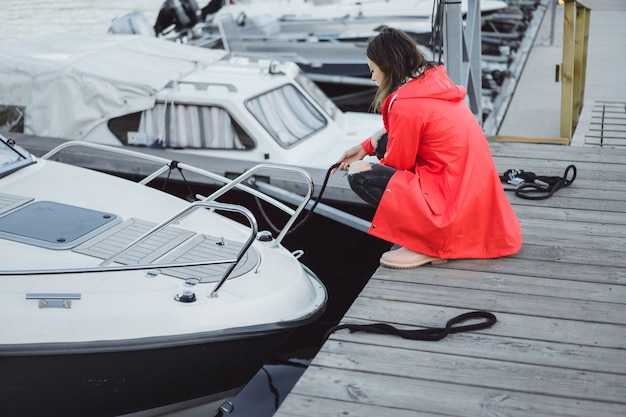
Dock-side recommendation: perform a dock-side hull feel and balance check with a light crew before any on-water test. Bring two children to sit on opposite sides to test weight distribution; if one side settles, rework seating or ballast. The hull should sit drawn and level at rest, with the deck feeling firm under light pressure from a steady hand. This step sharpens your skills and frames the consideration for the next moves.
On-water test: run three passes to verify trim response and stability. Start idle, then accelerate to planing, and finalize with a steady cruise at light load. Note engine RPM and GPS speed; watch for a smooth hook-up without porpoising or chine walk. If the bow rises with load, increase trim or move ballast forward; if the stern squats, shift weight aft or raise engine height.
Prop setup: explore an option such as a standard 3‑blade aluminum prop designed for your engine size; test the operating RPM and the speed achieved. A second prop with a wider blade or different pitch can improve planing or top-end, depending on your hull and load.
Documentation: take photos during each phase, log the decision data and performance metrics; review with an experienced technician to interpret hull behavior and prop response.
Decision and next steps: after the test, decide which adjustments to keep–seating arrangement, ballast, or prop selection; invest time into another test if necessary; store a home file of the results to compare to deals and options for your dream aluminum fishing boat.
Assess construction quality: welds, rivets, and corrosion resistance
Look yourself at the hull welds and rivets under bright light. If you find cracks, porosity, gaps, or misaligned bead lines, move on to another unit. There, these visible issues often signal fatigue that can matter later, especially on a sailboat that sees varied activity and moisture.
Welds should present a clean, continuous bead with uniform width and no undercutting or excessive heat-affected zones. A well-formed joint looks solid along the entire length, and you should not feel rough edges or leftover spatter when you rub a finger along the seam. If you notice inconsistencies, note the range of affected areas and test further or request a second look. For beginners, this step helps you compare options and make a purchase with confidence for your family on weekends, whether you’re chasing a calm day or a little open-water adventure.
Rivets should sit flush with the skin; heads should not mushroom or pull away. Check rivet spacing to confirm it matches the manufacturer’s design, and gently run a hand along each row to feel for loose or protruding points. If any rivets show gaps or sealant that looks degraded, treat it as a red flag, since corrosion can creep in around the edge and affect stability over time. Inspect fixed fittings along coamings, rails, and the masthead area to ensure they stay tight and have proper backing or backing plates where needed.
Corrosion resistance hinges on coatings, anodizing, and material compatibility. Look for even color and finish around edges, cleats, hand rails, and other hardware. Flaking, chalking, or chalky powder near fittings indicates accelerated wear and potential food for corrosion. If you see green or white residue, or you notice moisture marks that persist, there’s a reason to pause and recheck the setup. Also verify that fasteners and fittings use compatible alloys to reduce galvanic action when the boat sits in damp conditions or salt spray, which is common there on exposed decks and transoms. A careful check now saves time later and keeps space available for family use, kids included, without surprises during a day on the water.
| Aspect | Where to look | Good signs | What to do |
|---|---|---|---|
| Weld quality | along hull seams and joints | uniform bead, smooth transitions, no gaps | document, ask for rework or decline unit |
| Rivet condition | rivet rows, heads, and spacing | flush heads, no mushrooming, consistent spacing | tighten or replace faulty rivets; note for purchase decisions |
| Coating/corrosion resistance | edges, fittings, and fasteners | even color, no flaking or chalkiness | verify materials, consider another unit if signs persist |
| Hardware fit | cleats, rails, masthead connections | secure, backing plates present where needed | check compatibility of alloys to avoid galvanic corrosion |
Compare equipment packages: trolling motors, sonar, livewells, and casting decks
For most anglers, start with a 24V trolling motor delivering 80–112 lb thrust on a 16–20 ft aluminum boat, paired with CHIRP sonar on a 7–9 inch display. This setup gives safe, precise control and reliable fish finding during long cruises, with a manageable amount of battery life. Look for wireless control, a responsive foot pedal, and a transducer that covers shallow structure and open water to keep interest high as you move between spots.
When you compare packages, match the motor and sonar to the boat’s weight and planning needs. A 24V system with two deep-cycle batteries typically provides 4–6 hours of operation; choose a CHIRP 2D unit with 455/800 kHz and consider Side or Down Imaging on higher-end models if you’re chasing structure in murky water. For a larger boat or family cruiser, a 9–12 inch display improves visibility during day and evening excursions, events, and longer cruises. Check the источник of specs in the dealer sheet to verify thrust, current draw, and transducer type; this helps you avoid surprises during inspection and sale planning. Also consider that sails and wind can affect battery life and target acquisition on open water.
Livewells should hold 20–28 gallons for two anglers, with 800–1000 GPH aeration and a recirculation option that cycles water every 2–3 minutes. Insulate the walls and install a reliable drain system to keep things safe and odor-free on back-to-back fishing days. Casting decks should offer a front area about 40–60 inches long by 24–28 inches wide, with a non-slip surface and built-in storage underneath. A deck that’s too high or too soft reduces stability and makes those long casts harder; ensure the deck height matches your skills and seating layout for comfortable, stable casting performance.
In your planning, weigh options by your needs and situation: how many miles you’ll travel, how often you’ll run excursions, and what events you’ll attend with those boats. For common layouts, consider the sale price vs. long-term value, including installation and maintenance. youve got to balance needs with the boat’s size and your budget; avoid overload that makes handling and storage unsafe. If youre eyeing a particular model, check legal and inspection requirements for electrical and livewell installations before you sign, and use this process to move from those youve seen at events to a confident, informed decision.