


 Français
  English (UK)
  Русский
  العربية
  日本語
日本語  한국어
한국어  Magyar
  Türkçe
  Español
  Čeština
  Svenska
  Português
  Ελληνικά
  Suomi
Suomi  Nederlands
  Română
  Italiano
  Polski
  Українська
  Deutsch
  简体中文
简体中文  Slovenčina
  Marine Weather Patterns and Forecasting – A Deeper Dive for Sailors">

Always review the morning forecasts for your route and adjust your sail plan accordingly. This quick check helps you know when calms may linger and when brisk winds will build speeds along the course, guiding your navigation decisions and the vessel’s readiness.
Weather moves in formations shaped by pressure systems and thermal contrast; example, a passing trough can sharpen winds from the shore and alter seas. These cues often require you to time sail changes, adjust heading, and keep the vessel on track while you watch the seas for any sudden shifts, guided by nature’s signals and the sailors’ experience.
To forecast with confidence, use a small, repeatable process: check two reliable models, compare surface observations, and know your vessel’s performance. Spécifiquement track wind shifts, gusts, and sea turning, then adjust sails and speeds to suit cruising legs. Record how these changes affect the vessel’s trim and comfort.
During early morning windows, keep an eye on gust fronts approaching from the land, and watch for calms that can reduce boat speeds. Create a simple plan for the next two legs, mapping departure times, tacks, and sail adjustments so the crew stays coordinated.
Keep data current and share key updates with the crew; forecasts become practical when you translate them into concrete actions for every leg, from harbor to open sea. This approach supports calmer handling, safer navigation, and a smoother cruising experience.
Reading Zone Marine Forecasts: Wind, Gusts, and Speed Thresholds
Read the zone forecast and set your sail plan from the numbers: sustained wind, gusts, and their changing trend. For offshore passages on these voyages, reef early and keep a safety margin when gusts approach 30 knots. Use predictwind data and satellite updates to verify the forecast and shorten response time.
These forecasts provide direction, wind speeds, gusts, and water heights. Pressure trends and changing heights signal potential storms; a rapid drop in pressure with a shifting wind pattern often precedes gusty periods. In such windows, shorter legs, smaller sails, and a cautious course keep the crew safe and the boat balanced.
Interpreting wind speeds, gusts, and thresholds
- Sustained wind versus gusts: gusts typically add 20-40% to the sustained value; plan for gusts to reach the upper threshold.
- Gust thresholds: watch for gusts above 25 knots in light to moderate conditions; reef or adjust sails when gusts approach 30 knots offshore.
- Wave heights: 15–20 knots often produce 1–2 m waves; 25–30 knots can push 3–4 m, with larger sets during squalls.
- Symbols on the forecast: larger or bolder symbols indicate higher winds; these symbols mean less guesswork and quicker decisions.
- Direction: a steady wind path confirms risk of a front; a sudden shift in direction often precedes gusty bursts.
- Pressure trend: falling pressure is a warning sign for increasing winds and rougher water; rising pressure suggests improving conditions.
- Associated activity: combine wind, gusts, and wave height to judge boat handling needs and crew workload.
- robert’s tip: keep a simple log of wind shifts and sail trim to refine readings for these zones and future passages.
- Fish and wildlife: wind shifts and water roughness influence fishing spots and shore activity; plan lookouts accordingly.
- deer: coastal sightings remind you to remain vigilant near estuary approaches and crowded ramps during transitions between zones.
Practical steps for these voyages
- Before departure, set thresholds for each leg: reef when gusts exceed 28–30 knots, and choose smaller sails or revised course for offshore legs.
- During the leg, reef promptly if gusts break the set threshold; adjust heading to keep the breeze from the beam when possible to reduce heel and load.
- Use satellite data alongside the provided zone forecast to confirm stability; cross-check with predictwind for near-real-time updates.
- Monitor pressure trends: a 6–8 hPa drop in 6 hours usually signals a strengthening wind window; plan reefing steps in advance.
- Watch wave heights relative to wind: if water shows faster build toward 3–4 m, shorten the leg or seek sheltered water to reset the plan.
- Keep a simple log of wind direction changes and sail responses; robert’s approach helps you build a faster reaction routine for these voyages.
- In coastal zones, factor wildlife and shore activity into your lookout routine; use forecast signals to time transitions when the shoreline activity is calmer.
Interpreting Sea State: Waves, Swell, and Periods for Planning
Check the swell period and height now to set a safety-first cruising plan, then review pressure trends, storm systems, and the tide for your route.
Reading the Numbers: Waves, Swell, and Periods
Waves are generated locally by winds; swells originate from distant storm systems and can arrive beyond the immediate fetch, delivering a smoother roll. The period, in seconds, shows how quickly crests pass a fixed point and helps you estimate peak forces on the hull and rig. Generally, short periods (under 8 seconds) signal wind waves near shore, while longer periods (over 12 seconds) indicate long-period swells that persist beyond coastal shelves. Early forecast data from operators provide a range; then you compare this with sea-surface temperatures and wind direction to judge risk. robert, a seasoned cruiser, notes that reading the period helps you plan safe transit near river mouths and the shore. Provided you see sudden shifts in pressure or wind, expect sudden changes in wave height and plan safety margins. For coastal regions, animal behavior such as seabird patterns can hint at shifting conditions. Near the shore, lower water and tide can amplify energy. Always cross-check several sources and include a contingency plan for possible changes.
Planning in Practice for Sailors
To translate numbers into actions: identify the swell direction relative to your course, choose routes that keep the helm in manageable trim, and avoid attempting heavy maneuvers in shallow water near the shore or in tide-dominated channels. Always have a safety margin and a contingency plan, especially for cruising with multiple crew. Several options exist: delay departure for an early lull, reroute offshore, or seek sheltered harbors provided weather allows. In practice, rely on multiple forecast sources, compare models, and factor in temperatures and river outflows that modify wave energy. If the data comes from buoys and satellites, use it to guide decisions; didnt rely on a single source. This approach keeps sailors safe and helps you maintain course efficiency and safety.
Currents, Tides, and Coastal Impacts in Zone Forecasts
Plan passages to ride slack water windows; check the zone forecast for currents, tides, and coastal impacts at least 6 hours ahead to decide safe routes for inlets and shoals and avoid strong flows in short legs.
Current origins lie in tides, wind-driven flow, and offshore pressure systems. Inlets and coastlines create strong shear, and a front moving alongside the coast can cause rapid shifts in speed and direction within hours. Keep charts handy and compare with buoy data to confirm the forecasted trend.
Since the forecast depends on tide phase, fronts, and storm activity, the exact current speed varies; this matter informs navigation and helps you decide when to sail and how to adjust course. This is a critical input for risk assessment; an aspect of forecast use is recognizing how tides and fronts interact to raise or lower current strength and wave energy, yielding higher risk near headlands.
Precautions include timing passages for slack water, maintaining a wide margin from shoals, and having a contingency plan for gear damage or prop strikes. In narrow channels, do not push above 3–4 knots when a strong ebb is forecast; if showers and clouds approach, delay the move or seek shelter until winds ease.
Satellite data, radar, and surface observations provide information that helps you learn the timing of shifts and assess potential storm impacts. When a storm approaches, expect higher seas and more dynamic currents; use this to decide whether to sail now or hold until winds ease and the water stabilizes, sailing safely. Clouds, showers, and satellite cues together sharpen your navigation decisions and help protect gear from damage.
Weather Transitions: Fronts, Squalls, and Thunderstorm Risks
Identify the front ahead and set a plan now: note distance to the leading edge and track its progression across miles and routes. This knowledge gives mariners a clear basis for decisions and keeps you ready during the passage of a front. They play a key role in how you space the boat and coordinate with the crew; consider getting observations from more than one source to improve accuracy.
When a front crosses, expect wind shifts and rising seas: speeds change from 12-18 knots to 25-40 knots within 30-60 minutes, and wave heights can rise from 1.5-3 meters to 3-5 meters depending on fetch. Heavily loaded vessels should adjust sails et reduce speed early. Track the front using cross-referencing radar, barometer, and satellite data to confirm its passage and timing, and use distance cues like cloud trends to maintain accuracy where possible.
Squalls can accompany the front or ride along its passage, delivering sudden gusts and brief downpours that reduce visibility to under 2 miles. Gusts commonly reach 25-50 knots for 5- to 15-minute bursts; seas respond quickly and wind swings can approach 20-40 degrees. If youre navigating, precautions inclut le hissage de voiles, la sécurisation de l'équipement et la préparation de routes permettant de virer vers une meilleure route ou de modifier la vitesse du moteur. Maintenez l'équipage en alerte tout en surveillant les espaces dans la ligne où des cellules d'averses pourraient croiser votre trajectoire.
Les orages introduisent des risques supplémentaires : éclairs, descentes d'air et micro-rafales. Maintenez une distance de 10 à 20 miles du cœur le plus intense, et évitez de vous aligner avec l'orage où les vents peuvent s'engouffrer. Les cellules peuvent produire des vents soutenus de 40 à 60 nœuds et des rafales plus importantes ; suivez l'orage en utilisant le radar et en croisant les données pour maintenir accuracy et choisissez un itinéraire plus sûr sur le côté ou derrière la ligne. Le corps de la météo convective est dynamique, vous devriez donc vous attendre à des changements rapides et tenir toute l'équipe informée.
À travers ces transitions, partagez vos connaissances avec l'équipage pour rester soudés et maintenir des marges de sécurité intactes. Cette approche offre aux marins des informations pratiques qui transcendent les routes et les fuseaux horaires. En ayant un plan bien rodé, vous êtes mieux préparé à rester à distance des cellules les plus actives, à suivre leur passage et à ajuster votre itinéraire en conséquence. Rappelez-vous : la précision de l'évaluation du vent, la distance par rapport à la cellule et la probabilité de convection améliorent la sécurité et vous permettent de vous diriger vers le prochain point de passage avec confiance.
De la prévision au voyage : planification pratique de l'itinéraire et vérifications des risques
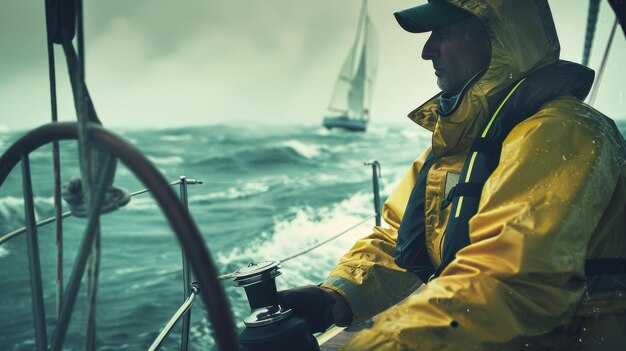
Vérifiez les dernières tendances barométriques et les prévisions de brise pour votre itinéraire, puis créez un tracé sûr qui vous maintient au-delà des dangers de récif et à l'abri des côtes.
Ce plan vous oblige à comparer les modèles et à prendre en compte les systèmes qui influencent les vents et les mers, y compris les origines de ces vents. Utilisez plusieurs prévisions et vérifiez auprès d'une source d'information locale fiable.
Définissez vos points de passage avec un accès précis aux abris sûrs ou aux entrées sur la côte ; notez les marges en secondes pour les empannages et les virages, et marquez les points de virage sur la carte avant de partir.
Anticiper les dangers : squalls tropicaux, mer agitée, récif et mouvements animaux près du rivage. Identifier les issues de secours potentielles si les conditions se détériorent.
Il ne devrait y avoir aucune conjecture lors de la définition des déclencheurs pour les changements. Vérifiez les détails de chaque jambe, y compris la direction du vent, la vitesse, l'état de la mer et la dérive de la pression barométrique sur des minutes.
Accéder aux données de marée et de courant ; consulter les périodes de marée à l’aube ou la nuit ; planifier le départ après la renverse de marée près du rivage pour maximiser la maniabilité et la sécurité.
Marges de sécurité : rester à au moins 2 milles nautiques des bordures de récifs et 1,5 mille nautique des hauts-fonds, éviter le trafic et maintenir une marge de sécurité confortable par rapport à la côte et au pont.
Établir un plan parallèle : si les conditions météorologiques annoncées se détériorent, passer à une route parallèle vers la prochaine rive ou abri protégé et enregistrer le parcours alternatif dans votre journal de bord.
La connaissance de l'approche, combinée à une culture prévisionnelle pratique, renforce la confiance. Surveillez les changements du taux barométrique, les alertes tropicales et les mises à jour de la direction du vent afin de pouvoir vous adapter en temps réel.
Les opérations nocturnes nécessitent une veille disciplinée : réduire la vitesse, effectuer des vérifications de cap, anticiper les reflets éblouissants, utiliser un éclairage approprié et rester vigilant quant aux chop et aux courants.