


 Français
  English (UK)
  Русский
  العربية
  日本語
日本語  한국어
한국어  Magyar
  Türkçe
  Español
  Čeština
  Svenska
  Português
  Ελληνικά
  Suomi
Suomi  Nederlands
  Română
  Italiano
  Polski
  Українська
  Deutsch
  简体中文
简体中文  Slovenčina
  Green Boating Guide – Practical Tips for Eco-Conscious Boaters">

Pre-trip readiness reduces contamination. Have a compact spill kit ready near the outboard area and ensure oil, fuel, and cleaning supplies are sealed. Use biodegradable detergents where cleaning is needed, and keep a mat to catch any spreading oils. This approach meets a need to protect wildlife, keeps water clean, and protects the floor.
Engine care boosts efficiency. Keep the propulsion system tuned and hoses in good shape; choose fuels and lubricants that are biodegradable or certified non-toxic, and verify that any cleaners do not contain dangerous additives. Regular checks help you spot leaks, reducing the number of oil spills and speeding cleanup if needed. Running with a damaged seal wastes fuel and harms water.
Wastewater handling matters. Discharge must occur only in designated areas, never below the waterline. Collect wastewater in a dedicated container and pump-out at facilities that accept it. Keep bilge contents separate from fuel; ensure that cleaners do not contain toxins. If a spill occurs, absorb and transfer waste to a designated disposal bin.
Designated storage and materials. Store oils and fuels in sealed containers, keep them in a ventilated, shaded area on land using a trailer to transport. Double-check caps to avoid spills; floor mats catch drips and can be washed with low-impact, biodegradable cleaners. Do not mix used oil with other waste; use a proper recycling channel.
Gear, fishing, and cleanliness on deck. Keep fishing lines, hooks, and gear dry and stored in a designated bin. Clean gear with biodegradable products when possible, and avoid cleaners that contain toxic additives. Spread love for water by keeping hull and deck slick-free, and use non-toxic detergents to protect wildlife.
Track progress with data. Record the number of spills avoided, fuel saved, and hours of operation without releasing wastewater. This helps you build a consistent practice that is as much about respect as convenience, and it strengthens trust with fellow sailors who love water.
A Guide to Green Boating – Tips for Boaters With an Environmental Conscience
Plug into shore power at a marina when docked to erase engine idling and lower emissions. Maintain a cleaner electrical setup by selecting energy-efficient appliances and scheduling high-draw tasks during times when grid power is available, minimizing time on the boat’s genset. Adopt a general maintenance mindset to track filters, hoses, and connections. This approach makes a difference.
Detailing protocol: choose biodegradable cleaners, never spray onto the water; rinse all surfaces with white rinse water after cleaning; store liquids in sealed containers at shops.
Drainage controls: never discharge blackwater; use pump-out stations at marina; minimize drain volumes by scheduling deck-waste tasks while docking and using holding tanks.
Fueling practices: refuel at designated docks, keep vents closed during transfer, and inspect hoses for leaks; use fuels with lower sulfur content when available; these steps reduce emissions and protect the waterway. These steps save lots of fuel and protect water quality.
Advanced systems: consider electric or hybrid propulsion, and add smart engine-management to cut runtime; monitor battery health with durable sensors; these technologies appear where efficiency gains are measured and emissions drop. In nautical contexts, such upgrades align with general advances in the field.
Regulations and community: stay updated with regulations across marina zones; enthusiasts share experiences through networks; If youre evaluating upgrades, these communities would point you toward practical options; trust credible sources when selecting gear; источник лучших практик guides decisions; beane initiatives push the market toward low-emission gear; enter certification programs to validate performance.
Does Sailing Cause Pollution? Practical Ways to Minimize Onboard Emissions
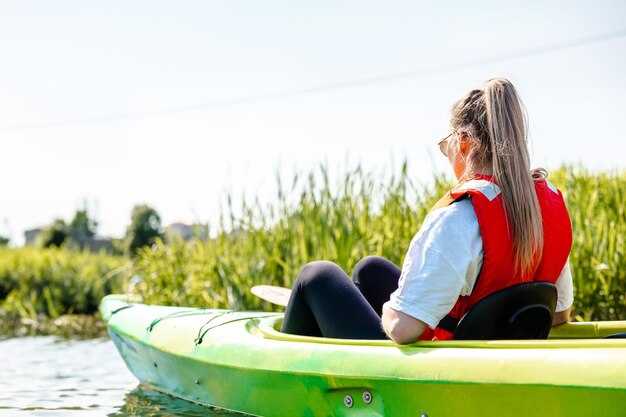
Upgrade to a modern, high-efficiency outboard engine and schedule regular maintenance; modern four-stroke or direct-injection units cut hydrocarbons and NOx emissions by up to 60% and reduce fuel use by 20–40% compared with older two-stroke designs. This change might noticeably shrink your environmental footprint while prolonging engine life.
- Fueling discipline: use spill-free nozzles and a stable setup; place a drip mat under fueling, never top off the tank, and promptly clean up drips with biodegradable absorbents; store fuel only in an approved tank; manage graywater and bilge liquids away from oceans and waterbodies.
- Engine and hull maintenance: keep the hull free of marine growth to reduce drag; clean the hull at the dock, inspect the exhaust and cooling systems, and replace worn gear to maintain high efficiency; a smooth floor and well-lubricated bearings minimize resistance.
- Waste and graywater management: install a dedicated holding tank or pump-out system; use biodegradable detergents and avoid discharging contaminated graywater anywhere waterbodies; plan trips to permit regular pump-outs and to prevent buildup of contaminants.
- Storage and transport: transport on trailers with secure fuel storage; inspect connections to prevent leaks during road transport; keep spill-resistant containers; this reduces the risk of leakage during fueling or movement.
- General practices: recycling of used oil and filters through approved channels; beware outdated oils and solvents; choose gear and lubricants with low toxicity, as recommended by builders; follow local rules to prevent contamination of the marine environment; learn the regulations and keep receipts as proof of compliance.
Keep in mind that tiny drips and venting can accumulate; prevention and careful handling break the chain of pollution. By making these choices, you love the oceans and waterbodies, and the effort becomes a habit that can be taught to fellow crew and sport enthusiasts. If you maintain the tank, stay aware of contaminated liquids, and keep the number of fueling incidents low, you reduce emissions, cut drag, and keep your craft performing well around coasts, lakes, and rivers.
Biodegradable Product Labels: Are They All the Same?
Choose labels backed by third-party verification and explicit disposal conditions. Learn to read certifications and compare timelines, since biodegradable does not imply quick or harmless breakdown in all settings, including boat environments, near shorelines, and landfills. Avoid items that accumulate on land.
Biodegradability depends on environment. Some labels denote industrial composting only; others claim home compostability but require high heat or specific moisture. In waterbodies, many items degrade slowly and can release microplastics or invasive fragments. Look for logos from recognized schemes and note whether breakdown happen in waterbodies, bottom sediments, or land. Plus, verify the designated disposal path: some materials break down in a compost stream, but breakdown may not happen in showers, on decks, or near the hull. Understand the difference between terms such as biodegradable, compostable, and marine-degradable; check the conditions under which each claim holds.
To evaluate items, builders and owners should document the design and intended disposal path; if an item is marketed as biodegradable, ensure it is designated to industrial compost or home compost depending on the local waste stream. When near shorelines or aquatic zones, prefer products that are certified to marine conditions; otherwise avoid using them on boat surfaces, cleaners, or bottom coatings that may enter wastewater. Only bring gear that carries clear data, and look at packaging and labeling to verify when and where breakdown happens.
Onboard steps: look at packaging, verify designated guidelines, and learn how the waste stream will handle the item. Include items such as cleaners, showers, and personal care products labeled with marine contexts. Builders and owners should plan a designated waste path and maintain onboard storage to avoid cross-contamination through wastewater. Plus, keep a list of items to replace with true biodegradable alternatives, and bring a small generator if used, ensuring disposal of residues does not rely on non-certified packaging. Look for items that clearly state where breakdown occurs and which waste stream will handle the remaining material.
Green Cleaning Onboard: Safe, Non-Toxic Substitutes
Start with a three-part kit: baking soda paste (3:1 baking soda to water) to tackle dirt, white vinegar diluted 1:1 for mineral build-up, and biodegradable Castile soap used on general surfaces. This non-toxic lineup handles common grime without hazard and wont generate harsh runoff. Store in refillable plastic bottles, away from sunlight, and clearly label each container.
Here, keep the setup compact: rinse residue promptly after use and rinse tools between tasks. This approach minimizes discharge into the marina’s water and protects nearby habitats. Use a dedicated bucket for rinsing to prevent cross-contamination.
Choose biodegradable, phosphate-free cleaners near showers and sinks. These choices reduce harms to habitats and lower blackwater risks when cleaning aboard. Always read instructions on labels to prevent accidental chemical interactions that could release hazardous fumes.
Do not mix bleach with ammonia; life-threatening fumes can occur. Avoid traditional, petroleum-based products; plant-based options maintain safer conditions for life around docks and marine life.
| Substitute | Notes |
|---|---|
| Baking soda paste | Grime on non-porous surfaces; mix 3:1 baking soda to water; safe on plastic, glass, metal; avoid aluminum with vinegar. |
| White vinegar | Mineral build-up; use diluted 1:1 with water; not on stone surfaces; rinse thoroughly; avoid mixing with bleach. |
| Biodegradable Castile soap | All-purpose cleaner; dilute in water; suitable on showers, counters; rinse well to prevent film. |
| Biodegradable spray cleaners | Phosphate-free options; safe around marina habitats; ensure labeling indicates biodegradability. |
| Nettoyants enzymatiques | Décompose les taches organiques près des zones de déchets ; élimination sûre pour éviter les rejets d'eaux noires ; vérifier la compatibilité de la surface. |
Alternatives aux produits toxiques : améliorations faciles pour votre bateau
Passez à une trousse de nettoyage compacte et non toxique : vinaigre blanc, bicarbonate de soude et savon de Castille à base de plantes ; remplacez les bouteilles vaporisatrices en plastique par une bouteille en acier inoxydable rechargeable ; gardez un flacon de rechange étiqueté à bord et rangez-les dans une poubelle désignée.
Choisissez des produits de nettoyage biodégradables et à faible toxicité, ainsi que des produits d'entretien à base d'eau ; les options respectueuses de l'environnement réduisent l'exposition ; sélectionnez des peintures anti-fouling avec des formulations sans cuivre ; suivez les instructions et appliquez uniquement dans une zone ombragée afin de minimiser le risque d'inhalation et la libération de COV.
Mettre en œuvre la gestion des eaux grises : transporter un réservoir ou un bassin portable pour les eaux grises ; laver les coques au-dessus d’un seau, puis les déverser dans des installations côtières ; ne jamais rejeter d’eau de lavage non traitée dans les mers.
Dissoudre la crasse avec des nettoyants naturels : pâte de bicarbonate de soude ; vinaigre blanc dilué ; rincer à l'eau fraîche ; éviter les blanchissants chlorés qui persistent dans les déchets plastiques.
Substituts toxiques : évitez les solvants nocifs comme l'essence minérale ; passez à des dégraissants à base d'eau ; assurez la sécurité en lisant les instructions ; aérez la cabine pendant l'utilisation.
Améliorations de l'équipement : remplacer les contenants en plastique à usage unique par des cruches en métal rechargeables ; opter pour des bocaux en verre lorsque cela est possible ; stocker avec des couvercles étanches, à l'écart des équipements de carburant ; maintenir un système étanche.
Gestion des déchets sur les remorques : maintenir les déchets séparés ; utiliser des sacs réutilisables ; utiliser un chariot mobile sur les remorques pour déplacer les articles à terre ; programmer des vérifications hebdomadaires sur les semaines.
Les plaisanciers doivent comprendre les ressources de Boatus ; combiner deux améliorations ou plus pour obtenir un impact vert supérieur à celui d'un seul changement ; partager les résultats avec eux au sein des communautés nautiques et de plaisance.
Partenariats et actions Marina : Les programmes écologiques de Van Isle Marina
Recommandation : Déployer un programme de partenariat écologique à l'échelle du port de 8 semaines, ancré par trois axes d'action : la sécurité du ravitaillement et la prévention des déversements, la transition vers des nettoyants biodégradables et un système de gestion des déchets qui suit les sources de déchets au point de génération.
Dans les zones de ravitaillement, installez des tapis imperméables, des tampons absorbants et une trousse de déversement dédiée ; formez les équipages à isoler les chiffons contaminés et à ne jamais mélanger les déchets huileux avec l'eau de cale. Établissez des vérifications régulières pour vérifier la rétention autour des tuyaux et des buses, minimisant l'exposition potentiellement mortelle pendant les opérations de ravitaillement.
Pour limiter la saleté et la contamination de surface, passez à des nettoyants à base d'eau et biodégradables ; désignez un récipient séparé et étiqueté contenant des résidus dangereux et assurez-vous d'une élimination appropriée par le biais de sources locales certifiées ; mettez en œuvre une rétention secondaire lors de la peinture des navires ou de l'application de revêtements près de l'eau afin d'empêcher les contaminants de se déplacer vers les douches et autres zones de travail actives.
S'associer avec les fournisseurs et les autorités locales pour créer une approche en circuit fermé : recycler les plastiques, les métaux et le carton ; collecter les huiles usagées et l'antigel dans des filières de récupération agréées ; s'orienter vers des sources d'énergie renouvelables chaque fois que possible afin de réduire l'empreinte d'une marina et de soutenir les économies locales.
Suivre les performances grâce à des indicateurs clairs : consommation de carburant par bateau amarré, intensité énergétique des installations et déchets détournés des décharges. Publier les résultats mensuels, ajuster les objectifs et prolonger la durée de vie des équipements en effectuant une maintenance préventive sur les pompes, les filtres et l'éclairage. Utiliser un logo visible sur la signalétique et les EPI pour signaler la conformité et guider le comportement de toutes les équipes. Tous les membres d'équipage pourront signaler les déversements via un simple formulaire mobile, permettant une réponse rapide.
Engagez les marins et les équipages avec des étapes pratiques : installez des douches étiquetées équipées de dispositifs d'économie d'eau, fournissez des articles de toilette biodégradables et maintenez un planning de peinture et de nettoyage qui minimise le ruissellement. Découvrez régulièrement de nouvelles sources d'amélioration en recueillant les commentaires des partenaires locaux et en examinant les registres d'incidents qui révèlent des risques liés aux matières dangereuses ou des événements de contamination de l'eau.