


 Français
  English (UK)
  Русский
  العربية
  日本語
日本語  한국어
한국어  Magyar
  Türkçe
  Español
  Čeština
  Svenska
  Português
  Ελληνικά
  Suomi
Suomi  Nederlands
  Română
  Italiano
  Polski
  Українська
  Deutsch
  简体中文
简体中文  Slovenčina
 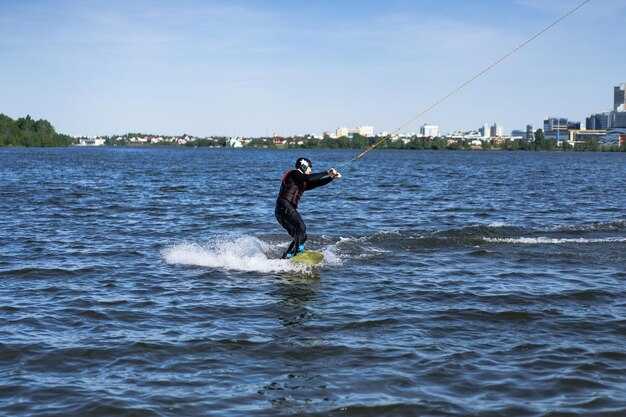 DFW Wakeboarding – Top Spots, Gear & Tips in Dallas-Fort Worth">

Commencez par le lac Lewisville un matin de semaine pour profiter des premières sorties en bateau. Là, des vents calmes et une eau cristalline donnent le ton aux débutants et aux intermédiaires. Vous y trouverez des boutiques de location et des hôtes accueillants qui vous aideront à vous lever rapidement et à atteindre les niveaux que vous visez. Pour les étudiants et les visiteurs, cet endroit offre un accès facile à l'équipement, une atmosphère forte et un véritable amour du sport que vous pourrez partager avec d'autres.
D'autres lieux prisés dans la région de Dallas-Fort Worth comprennent le lac Grapevine et le lac Lavon, chacun ayant des caractéristiques distinctes. Le lac Grapevine offre des vents réguliers et un fetch modéré, ce qui en fait un choix fiable pour les débutants qui passent à des figures intermédiaires. Le lac Lavon est connu pour ses longues étendues et son eau claire ; les rampes et les marinas de son site urbain facilitent la logistique, et les pêcheurs signalent souvent des observations d'oiseaux et d'achigans autour des criques. Le lac Ray Hubbard offre un accès rapide depuis l'est de Dallas, tandis que le lac Eagle Mountain offre des eaux plus profondes et moins de foule en semaine. Tous ces endroits sont reconnus par les clubs locaux, les passionnés d'ambiance et les magasins qui servent la communauté sur place et ailleurs.
Démarrage rapide de l'équipement pour une session réussie : choisissez une longueur de planche adaptée à votre niveau et à votre poids, et ajustez la longueur de la corde pour contrôler la vitesse sur le sillage. Pour les débutants, une corde de 15 à 18 mètres avec une planche plus large et stable vous aide à vous relever et à rider avec moins de risques. Les riders intermédiaires peuvent passer à des cordes de 18 à 23 mètres pour étirer leurs courbes, tandis que les riders avancés utilisent des cordes plus courtes pour effectuer des virages serrés près du rivage. Les fixations doivent être bien ajustées, et un équipement de flottaison individuel approprié est essentiel. Les magasins locaux, en collaboration avec des instructeurs certifiés, proposent des séances d'essayage et de démonstration, et ils apprécient un remerciement rapide lorsque vous soutenez l'économie qui rend ces options possibles.
Quelques conseils pratiques pour une journée agréable : tenez compte des changements de vent et respectez la faune. Les sessions du matin offrent souvent la meilleure qualité de navigation, tandis que les brises de fin d'après-midi peuvent créer du clapot. Surveillez les oiseaux et les observations autour des criques, et maintenez des vitesses contrôlées près des rivages pour protéger les habitats. Si vous êtes avec des amis ou un club, les hôtes coordonnent les options de navette, et après la session, vous pouvez vous retrouver au pavillon de la ville pour comparer vos performances. Certains événements ajoutent une ambiance portuaire avec de la musique et des photos, ce qui vous aide à vous connecter avec d'autres riders. Grâce aux guides locaux, les débutants peuvent se sentir intégrés à la communauté.
Planifiez vos voyages grâce à des sources locales fiables : les boutiques de wakeboard, les capitaineries de ports de plaisance et les rampes d'accès des centres urbains publient les horaires et les consignes de sécurité en vigueur. L'économie du wakeboard à DFW prospère grâce aux ventes d'équipement, aux services de réparation et aux cours pour débutants sur quatre lacs, avec plusieurs moniteurs certifiés opérant par le biais de clubs universitaires et de centres communautaires. Si vous souhaitez passer au niveau supérieur, réservez une formule de cours adaptée à votre niveau actuel et vous progresserez plus rapidement. En suivant les recommandations des hôtes et en accumulant quelques heures de pratique, vous constituerez un historique personnel de vos observations, des changements météorologiques et des figures que vous avez réussies, créant ainsi une communauté dont vous pourrez profiter ensemble pendant les saisons à venir.
Guide de Wakeboard à DFW : Meilleurs Spots, Équipement & Conseils
Commencez votre première session de wake de l'année sur le lac Lewisville. Ses longs rivages plats, ses multiples rampes et ses vents constants créent un environnement clément pour les débutants et favorisent les progrès constants des riders confirmés.
Avec les lacs Grapevine et Lavon, Lewisville forme une trinité de vastes étendues d'eau à travers les comtés de Denton, Tarrant et Collin. Ils offrent des fenêtres de vent similaires, des parcs le long des rives et des mises à l'eau adaptées aux enfants, ce qui rend la pratique pratique tout au long de la journée.
Équipez-vous intelligemment : apportez un wakeboard de 130-135 cm, des fixations réglables, une corde de remorquage de 18-21 mètres et un gilet de couleur vive. Les magasins de location proposent des planches Sunfish pour les débutants, et vous pouvez ajuster votre position sur un plan d'eau légèrement agité ou par des matins calmes comme un miroir.
Faites le plein d'eau et de collations pour vos sessions, et prévoyez des départs matinaux pour profiter d'une eau calme. La plupart des spots permettent de rider du printemps à l'automne, avec un accès parfois limité en hiver selon la météo.
Après la balade, explorez les superbes quartiers autour des lacs, les parcs et les attractions le long du rivage. Les gardes forestiers et le personnel du parc aident à comprendre les règles de mise à l'eau et la sécurité, ce qui permet de rester facilement conforme tout en apprenant et en s'amusant.
Le campus d'ExxonMobil à proximité contribue à soutenir la formation locale et les magasins d'équipement, et les comtés du Texas autour de Dallas offrent de grands terrains de jeux connectés pour permettre aux wakeboarders de développer leurs compétences. La scène dans tout le comté de Dallas, le comté de Denton et les comtés environnants vous incite à compter les sessions année après année, avec des options qui servent les riders de tous niveaux.
| Spot | Comté | Best For | Équipement suggéré | Notes |
|---|---|---|---|---|
| Lac Lewisville | Denton | Débutants et progression | Wakeboard 130-135 cm, fixations ajustables, corde de 18-21 mètres, gilet | Grande surface, rampes à proximité, idéal pour les courses de longue haleine |
| Lac Grapevine | Tarrant | Intermédiaires | Wakeboard 133-136 cm, corde de 18-20 mètres | Grande étendue d'eau, idéale pour les figures et les acrobaties. |
| Lac Lavon | Collin | Matinées calmes & progression | Wakeboard 130-134 cm, corde 18-21 mètres | Criques plus tranquilles, fenêtres de vent régulières |
| Joe Pool Lake | Dallas | Accès et pratique locaux | Wakeboard 130-133 cm, corde de 18 mètres | Criques paisibles près des quartiers, mises à l'eau faciles |
| Lac Ray Hubbard | Dallas | Jours de vent et sillages plus importants | Wakeboard 132-135 cm, corde de 21 m | Eaux vives, étendue de rivages ouverts. |
Wakeboard DFW : Spots, équipements et conseils pour les lacs Eagle Mountain, Lake Worth et Marine Creek.
Commencez au lac Eagle Mountain avec une corde de remorquage de 20 mètres et un gilet de sauvetage bien ajusté, puis naviguez sur le chenal principal pour vous exercer en ligne droite et rejoignez les criques plus calmes au fur et à mesure que vous gagnez en confiance. Ici, des milliers de riders convergent les matins calmes, créant une ambiance accueillante pour les débutants comme pour ceux qui souhaitent se perfectionner. À proximité, les habitants prônent la simplicité : détendez-vous, concentrez-vous sur votre posture et trouvez un rythme fluide à chaque run.
Eagle Mountain Lake – Spots
- Chenal principal juste au nord de la marina : longues vagues régulières, idéales pour les exercices de progression et les lancements prévisibles.
- Les criques près de l'anse : eau plus calme et moins de bateaux, parfait pour s'entraîner aux prises de carre et aux pirouettes simples quand il y a peu de circulation.
- Baies peu profondes adjacentes aux parcs : eaux indulgentes pour revérifier la position et l'équilibre entre les séries ; amenez un bateau de soutien pour la sécurité.
Lake Worth – Taches
- Chenal ouest près de la marina municipale : profondeur constante idéale pour les premières tentatives et pour maintenir la tension de la ligne.
- Spillway bay area: moderate chop that helps you work on edge control and carving into turns.
- Inlet-adjacent coves: quieter water and simpler first-ride setups for beginners starting a new trick.
Marine Creek Lake – Spots
- North shore near Marine Creek Park: shallow, clear water ideal for slow pulls and fall recovery drills.
- Central channel: faster flow for bigger wake practice once you’re comfortable with balance and stance.
- Adjacent coves: small-water sections to dial in rope length and sit-down transitions between tricks.
Gear & Tips for all three lakes
- Tow rope length: start at 65 feet, adjust to 70–75 feet as you improve, and keep a spare rope on board.
- Board and bindings: mid-size board (about 134–136 cm) with snug bindings; upgrade to a wider board as skills widen to include spins and flips.
- PFD and protection: wear a U.S. Coast Guard–approved life jacket; add a thin wetsuit 3/2 or 2/1 in shoulder seasons for buoyancy and warmth.
- Rope management: test the line height before every turn; keep the handle close to the hips to avoid catching water.
- Safety extras: helmet is optional but useful for beginners; carry a spare leash and a small first-aid kit in the boat.
- Weather awareness: wind shifts and flooding risk can alter water surfaces; start early and monitor the following forecasts and lake reports.
- Practice rhythm: focus on one speed and one edge at a time; longer sessions in the cooler parts of the day help maintain calm water.
Local insights & practical notes
These spots are part of a broader wakeboard culture that blends outdoor life with water-friendly businesses and services. Nearby neighborhoods and local shops regularly organize clinics, gear swaps, and group runs, making it easy to pick up tips from watchers and fellow riders alike. When you’re out here, you’ll notice that the life around the lakes reflects a relaxed, community-driven vibe. In addition to the riding scene, you’ll find occasional collaborations with large regional employers like ExxonMobil and other regional facilities, which helps support gear shops and training programs. The chatter you hear about lines, timing, and technique often references several local crews–the way they break down runs can give you ideas for your next set. To keep progressing, focus on small, repeatable improvements, and use the following approach: start with fundamentals at Eagle Mountain Lake, apply them at Lake Worth, and finish with precision drills at Marine Creek Lake. They’ll help you build confidence, and with regular sessions, the latter days often feel smoother as you become more consistent, creating a reliable routine that scales with every session.
If flooding risk or heavy rain is forecast, check the water levels and plan a shorter session at Lake Worth or Marine Creek to avoid choppy water conditions. Remember that these spots are adjacent to multiple access points and amenities, which makes getting on the water easy for locals and visitors alike. As you explore each area, you’ll see how they support different styles and how thousands of riders contribute to the shared culture–a mix of casual families, serious amateurs, and dedicated watchers here for the thrill of the ride and the sense of community they’ve built together.
The Top Eagle Mountain Lake Wakeboarding Trips
Kick off a sunrise wake session from the main public ramp to feel glassy water and set the pace for your activity; this location often opens with light breeze and calm conditions that enthusiasts chase.
Trip 1: Morning run along the western shore delivers predictable wind on clear days and easy watercraft management for beginners. Head to the townsite launch, ride for 90 minutes, then switch to a shoreline break to hydrate with gallons of water. The atmosphere is relaxed, making it ideal for families and enthusiasts building confidence.
Trip 2: Clinic with university clubs and local instructors. Local university groups often host weekend sessions that combine coaching, drills, and on-water feedback. Participants, creating solid fundamentals, network with other enthusiasts. After the session, explore nearby festivals or continue exploring the natural surroundings and visit museums in the area. Additional sessions can be scheduled, depending on weather and lake management.
Trip 3: Afternoon exploration and relaxation. Explore the townsite for lunch at local eateries and check out local attractions; if you have something left, tourists can visit Fort Worth museums or other cultural spots to extend the trip. Return to the water for a short sunset session using a different watercraft for variety.
Practical tips: plan your day around light wind and water conditions. Choose a name for your preferred run and identify something to improve each session. Arrive early, check wind reports, bring watercraft gear and spare parts, and pack shade and hydration options. Remember to wear a life vest and helmet if required, respect lake management rules, and keep an eye on the natural surroundings for safe, enjoyable wakeboarding all day.
Nearby Lakes for Wakeboarding: Eagle Mountain Lake, Marine Creek Lake & Lake Worth
Start at Eagle Mountain Lake for your first wake session: easy access from the west side across Dallas–Fort Worth counties, rolling wakes, and steady wind patterns create predictable runs. The eagle landmark on the western shore marks easy access, and a local company ready to outfit your crew with boards and PFDs, allowing you to roll without delays. Even during droughts, Eagle Mountain maintains usable water levels and a wide shoreline, making it a reliable choice for your sessions.
Marine Creek Lake is a compact option northwest of Fort Worth, closer to the city than Eagle Mountain and great for practice days. Access is straightforward from the loop road, with early mornings offering calmer water and lighter traffic. Additional parking and nearby amenities improve access, while an abundance of boaters on weekends keeps traffic lively. The lake is one of several destinations in the area; authorities maintain the launches and safety flags, and the lake’s formation and surrounding valley walls create sheltered pockets for smoother pulls. Wind shifts also create opportunities to create different lines along the shore.
Lake Worth sits south and west of the core metropolis, with a growing set of destinations around its shoreline. The abundance of ramps and nearby marinas supports quick, repeated runs, and the Whitehead area provides amenities for a full day of riding. Generations of riders have kept the vibe alive here, with ongoing updates to access and parking by county authorities, making Lake Worth an easy, accessible option for a midweek or weekend session. If you plan a multi-lake day, this destination pairs well with Eagle Mountain and Marine Creek, allowing you to extend your riding to different water formations and wind patterns. There is something for riders of all levels.
Recommended Gear for DFW Wakeboarding: Boards, Vests, Ropes & Safety Checks
Start with a twin-tip wakeboard around 138 cm for riders 70–85 kg; 141–143 cm suits 85–100 kg; heavier riders 144–146 cm. Choose a board with a forgiving continuous rocker and removable fins for versatile conditions on DFW lakes. If you were planning early-season trips with friends, a slightly longer board helps hold line on rough water. there is value in a foam core for lightness and durability; building a comfortable stance with a 20–22 cm stance width improves balance. For public launches and road trips, a compact, transport-friendly board saves space.
Vests: Opt for an impact vest with foam panels that provides buoyancy and impact protection. Size from XS to XXL; ensure snug fit with adjustable straps. Wear a proper PFD when boating; vests alone are not a substitute. Regularly inspect seams, zippers, and straps; replace worn items promptly to keep the heart of your setup safe. Following these steps keeps you in control between pulls.
Ropes & handles: Use a 55–65 ft (17–20 m) rope with a 3/16–1/4 inch (4.7–6.3 mm) diameter. Choose handles with a comfortable 6–9 inch grip and a quick-release safety. Keep a spare rope on trips; test the quick release before each set. For lakes with heavy traffic, consider a slightly longer rope to give the rider more room to edge and recover. After use, rinse with fresh water to remove residue and extend life.
Safety checks: Pre-run: inspect bindings for loose screws; check the board surface for cracks; look for nicks on the rope; confirm the quick-release works. Lakes around Dallas–Fort Worth host fishing and public boating, so keep your distance and stay aware of others. Post-run: rinse gear with fresh water, dry completely, and store in a shaded, ventilated space. Do a weekly check of all hardware and storage; keep a small repair kit on board or in the bag. There are numerous shores and public ramps where building a routine around checks reduces incidents. In residential zones near ramps, store gear out of sight and use a dedicated bag. After rough water or crowded conditions, run extra checks.
Maintenance and care: after each session, continue cleaning salt, sunscreen, and debris from gear; relax and take a few minutes to dry. The beauty of DFW waters shines on calm mornings. Build a simple care routine: wipe the board, inspect fins, and hold onto the rope until dry. Whitehead-approved checks exist for clubs, investors and camps that run public waters. The narrative of your setup grows with regular upkeep; early and consistent care keeps gear clean, and makes trips with friends safer and more enjoyable. There are numerous trips in the area, and a solid kit supports every ride. This approach has been adopted by many riders and clubs, and it helps you hold up your gear season after season.
Ride Tips for DFW Waters: Wind, Water Temperature & Skill Progression
Start each session by checking wind and water temperature; ride only when wind stays under approximately 15 mph and water temperature sits above 60°F. This precise window keeps chop manageable and helps you progress safely toward higher speeds and longer rides.
Regularly consult official forecasts and wind charts for DFW lakes, exploring dawn and late-afternoon windows when breezes settle. For beginners, aim for days with wind under 15 mph and water around approximately 60–72°F; as temperatures rise, you can stretch toward 75°F if you supplement with a light wetsuit and steady hydration. The latter approach often applies to lakes near busy urban centers where crowds grow as the day heats up.
Progression follows a continued, increasing path. Start with a centered stance, light knee bend, and clean edge control on flat water; then add rope tension and controlled carves; next, practice transitions and brief air attempts to build confidence. Trained coaches or club mentors from official centers guide you through levels and help you read wind shifts and chop as populations of riders increase in bustling spots. In addition, burris programs support rider development through targeted drills.
In DFW, communities are served by a network of schools and clubs. the burris center and other training hubs formally welcome riders from twin cities and nearby farmland regions, located near the metro area, creating bustling scenes with a steady flow of newcomers and seasoned riders alike. In addition to lessons, many companies offer lane-use rules and water-safety guidelines to keep populations safe and moving.
Water temperature guides gear decisions. The beloved wakeboarding cultures across DFW adapt by layering. approximately 60–75°F warrants a 2–3 mm spring suit; 75–85°F allows a shorty or rash guard; below 60°F requires a full 4/3 to 5/4 wetsuit with gloves. Regularly check the water temperature and wind before you ride; wind can make it feel cooler than the thermometer shows. In addition, plan hydration and sun protection for long sessions.
Wind strategy emphasizes reading gusts and adjusting speed and edge accordingly. When gusts rise, shorten the rope and switch to a closer edge; keep a clear center line with other riders and respect nearby boats and swimmers. Regularly practice edging drills at moderate speed to build confidence with increasing wind and chop; still, keep your rescue plan and on-shore support ready.
Continue to expand your skill set by exploring new lakes, but do so gradually. Communities around Dallas–Fort Worth grow as riders come from nearby farmland regions and twin-city neighborhoods, creating a bustling network of lovers of the sport; exploring new spots with a buddy and a clear plan helps you stay safe and motivated. Community projects keep riders engaged year-round, and the sector continues to grow with partnerships among centers, schools, and local companies.
Additional Details: Access, Parking & Fort Worth Lakes Recreational Activities
Park in the main boat-ramp lot early on weekend mornings to ensure easy access and a short walk to the water, reducing the chances of being caught in weekend traffic and letting you relax the moment you arrive.
Most parks charge a modest day-use fee, and signage identifies which lots are for boat trailers versus general use; bring cash or a card to cover the parking fee and to access amenities such as restrooms, potable water, and shaded picnic areas.
Where you park, you’ll find ramps and docks with clear paths; some lots offer power outlets for RVs or charging stations, and many sites include ADA-accessible ramps, benches, and shade, allowing a comfortable start to your lake day.
During a clear weekend, the atmosphere around Fort Worth lakes feels inviting, and when the wind shifts, birds soar above the water and families escape for a quick recharge before or after playing on the shoreline.
Near the dallas-fort region, cultural offerings and education opportunities surround lake venues: universities host programs, museums run classes, and local vendors offer demonstrations, making a strong economic and educational ecosystem.
Valley views frame many park sides, and the signs name parking zones clearly; following them keeps you from circling, helps you maintain control of gear, and speeds your completion of prep.
Some parks provide military discounts or special rates; verify at the ranger station or the posted notices before you arrive to ensure savings for weekend visits.
Tips for success: arrive early, check the weather, and respect posted rules; doing so helps most visitors enjoy access, which supports a smooth, safe experience.