


 Français
  English (UK)
  Русский
  العربية
  日本語
日本語  한국어
한국어  Magyar
  Türkçe
  Español
  Čeština
  Svenska
  Português
  Ελληνικά
  Suomi
Suomi  Nederlands
  Română
  Italiano
  Polski
  Українська
  Deutsch
  简体中文
简体中文  Slovenčina
 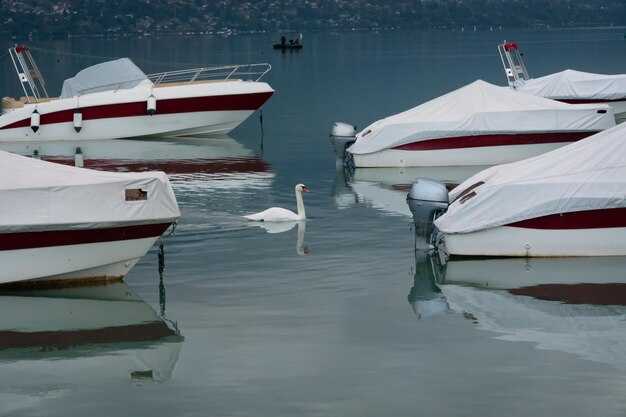 Center Consoles vs Bay Boats – What’s the Difference">

Recommendation: Pour une décision facile : optez pour une plateforme monoplace polyvalente si vous pêchez près du rivage et que les sorties en famille dictent vos habitudes ; cette configuration offre un accès dégagé au pont, une maniabilité plus rapide et une tenue à la mer plus légère en eaux agitées.
Analyse : Plusieurs détails de conception déterminent la manière dont chaque style gère les conditions. Un plat-bord large ou un accès au cockpit améliore la marge de lancer ; les modèles qui offrent des viviers inondables améliorent la gestion des appâts ; dans les eaux peu profondes, les coques à faible tirant d'eau et à grande hauteur de proue excellent, ce qui facilite l'accès aux criques lorsque le vent change de direction. Comme la répartition du poids est importante, vous remarquerez un meilleur équilibre lorsque les charges restent uniformes ; la résistance des coques se manifeste dans les vagues et le mauvais temps. Les conditions difficiles exigent une approche prudente.
Indications d'exécution : En conditions océaniques, la forme de la coque est primordiale ; la résistance primaire réside dans la largeur, l'évasement et la conception du fond. Les constructions plus détaillées placent les supports d'équipement, les viviers et les systèmes de cale à portée des deux côtés. Les machines telles que les moteurs de pêche à la traîne, les pompes et l'électronique prospèrent lorsqu'elles sont reliées à des raccords libérables ; comme cette disposition réduit la portée, les pêcheurs passent moins de temps à ajuster les installations et plus de temps à pêcher.
Marques et choix pratiques : Dans les chantiers navals de Boston, les artisans fabriquent deux profils pour les aventures côtières : des installations plus légères et plus faciles à déplacer pour les excursions d'une journée, et des constructions plus lourdes et plus robustes pour les longs trajets. Les ateliers d'origine bostonienne proposent des options détaillées avec des viviers durables, des compartiments à accès large et des machines conçues pour la fiabilité. Pour les pêcheurs dont la technique penche vers l'exploration des eaux peu profondes, le dégagement de surface et les faibles tirants d'eau sont plus importants, car un contrôle en douceur réduit le stress lors des approches de criques et d'anses. Leur préférence se porte souvent sur des ponts minimalistes, afin que l'équipement reste accessible dans les criques étroites. Au-delà des tendances, ces constructions servent principalement au travail en mer, offrant une grande solidité lorsque les rafales frappent et que les embruns s'élèvent, tout en permettant de garder l'équipement organisé pour des ajustements rapides.
Comment ils diffèrent en termes de conception, d'utilisation et de performance ?
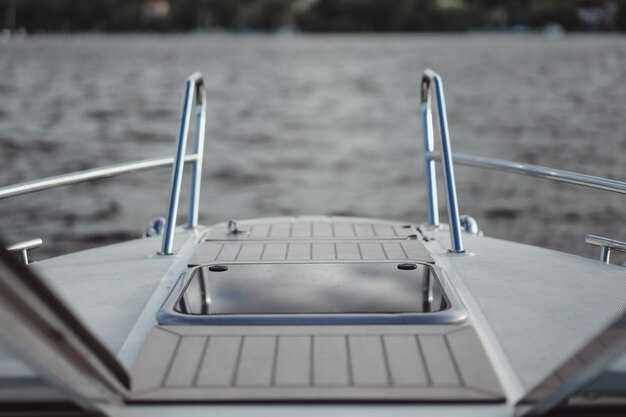
Recommandation : optez pour une coque planante fine avec viviers intégrés, flottabilité assurée par remplissage de mousse, un cockpit spacieux et un poste de pilotage prêt à l’action ; de tels choix optimisent la capacité de pêche, la maniabilité et la disponibilité en milieux soumis aux marées ou turbulents pour la plupart des acheteurs qui pêchent activement.
La forme de la coque détermine l'utilisation. Un fond étroit et large excelle en eaux peu profondes, offrant une assise facile et une réponse rapide au large ; une carène en V plus prononcée fend le clapot, assurant une navigation plus douce en mer agitée.
La conception du cockpit est essentielle. Les aménagements ouverts maximisent les lancers ; les casiers intégrés autour du poste de barre gardent l'équipement au sec et prêt à l'emploi. Chaque caractéristique – des viviers aux rangements étanches – ajoute une valeur inestimable pour une journée de pêche. Les opérateurs expérimentés apprécient une ergonomie plus simple qui réduit la fatigue, avec une meilleure portée aux commandes. Les acheteurs pensent à la fiabilité.
Flottabilité et stabilité. Le remplissage en mousse offre une flottabilité importante, réduit le roulis dans les vagues et assure un contact prévisible avec le fond. C'est pourquoi les acheteurs recherchent des coques dotées de caractéristiques de ballastage : des ingénieurs experts équilibrent le poids en fonction des besoins, que ce soit dans les criques calmes ou les courants de marée.
Spécificités de la conception de la coque. Un pont étroit réduit la prise au vent et permet de naviguer dans les zones de marée peu profondes ; une quille plus profonde réduit les embruns et améliore l'accroche en mer agitée. Le remplissage en mousse des surfaces complète la stabilité, offrant une marge inestimable lorsque la rafale frappe la barre.
En résumé, côté performances : les coques planantes accélèrent vivement mais peuvent exiger plus de puissance ; les profils plus larges remplis de mousse maintiennent le planing à des vitesses plus basses, offrant des démarrages plus faciles. Dans les courants turbulents ou les chenaux de marée, une coque conçue pour une direction stable réduit la fatigue et augmente la confiance des acheteurs.
| Aspect | Embarcation à pont découvert | Petite embarcation à coque en V prononcé |
|---|---|---|
| Pêchabilité | Espaces de moulage dégagés ; compartiments remplis de mousse | Viviers intégrés ; maintient le matériel en place |
| Buoyancy | Remplissage en mousse courant ; flottabilité importante | Stable en eaux agitées ; meilleur contrôle des embruns. |
| Adéquation à l'environnement | Chenaux de marée ; eaux calmes | Bonne tenue en eaux vives. |
| Fonctionnalité clé | Viviers intégrés ; rangements intégrés | Accès facile à la barre ; ponts surbaissés |
Aménagement de la coque et du pont : étrave, emplacement de la console et options de sièges
Recommandation : Positionner un tableau de bord de commande compact juste devant la ligne médiane, en veillant à ce que les lignes restent dégagées et que les ponts avant restent ouverts pour les pêcheurs. Voici une règle pratique : cet agencement améliorera l’efficacité, offrira des espaces ouverts pour les amis à bord et prendra en charge la personnalisation.
-
Zone avant
- Le coffre à mouillage s'intègre au pont avant, minimisant l'encombrement et préservant un espace de lancer plat sur un profil moins profond.
- Le platelage antidérapant avec un système de drainage intelligent permet de limiter l'accumulation d'eau dans les vagues et les eaux agitées.
- Les sièges rabattables ajoutent des places supplémentaires en option sans sacrifier beaucoup d'espace ouvert lorsque le prochain casting est prêt.
-
Plan de pont et accès
- Les passavants de chaque côté éloignent les cordages des pieds ; l'accès dégagé près de la proue et au milieu du navire améliore la portée pour les cordages, les gréements et l'équipement.
- Des plateformes dimensionnées pour accueillir des groupes de pêcheurs typiques, avec de l'espace pour se déplacer lorsque des amis montent à bord.
- Les garde-corps et les supports de hiloire assurent le contrôle tandis que les eaux agitées augmentent la sécurité.
-
Gestion de l'emplacement des tirets
- Tableau de bord situé près de la ligne médiane, mais orienté vers l'opérateur, offrant une visibilité dégagée sur les eaux et l'équipement, que l'on soit debout ou assis.
- Un rangement dissimulé sous le tableau de bord permet de ranger cartes, lignes et matériel de pêche ; possibilité d'ajouter des appareils électroniques en option ultérieurement.
- Le câblage est acheminé pour minimiser l'encombrement, avec une capacité d'extension pour l'électronique haut de gamme et un profil de garantie amélioré.
-
Options d'assise
- Leaning post avec porte-cannes intégrés : combine repos et accès à l'équipement ; choisissez le rembourrage adapté pour les longues distances.
- Les sièges avant surélevés améliorent la visibilité dans les vagues ; les coussins en option augmentent le confort lors des longues journées.
- Les banquettes arrière ou les modules amovibles maximisent la capacité pour les grands équipages ; peuvent être retirés pour créer un espace ouvert en cas de besoin.
-
Personnalisation et durabilité
- Les finitions haut de gamme, les ponts en vinyle durables et la quincaillerie robuste augmentent fièrement la valeur de revente ; les options de garantie couvrent l'utilisation en mer avec des conditions claires concernant la couverture.
- Des tailles de viviers en option, des schémas de couleurs de pont et des ajustements de l'aménagement peuvent être mis en œuvre lors de la personnalisation afin de s'adapter aux eaux et à la taille de l'équipage, ce qui rend les options très polyvalentes. Cela permet d'éviter des itérations coûteuses.
- Les choix de matériaux équilibrent une utilisation robuste avec un poids léger ; l'objectif est de réduire la maintenance à long terme et de conserver la forme intacte après des années.
Polyvalence au quotidien : pêche, croisière et sorties en famille
Optez pour un agencement de barre ouvert avec de nombreux sièges et des couchettes convertibles pour maximiser la polyvalence quotidienne. La présence d'un accès périphérique maintient les passagers à l'aise pendant les longs trajets, tandis qu'un fonctionnement stable réduit les mouvements dans des conditions turbulentes. Cette configuration facilite le passage de la pêche sérieuse à la croisière décontractée, en passant par les sorties en famille avec des amis à bord. Bien que cette approche favorise l'aspect pratique, cette configuration facilite les visites fréquentes des ports voisins, des camps de pêche et des quais de parc. Pour la pêche quotidienne, vous pouvez garder un vivier prêt, des supports de cannes et des commandes de barre à portée de main, ce qui améliore le fonctionnement dans des conditions réelles. Commencez par évaluer un bateau qui équilibre les sièges, les couchettes et l'espace de pont ; vous êtes moins susceptible de vous cogner les orteils ou de trébucher lors des sorties en famille. Entre les choix de conception, les deux conservent des avantages significatifs : la présence de compartiments résistants aux intempéries, un rangement supérieur et une conception qui reste confortable sous charge. Les clients signalent fréquemment une couverture de garantie qui survit à une utilisation difficile, tandis que des choix de matériaux solides protègent contre l'abrasion lors des voyages en eau salée, mais vérifiez toujours auprès du concessionnaire. Les zones de morsure de snook, le cockpit utilisable et les lignes de visée de la barre ouverte aident les pêcheurs à rester concentrés ; un bateau avec des garde-corps robustes et des rails stables réduit les risques. Rendez-vous chez un concessionnaire pour un essai, renseignez-vous sur les couchettes pour enfants et vérifiez que les couchettes sont confortables pour les séjours d'une nuit. L'utilisation prévue est importante : si vous prévoyez de longues croisières, vous voudrez une configuration avec un cockpit ouvert, un accès facile à l'ancre et une conduite solide dans le clapot. Entre ceci et cela, vous obtenez un message clair : les aménagements spécialement conçus vous offrent un confort supérieur, un fonctionnement pratique et une valeur durable. Enfin, assurez-vous que chaque achat est conforme aux conditions de garantie requises et tenez compte des commentaires réels de vos amis qui possèdent des bateaux similaires. Bien qu'un coup d'œil aux spécifications soit important, les essais sur le terrain révèlent quelle option est la plus performante en mer agitée, ce qui vous guide vers une polyvalence maximale.
Maniabilité par tous les temps et en mer : stabilité, embruns et qualité de navigation
Recommandation : privilégier les coques à bau large et à étrave tulipée pour les missions littorales ; cela améliore la stabilité, réduit les embruns et offre une navigation très souple.
La gestion des embruns repose sur la structure et les tirants d'eau. Éléments à inclure : un franc-bord plus élevé, des bouchains affinés et des sections de coque correctement profilées maintiennent les embruns à l'écart des sièges, améliorant ainsi la visibilité et le confort pendant la pêche.
La maniabilité dans diverses conditions est essentielle loin des côtes ; pour la pêche près des côtes, l’équilibre entre le poids, la disposition des sièges et la solidité de la coque facilite la manipulation. Ces conceptions axées sur la stabilité tendent à favoriser la réduction des embruns et une réaction prévisible.
Les coques fabriquées avec une structure solide offrent une excellente stabilité sous les embruns, bien que relativement coûteuses ; cependant, l'avantage devient évident étant donné que des besoins spécialisés existent.
Tirants d'eau typiques : embarcations côtières compactes d'environ 30 à 35 cm ; taille moyenne de 40 à 55 cm ; modèles hauturiers plus grands de 60 cm et plus. Des tirants d'eau plus importants améliorent la stabilité initiale, mais réduisent la maniabilité et l'accélération.
Comprendre le comportement de la coque permet d'éclairer la prise de décision. Étant donné que les risques près des côtes varient, choisissez une configuration qui corresponde au confort des sièges, à la résistance de la coque et à la maniabilité. Cette approche permet également de répondre au besoin d'une navigation stable dans les vagues.
Maintenance et entretien : nettoyage, hivernage et accès aux pièces.
Rincer la coque, le pont et la cale après chaque aventure sur l'eau, sécher complètement et inspecter pour vérifier l'accumulation de sel. estuaires de marée. Une routine de nettoyage est essentielle pour la longévité et réduit la corrosion pendant l'entreposage au froid. Dans la région de Boston, rincez quelques minutes après le retour au port pour minimiser l'accumulation de sel sur les raccords. Cette simple habitude préserve la valeur pour les aventures futures.
Pour le nettoyage, utilisez un savon doux sur les surfaces antidérapantes, rincez abondamment et séchez avant le remontage. Après le lavage, lubrifiez les charnières, les loquets et les attaches extérieures avec de la graisse anticorrosion. Une cadence moyenne existe à travers les mises en page. Les appareils de taille moyenne partagent une cadence d'entretien commune. Un nettoyage régulier permet de maintenir amenities comme les drains de viviers et les viviers à poissons fiables; cela facilite les inspections et améliore la visibilité pour each composant, ce qui est important lorsque les plans incluent eaux peu profondes itinéraires. Cette approche est très pragmatique.
Plan d'hivernage Cela comprend la stabilisation du carburant, l'entretien de la batterie, la protection du système d'eau et la ventilation de la coque. Déterminez ce qu'il faut faire en premier et en deuxième, puis suivez fidèlement ces étapes : moteurs à essence ; remplissez le réservoir, ajoutez du stabilisateur selon l'étiquette, faites tourner pendant dix minutes pour faire circuler. Diesel ou autres carburants : suivez les instructions du fabricant. Débranchez la batterie ou maintenez le chargeur, stockez à l'intérieur à l'abri du gel et utilisez une housse respirante pour éviter la condensation. Cette approche améliore la longévité et facilite le réassemblage au printemps.
Préparez un accès aux pièces avec un inventaire compact : filtres, turbines, joints d'étanchéité, colliers de serrage, fusibles électriques et pompes de rechange. Étiquetez les emplacements, stockez-les dans un bac verrouillable près de la barre ou dans un coffre sec, et notez les panneaux qui doivent être retirés pour l'entretien. Pour les environnements peu profonds ou les estuaires, emportez des colliers de serrage et du mastic supplémentaires pour les réparations rapides de la coque. Incluez un guide rapide répertoriant les remplacements de second choix et les références croisées des numéros de pièces ; de nombreuses pièces de rechange vous aideront à discuter des options avec l'équipage et à rester plus longtemps sur l'eau dans les zones de chargement ou dans la structure principale de la coque. Ce plan améliore ability pour répondre, know Quoi prendre en premier, et comment maintenir l'élan lors de longues aventures.
Coût et valeur : prix d'achat, assurance et tendances de revente
Choisir une conception de coque polyvalente et très populaire engendre des gains de revente stables. Lorsque les acheteurs examinent les cycles du marché, la valeur principale réside dans les modèles qui combinent la capacité en haute mer avec des caractéristiques très polyvalentes, en particulier dans les régions côtières.
Le prix initial des coques en V profond a tendance à être supérieur de 10 à 20 % à celui des configurations peu profondes, mais, à long terme, si l'on tient compte de la valeur, les différences observées favorisent les constructions robustes et intrépides en eaux agitées.
Les primes d'assurance pour un ensemble de puissance moyenne se situent souvent entre 800 et 1 600 $ par an, augmentant avec la valeur de la coque et la taille du moteur ; les moteurs plus gros amplifient les coûts, tandis que les modèles modestes maintiennent des dépenses gérables.
La popularité de la revente reste forte pour les modèles qui allient rendement énergétique, faible entretien et polyvalence, principalement en raison de l'état, du réseau de service et du support après-vente. La dépréciation sur cinq ans se situe entre 20 et 30 %, selon l'état, le marché et le support après-vente.
Les options pour eaux libres, très stables et dotées de fonctionnalités complètes conservent relativement bien leur valeur dans les vagues, tout en offrant une maniabilité fluide lorsque les courants deviennent plus forts.
Les scénarios en eaux plus agitées favorisent les formes audacieuses à V profond ; les modèles à faible encombrement peuvent plaire aux acheteurs qui recherchent une facilité de remorquage.
Choisir un équilibre entre robustesse et disponibilité des pièces détachées favorise la revente à long terme ; optez pour un modèle qui conserve sa configuration dans des conditions variées.
Dans les régions où la demande est forte, les marchés ouverts récompensent une fiabilité éprouvée, tandis que sur les marchés plus calmes, la discipline des prix et le service après-vente sont les moteurs de la popularité.