


 Français
  English (UK)
  Русский
  العربية
  日本語
日本語  한국어
한국어  Magyar
  Türkçe
  Español
  Čeština
  Svenska
  Português
  Ελληνικά
  Suomi
Suomi  Nederlands
  Română
  Italiano
  Polski
  Українська
  Deutsch
  简体中文
简体中文  Slovenčina
 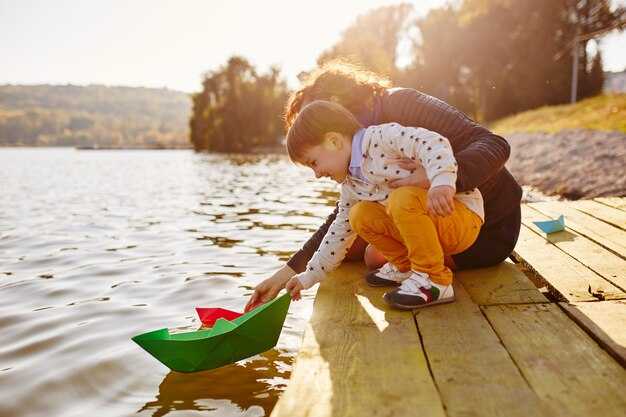 Navigation avec des nourrissons – Conseils de sécurité essentiels pour une journée sûre sur l'eau">

Pour prendre le meilleur départ, assurez-vous d'avoir un gilet de sauvetage pour bébé de la bonne taille avant de larguer les amarres. Il ne s'agit pas de perfection ; il s'agit de sécurité, de préparation et de routines calmes qui les mettent à l'aise. N'oubliez pas que cette approche protège chaque instant à bord..
Entre soleil, vent et vagues, esquissez une routine simple qui utilise des coussins pour s'asseoir afin de réduire les secousses. Gardez une zone ombragée dans la cabine et évitez les bords durs où de petits membres pourraient se coincer. Un placement judicieux minimise le sillage et les maintient stables..
essentials d'emporter notamment des vêtements de rechange, un pare-soleil, un chapeau, de la crème solaire et une trousse de premiers secours. Emballer les articles dans des sacs étiquetés pour un accès rapide entre les tâches.
Les jeunes familles doivent garder les nourrissons à portée de main et utiliser un siège sécurisé dans la cabine lorsque le bateau est en mouvement.. Ils doivent être tenus lorsque vous vous déplacez, et un moment de calme sous le pont aide à réconforter. Avec le temps, cela renforce la confiance..
La protection contre la chaleur est essentielle : utilisez l'ombre, limitez l'exposition au soleil, hydratez-vous et gardez la cabine fraîche. Un petit ventilateur peut aider, mais évitez les surfaces chaudes. Essayez également de passer le plus de temps possible à l'ombre et alternez les tâches pour réduire la fatigue des soignants. N'oubliez pas de vérifier les signes de chaleur chez les nourrissons..
De plus, vérifiez les coussins, arrimez le matériel et montrez l'exemple : portez des gilets de sauvetage, surveillez constamment et encouragez les autres à suivre les pratiques de sécurité. Donnez des ordres calmes et clairs.
Bien que les vagues puissent sembler calmes, le risque de chute à la mer demeure ; surveillez toujours attentivement ce qu'elles font et prévoyez ce qu'il faut faire si quelqu'un glisse. Une règle simple : ne jamais laisser un enfant sans surveillance sur le pont. De petits rappels évitent de grands faux pas..
De plus, si un enfant en bas âge est à bord, asseyez-le avec des coussins et assurez-vous que les sangles du harnais restent entre vos genoux et le banc. Un endroit sûr réduit les mouvements brusques en cas de mer agitée. Utiliser un rembourrage souple pour amortir chaque siège..
Enfin, entraînez-vous rapidement à réagir en cas de changement de vent ou si vous devez arrêter le bateau ; cela renforce la confiance et réduit le stress pour tout le monde. Ce que vous pratiquez devient automatique lorsque vous en avez besoin..
Navigation de plaisance avec des nourrissons : Conseils de sécurité essentiels pour une journée sur l'eau en toute sécurité ; Préparation parentale et tranquillité d'esprit
Préparez un sac à couches dédié avec des couches, des lingettes, un matelas à langer, des vêtements de rechange, de la crème solaire, un chapeau et une trousse de premiers secours compacte ; gardez-le à portée de main sur le bateau et vérifiez-le avant chaque excursion. Si vous oubliez quelque chose, fiez-vous à votre liste de contrôle imprimée ou à la note sur votre téléphone pour ne rien oublier.
Voici une liste de contrôle pratique pour les excursions d'une journée, idéale pour commencer.
- Gilets de sauvetage : Utilisez des gilets de sauvetage homologués par les garde-côtes et adaptés au poids du bébé ; assurez-vous qu'ils soient bien ajustés grâce aux sangles de poitrine et de jambe ; gardez-le en permanence lorsque le bébé se trouve sur les zones du bateau près des rambardes ; testez l'ajustement à terre au préalable.
- Espaces sécurisés et sièges : Désignez une zone ombragée et antidérapante sur le bateau ; utilisez un siège auto ou un parc portable lorsque possible ; attachez le bébé et évitez les endroits élevés ; restez à proximité pour le rassurer ; ne le laissez jamais sans surveillance près des rambardes ou sur des surfaces glissantes.
- Protection solaire : Utilisez l'ombre, des vêtements légers, un chapeau et un écran solaire avec un SPF approuvé pour les nourrissons lorsque les indications d'âge le permettent ; gardez une bouteille d'eau ou un vaporisateur rafraîchissant à portée de main ; surveillez le vent et les embruns et déplacez-vous vers un abri si nécessaire.
- Alimentation et hydratation : Planifier les repas pour éviter l'inconfort ; apporter des biberons ou du lait maternisé dans un récipient hermétique ; offrir de petites gorgées toutes les 30 à 60 minutes de mouvement ; surveiller les changements de couches pour évaluer l'hydratation.
- Maladies et mal de mer : Surveillez les signes comme l'irritabilité ou la pâleur. Si vous constatez des symptômes, interrompez les activités et déplacez-vous vers un endroit plus calme. Assurez-vous qu'il y ait de l'air frais et évitez les odeurs fortes.
- Temps d'arrêt et routine : Prévoyez des moments de repos calme ; les bébés ont besoin de faire des siestes ; maintenez une routine prévisible pour réduire le stress ; utilisez un jouet doux ou une berceuse pour les aider à rester calmes et à se détendre.
- Devoir et communication : Attribuez une tâche claire à votre partenaire ou à votre assistant : une personne surveille le bébé, les autres s'occupent du matériel ; utilisez des signaux simples ou un appel rapide pour attirer l'attention ; gardez une carte avec les numéros d'urgence dans le sac à couches. De plus, apprenez à connaître les signaux de faim, de sommeil et d'inconfort de votre bébé afin de rester réactif.
- Vêtements et température : superposez les vêtements pour les changements de température ; prévoyez un jeu de vêtements de rechange par jour ; emportez une couverture chaude pour l’aube ou le soir ; vérifiez le soleil et le vent sur le pont supérieur pour vous adapter rapidement.
- Prévention de la déshydratation : Proposer de petites gorgées et surveiller les couches ; lors des journées chaudes, prévoir des pauses hydratation toutes les 15 à 20 minutes pendant les premières heures ; garder une bouteille d’eau à portée de main ; utiliser de l’ombre et des ventilateurs pour rester au frais.
- Pêche et activités : Si vous pêchez, rangez le matériel hors de portée du bébé ; évitez les lignes à proximité de l’enfant ; prévoyez des zones calmes sur les bateaux ; impliquez les aînés dans des tâches adaptées à leur âge pour qu’ils restent occupés.
- Routine de change et de sécurité : aménager un espace à langer simple sur le bateau ; vérifier les fuites et les odeurs ; utiliser un matelas à langer portatif et observer une bonne hygiène des mains avant et après les changes.
- Plan de secours et météo : Consultez les prévisions ; sachez quand renoncer et revenir sur le rivage ; gardez un téléphone chargé et prévoyez de manœuvrer vers une zone abritée si le temps se dégrade.
- Protection et règles : Vérifiez les exigences de sécurité locales pour les bateaux transportant des nourrissons ; gardez une liste de contrôle de sécurité à portée de main ; assurez-vous que toutes les personnes autour du nourrisson respectent les règles de sécurité de base afin de réduire les risques.
Étapes pratiques pour une journée sûre et paisible sur l'eau avec un bébé
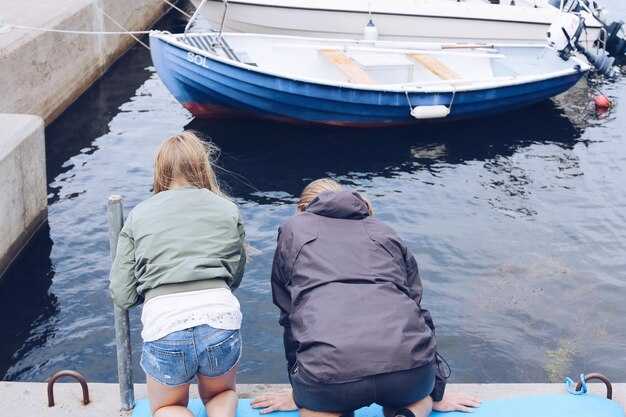
Avant le départ, aménagez un espace ombragé, sec et calme sur le navire, avec des sièges robustes installés sur les ponts afin de garder le bébé à portée de vue du parent. Gardez également un petit sac avec des couches et des lingettes à proximité.
Les matins idéaux offrent des départs plus calmes ; partez lorsque la mer est plus douce, et privilégiez les trajets courts pour évaluer leur réaction.
Habillez les bébés et les nouveau-nés avec des vêtements superposés et portez un VFI ajusté et correctement attaché dès que vous êtes sur le pont. Assurez-vous que le VFI est bien ajusté et qu'ils peuvent respirer librement.
Assignez une supervision à un parent qui garde l'enfant à l'œil à tout moment, et gardez le nourrisson dans un endroit sécurisé au-dessus du pont ou dans la cabine, afin qu'il reste à portée de main.
Planifiez les heures d'alimentation et les collations pendant les périodes plus calmes ; pour les nouveau-nés et les nourrissons, préparez les biberons ou le lait maternel dans une glacière portable, et offrez de petites quantités régulières lorsqu'ils sont éveillés. Notez également qu'une partie du rythme consiste à ne pas trop nourrir en une seule fois.
Limitez les mouvements du véhicule en maintenant une vitesse modérée, en évitant les virages brusques et en installant le nourrisson dans un siège ou une nacelle stable ; une conduite plus douce aide, et si le trajet est difficile, ralentissez et fixez tout objet non arrimé.
Surveiller l'exposition au soleil et les conditions météorologiques : ombre, chapeaux, crème solaire et vêtements protecteurs ; des yachts peuvent passer à proximité, mais les garder à l'ombre et couverts. Se changer aussi avec des vêtements secs en cas d'humidité.
Gardez une trousse de premiers soins portable, des vêtements de rechange et une cabine tranquille et accessible pour les siestes ; connaissez les signes de fatigue et utilisez la cabine pour des moments de calme ou après les repas.
Si des signes de mal de mer apparaissent, dirigez-vous vers la cabine pour vous reposer, proposez de l'eau et réduisez les mouvements en vous installant dans des eaux plus calmes ou en rentrant tôt au port.
Vérification de l'équipement : Liste de contrôle avant le départ, rangement et articles à accès rapide
Effectuez une vérification de l’équipement 30 minutes avant de quitter le quai, et désignez un endroit calme et sec sur le bateau pour les articles à accès rapide. Vérifiez que tous les gilets de sauvetage pour bébés et enfants sont approuvés par la Garde côtière américaine et qu’ils sont bien ajustés; pour les tout-petits, choisissez des sangles réglables et une sangle d’entrejambe appropriée. Attachez les gilets à une attache pour qu’ils soient accessibles pendant les déplacements, et désignez une personne responsable de la surveillance pour vous assurer que l’équipement reste en place pendant toute la durée du voyage.
Préparez une liste concise avant le départ pour ces voyages : VFI pour enfants (une taille adaptée à chacun), vêtements de rechange (plusieurs couches pour les moments de chaleur et de fraîcheur), couches et lingettes, crème solaire, chapeaux, une trousse de premiers soins compacte et desRemèdes contre le mal des transports si votre pédiatre vous les a conseillés. Sachez où vous rangez ces articles pour éviter les recherches au moment du départ et gardez un petit sac de secours prêt pour un remplacement rapide en cas d'utilisation d'une couche ou d'une tasse à bec.
Le rangement sur le pont est essentiel : rangez votre matériel dans des sacs étanches ou des bacs étiquetés, et placez-les à portée de main du gouvernail. Prévoyez un sac étanche dédié aux affaires de bébé près du cockpit, avec des couches, des lingettes, des vêtements de rechange et un biberon ou une tasse de rechange. Fixez tous les bacs et sangles afin que rien ne bouge si des vagues déferlent dans le cockpit.
Les articles à accès rapide doivent se trouver dans une seule trousse facilement accessible : crème solaire, un chapeau et des vêtements légers pour la chaleur, un petit jouet pour calmer les bébés ou les tout-petits, une collation ou un biberon, quelques lingettes fraîches, un change compact, un sifflet ou un dispositif de signalisation et un article de premiers soins compact. Gardez cette trousse dans une poche à la hauteur de la taille ou dans un sac dédié pour pouvoir l'attraper en quelques secondes, ce qui favorisera le calme, le sens du devoir et la sécurité lorsque vous naviguez avec des enfants. Ces articles contribuent à rendre le voyage confortable et à protéger tout le monde, que vous ayez prévu une courte virée ou un voyage plus long prochainement.
Ajustement des Vêtements de Flottaison Individuels (VFI) : Sélection, tailles et utilisation appropriée pour les nourrissons
Choisissez un gilet de sauvetage pour bébé qui soit bien ajusté dès le moment où vous le bouclez, avec des bretelles réglables, une sangle de taille sécurisée et une sangle d'entrejambe pour l'empêcher de remonter. Le menton doit rester dégagé et la tête doit s'incliner naturellement vers l'arrière lorsque le bébé flotte. Vérifiez la plage de poids indiquée sur l'étiquette (la plupart des modèles pour bébés couvrent 8 à 30 lb / 3,6 à 13,6 kg) et vérifiez qu'il porte un agrément de sécurité reconnu. Renseignez-vous sur les agréments de sécurité dont dispose le gilet. Pour une utilisation sur l'eau, privilégiez les gilets avec une sangle d'entrejambe et une poignée de sauvetage à l'arrière pour un sauvetage rapide.
Il est préférable d'opter pour les gilets de sauvetage de Type II pour les nourrissons à proximité des côtes, car ils restent plus fiables que les gilets conçus pour les enfants plus âgés. Évitez de vous fier à un gilet sans sangles appropriées ; un modèle lâche n'est pas fiable si les vagues montent ou si le bateau tangue. Lors d'une location ou de voyages en famille, choisissez un modèle avec une sangle d'entrejambe sécurisée et des boucles faciles à utiliser, afin que les personnes responsables puissent l'attacher rapidement dans la hâte du matin.
La taille et l'ajustement doivent être testés avec le bébé présent. Enfilez le gilet sur une peau sèche, attachez toutes les sangles et passez la sangle d'entrejambe entre les jambes. Tenez le bébé droit par les aisselles et soulevez-le délicatement. Un bon ajustement ne laisse pas plus de deux doigts de jeu sous les bretelles, et le gilet ne doit pas bouger lorsque vous inclinez la tête vers l'arrière. Si vous ne parvenez pas à obtenir cette sensation de confort, essayez une taille ou un modèle différent et demandez l'aide d'un spécialiste de l'ajustement. Ces vérifications de l'ajustement s'appliquent également aux bébés.
Sur le bateau, maintenez une surveillance constante et replacez le gilet dans la position correcte avant chaque mouvement. Mettez le nourrisson dans le gilet avant de monter à bord et ne vous fiez jamais uniquement au gilet pour le maintenir à flot en cas de mer agitée. Il doit tenir même en cas de mouvements brusques. En cas d'urgence, sachez comment l'ajuster rapidement : desserrez ou resserrez les sangles au besoin et prévoyez un plan pour mettre l'enfant dans une position sûre et stable à l'arrière ou dans une zone ombragée. Encouragez une manipulation calme du nourrisson, maintenez un environnement calme et pratiquez des exercices en eau peu profonde par des matins plutôt calmes.
Conseils pratiques pour les sorties : emportez des couches, quelques collations et de la protection solaire. Gardez de l'eau et des boissons à portée de main pour les accompagnateurs afin de prévenir la déshydratation chez les enfants plus âgés et d'éviter les temps morts causés par la faim. Pour les sorties de pêche ou les charters familiaux, établissez une routine courte et prévisible, vérifiez à nouveau l'ajustement après les changements de couches et demandez toujours à un deuxième adulte de surveiller le bébé. Si le temps change ou si le bébé s'agite, faites une pause, ajustez le gilet et déplacez-vous vers des eaux abritées jusqu'à ce que vous repreniez le contrôle de la situation.
Protection solaire et hydratation : Ombre, crème solaire, chapeaux et liquides
L'ombre d'abord : désignez une zone ombragée sur le pont et gardez les nouveau-nés et les bébés de moins de 6 mois complètement à l'abri du soleil direct ; habillez-les avec des vêtements anti-UV 50+ et des chapeaux à larges bords, et prévoyez des vestes légères pour les matinées fraîches ; à cet âge, il est préférable d'éviter la crème solaire. L'ombre et les couches protectrices aident à réduire l'exposition aux UV, créant ainsi des moments de détente dans des endroits sûrs, que vous soyez sur un lac calme ou dans une crique venteuse.
Pour les bébés de 6 mois et plus, appliquez un écran solaire à large spectre FPS 50+ sur la peau exposée, y compris le visage, les oreilles, le cou et le dos des mains; réappliquez toutes les deux heures ou après la baignade ou la transpiration; prévoyez de l'ombre entre les sorties et restez à l'écart pendant les heures de pointe (10 h à 16 h).
L'hydratation est essentielle : proposez des liquides toutes les 15 minutes par temps chaud ; pour les nouveau-nés et les nourrissons, continuez le lait maternel ou le lait maternisé ; les jeunes enfants peuvent siroter de l'eau ou une boisson électrolytique lors de longs trajets ; gardez une bouteille de rechange à portée de main et surveillez la quantité de couches mouillées pour évaluer l'hydratation ; les signes de déshydratation comprennent moins de couches mouillées et une urine foncée.
Confort protecteur : utilisez des coussins sur les sièges pour réduire le transfert de chaleur et offrir un endroit sûr et ombragé pour la sieste ; emportez les jouets préférés pour que les petits restent occupés ; encouragez les moments de repos et de calme lorsque le bateau est en mouvement ; si des signes de malaise tels que la léthargie ou les lèvres pâles apparaissent, mettez-vous à l'ombre et proposez des liquides.
Conseils de planification : établissez une routine pour les matins et les après-midis ; préparez à l'avance les couches, la crème solaire supplémentaire pour les bébés plus âgés, les couvertures préférées et les petites collations ; ces conseils facilitent les déplacements et permettent de rester concentré sur la sécurité ; encouragez les membres de la famille à assurer la surveillance à tour de rôle afin que chacun reste en sécurité.
Sécurité à bord : Fixation du bébé, placement et minimisation des risques liés au mouvement.
Avant le départ, désignez le siège du bébé et fixez un gilet de sauvetage approuvé par les garde-côtes, muni d'une sangle d'entrejambe ; assurez-vous qu'il soit bien ajusté pour qu'il reste en place lorsque vous vous déplacez. Cette configuration doit rester stable que vous soyez en marche ou au ralenti, et elle doit être vérifiée à chaque arrêt.
- Gilet de sauvetage et harnais : Utilisez un gilet de sauvetage pour bébé doté d’une sangle d’entrejambe et d’une poignée de maintien fiable. Vérifiez qu’il est bien ajusté afin qu’il reste en place lorsque le bébé bouge. Gardez un gilet de rechange à portée de main en cas de croissance ou d’humidité.
- Sièges et fixation : Installez un siège de qualité marine ou un espace dédié fixe, arrimé au pont ; utilisez un harnais à 5 points ou des dispositifs de retenue intégrés pour maintenir le bébé droit et confortablement installé ; évitez les coussins ou couvertures qui pourraient se déplacer pendant le trajet.
- Positionnement et ombre : Placez le siège de manière à ce que le bébé soit à l'ombre et qu'il y ait une bonne circulation de l'air ; habillez-le avec des vêtements de mer respirants et superposez les couches pour les changements de température ; assurez-vous d'un soutien suffisant pour la tête et évitez la surchauffe.
- Gestion du risque de mouvement : Conduisez en douceur avec des accélérations et des décélérations progressives ; dirigez pour minimiser le roulis et maintenir un cap stable ; surveillez les signes de malaise et passez à un temps d'arrêt dans une eau calme si nécessaire.
- Routine et alimentation : les parents doivent prévoir des moments de détente et des siestes pendant le voyage ; proposer des collations ou des repas pendant les phases plus calmes et garder de l'eau à portée de main ; penser à vérifier la température et adapter les vêtements pour rester à l'aise.
- Préparation opérationnelle : désigner une personne responsable de surveiller le bébé à tout moment ; emporter des couches de rechange et un pare-soleil compact ; conserver un comportement calme afin de réduire le stress du jeune passager.
Routines de soins : Alimentation, change de couches, siestes et contrôle de la température
Nourrir à heures fixes toutes les 2 à 3 heures pendant la navigation. Pour les biberons, mesurer la préparation avec de l'eau propre, préparer une nouvelle dose à chaque séance et éviter de réchauffer au soleil ou au micro-ondes. Noter la quantité et la durée de chaque tétée pour détecter tout changement.
Les changes restent simples : changez immédiatement après les repas ou lorsque la couche est souillée. Préparez une trousse avec des couches de rechange, des lingettes douces pour le nettoyage, une crème protectrice et un petit tissu pour essuyer les mains. Nettoyez avec des lingettes et de l'eau pour éviter les irritations. Tenez un registre des changements pour prévenir l'inconfort.
Les siestes favorisent le repos et l'humeur. Aménagez un endroit calme et ombragé pour les siestes. Allongez le bébé sur le dos sur une surface ferme ; utilisez une couverture légère si nécessaire ; gardez l'espace de couchage exempt d'objets détachés.
Surveillance de la température : Maintenir une température confortable dans l'habitacle. Utiliser un thermomètre numérique pour vérifier la température corporelle si le nourrisson semble anormal (fièvre, mauvaise alimentation, agitation). En cas de fièvre supérieure à 38 °C (100,4 °F) ou si les symptômes persistent, contacter un pédiatre.
| Aspect | Guidance | Notes |
|---|---|---|
| Feeding | Proposer toutes les 2 à 3 heures ; biberon ou sein ; noter la quantité et la durée | Préparez les biberons à l'avance ; utilisez de l'eau fraîche ; évitez de conserver les restes de lait d'un repas précédent. |
| Change de couche | Changer après les tétées ou lorsque la couche est mouillée ; utiliser des lingettes douces pour nettoyer ; appliquer une crème protectrice si nécessaire. | Emballez des couches et des linges de rechange dans la trousse. |
| Siestes | Planifier de courts repos diurnes ; placer sur le dos dans un endroit ombragé. | Maintenir la zone exempte d'objets non fixés ; utiliser un drap léger ou une couverture si nécessaire. |
| Temperature | Vérifier avec un thermomètre numérique ; maintenir la cabine entre 21 et 24 °C | Si la fièvre est ≥38 °C, consulter un médecin |