


 Français
  English (UK)
  Русский
  العربية
  日本語
日本語  한국어
한국어  Magyar
  Türkçe
  Español
  Čeština
  Svenska
  Português
  Ελληνικά
  Suomi
Suomi  Nederlands
  Română
  Italiano
  Polski
  Українська
  Deutsch
  简体中文
简体中文  Slovenčina
 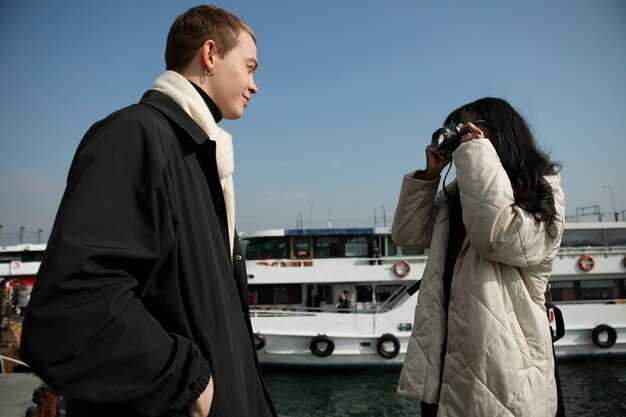 Étiquette à bord pour les invités – 25 règles essentielles pour éviter les situations embarrassantes">

First, wear pfds for every guest before you depart, and check that they fit snugly for all ages. A sound outing starts with basics. Stand with feet shoulder-width apart to keep balance if the boat heels, and remind those around you to move slowly near the rails.
Know the basics of guest manners: those aboard should help with lines, gear, and anchoring tasks. Les étapes suivantes keep the crew calm: offer a hand to someone stepping onto the deck, wait for the line to be secure, and announce what you will do next.
When moving, stay mindful of each other’s space; those with tasks near winches or the engine should keep voices down. wearing non-slip shoes is a simple precaution; unless the skipper says otherwise, avoid running or charging through the cabin. After you handle bait, rinse hands and wipe surfaces to prevent a slippery mess.
Pack light and arrange personal items in bags that stay below deck. Know where essentials are stored: safety gear, first aid kit, and fire extinguisher should be quick to reach. For seating, those aboard should rotate seats evenly to maintain balance and avoid crowding the helm. If you feel unsteady, step back and let someone else take the seat.
Respect the space around the skipper’s console: stand clear of the radar and pedals, and don’t lean on the winches or rails. Follow the crew’s cues about where to stand during docking or rough seas to reduce awkward moments and keep everyone safe. A ready mindset helps you adapt to wind shifts, line tension, and changing weather.
After docking, thank the crew, verify gear is stowed, and check that pfds return to their storage. Those habits keep the boat clean and ready for the next outing. Remember these basics to guide any gathering: keep voices calm, pace your steps, and rinse salt from hands before you touch electronics again.
Boat Etiquette for Guests
Put on your pfds before stepping onboard, and keep them fastened while the boat is moving.
As invited guests, youre expected to contribute to a smooth outing: stay in seating areas when the boat is moving, move with the guide’s signals, and offer assistance to others if someone needs it. If theyre new to boating, a quick guide helps them settle in.
Maintain the general vibe by keeping aisles clear, avoiding loud conversations near the helm, and following the boater’s instructions.
- Move with intention: when you need to shift positions, pause near a secure spot, grip a rail, and take slow steps to stay behind others.
- Grabbing gear: avoid grabbing lines, rigging, or cleats unless you have explicit permission; otherwise, let the crew handle adjustments, then step back to give room.
- Seating and movement: stay in designated seating areas, and yield to elders or guests who need to sit or stand at a moment’s notice, keeping the deck balanced.
- Assistance: offer help to anyone who struggles with steps, a hand to steady, or a seat near the exit when the outing ends.
- Passing and line etiquette: when you need to pass someone, say “excuse me,” wait for a clear gap, and pass behind them without crowding the line.
- Safety and pfds check: ensure kids wear pfds at all times near water, and adults supervise, especially during turns or dock operations.
- Swim and boating rules: respect the boater’s instruction about swim zones; stay out of restricted areas unless invited to participate in a sanctioned swim.
- Trash and extra gear: take all trash with you, keep personal items secured, and bring an extra tote for wet items so the deck stays tidy.
источник: seasoned boater guidance emphasizes consistency, calm communication, and quick, friendly teach moments to help every guest feel confident on board.
This isnt about rigid rules; its about safety and respect for the crew on board.
Confirm RSVP and Boat Rules with the Host
Confirm RSVP and boat rules with the host in a quick message within 24 hours of receiving the invitation, and also list the exact guest count, accessibility needs, and any dietary restrictions.
Ask for the official rules as источник of guidance, and discuss safety and courtesy on board, including what time guests should arrive, what about cancellations or changes, and what is meant by proper conduct.
Verify pfds are available in the right sizes, confirm a seating or stand plan, and understand where to move properly into each zone when the boat shifts, so you can act first and stay safe.
Plan to balance the load by spreading those on board evenly, with seating arranged toward the center and guests told where to stand or sit to keep the weight back and in check.
Discuss clothing and gear: wearing non-slip shoes, lightweight layers, and sun protection, and specify where to place bags so aisles stay clear and the deck remains warm and safe for everyone, like avoiding loose straps that could snag a rail.
If swimming is allowed, confirm zones, duration, and safety rules; remind prone individuals to rest and hydrate, and ensure those in the group know where the pfds sit and how to enter and exit the water safely.
Conclude with a cleanup plan: collect trash, return gear to its place, and leave the back of the boat ready for the next party; a sound approach means those friends on board and back on shore enjoy a full, organized experience.
Pack Light: What to Bring and What to Leave Behind
Pack one compact case with essentials and leave the rest in bags ashore. Understand your limits and keep the setup simple and comfortable.
As a boater or guest, think whether you need any extra gear; pfds should stay ready and properly fastened, and a radio should be within reach. This approach keeps safety in sight and helps captains communicate.
Even with a full crew, keep the kit compact. Create a short list of what you want to bring: drinking water, snacks, a compact towel, and a lightweight layer.
Leave behind bulky gear, extra bags, and items that crowd the bilge; carry your remaining items in a single case without elses crowding space.
During boarding, keep your weight centered to balance; move slowly, avoid sudden shifts, and thinking about others’ space in those moments helps prevent mistakes.
Teach by example; showing respect reduces moments and mistakes, and builds good feeling among everyone. Also share this list at boarding to set expectations and guide hands.
Boarding Etiquette: Shoes Off, Quiet Steps, and Seating
Remove your shoes before stepping onboard and carry them in a bag to keep the deck clean; also understand that this change saves wear on flooring and helps the crew focus on safety and comfort during the outing.
- Move with quiet steps in a single line to minimize disturbance; soft movements into the cabin feel natural and are appreciated by guests like you onboard.
- Follow seating instructions from the briefing and captains; your place is shown in the plan, so don’t skip it.
- If you need to switch seats, ask politely when the line is clear, tell anyone affected, and let the crew guide you to your new seating.
- Keep your load compact; skip bulky bags in aisles and use overhead racks or under-seat storage to free space for others.
- Never lean overboard or reach toward the water; maintain three points of contact and keep your hands inside the rails.
- Limit drinking during boarding; if you have something spilled, handle it calmly and wait until you’re seated to finish.
- Encourage others to follow these norms; if someone asks for guidance, point them to the briefing or a crew member for instructions.
- Do not touch the wheel or controls unless a captain or crew member instructs you to; stay in designated zones only.
- Arrive early to avoid blocking the line; this outing should run smoothly for everyone on board.
- Keep money and valuables secure; if you need change, request it from staff rather than rummaging during load or during the walk to the seating.
- Si quelqu'un tombe à la mer, ne nagez pas vers le bastingage ; restez calme et attendez les instructions de sauvetage de l'équipage.
- Si quelque chose n'est pas clair, demandez à n'importe quel membre de l'équipage ; ils se feront un plaisir de vous expliquer et de s'assurer que vous comprenez le briefing de sécurité.
Protocole concernant les aliments et les boissons : portions, partage et élimination des déchets
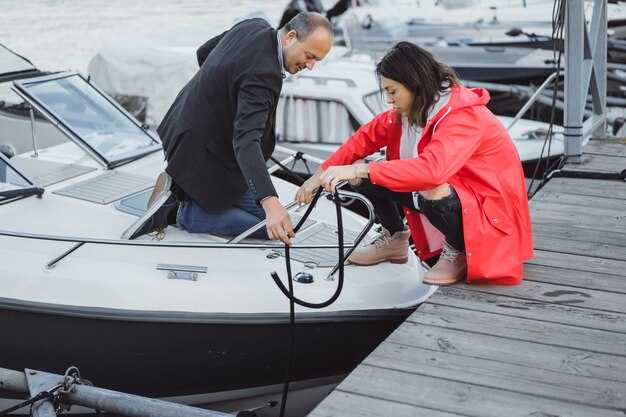
Divisez à l'avance les repas en portions de taille égale pour chaque passager avant de passer les assiettes ; cela réduit la confusion et accélère le service.
En tant que plaisancier, montrez l'exemple et assurez-vous que vos invités savent que les portions seront équilibrées au sein du groupe, que votre rassemblement soit en cours de route ou qu'il s'agisse d'une sortie à quai.
Cela pourrait aider votre équipage à mieux se coordonner, surtout sur un petit bateau ; ne proposez une deuxième portion que s'il en reste beaucoup, et renseignez-vous sur les besoins alimentaires lorsque vous prenez contact avec les passagers.
Lors du service, veillez à ce que les ustensiles de service restent propres et utilisez une cuillère distincte pour chaque plat afin d'éviter la contamination croisée et de maintenir un service fluide lorsque le bateau se déplace.
Pour les boissons, prévoyez des portions légères et une carafe centrale pour l'eau ou la limonade ; encouragez les invités à se resservir à partir de la source principale plutôt que d'ouvrir de nouvelles bouteilles à table, ce qui permet de garder les terrasses ordonnées.
Savoir-vivre : encouragez à donner un coup de main en faisant passer les plats le long de la table à un autre passager ; demandez avant de partager une bouchée par respect pour les préférences ; cela améliore l’harmonie et réduit les mouvements sur un bateau en marche.
Gestion des déchets et nettoyage : désigner un petit espace poubelle près des sièges ; utiliser un sac à fermeture éclair pour les emballages ; garder les poubelles fermées et recycler dans la mesure du possible ; pendant la navigation, assigner un membre d'équipage à la gestion des déchets afin que rien ne s'accumule sur le pont.
Cette approche fonctionne sur n'importe quel bateau, qu'il soit à quai ou en excursion au départ du port d'attache ; de manière générale, visez la simplicité et l'uniformité pour tous ceux qui sont à bord.
Ensuite, passez en revue ces étapes avant votre sortie afin de garantir aux invités un repas agréable et sans délai.
| Item | Conseils sur les portions | Astuce de partage | Évacuation des ordures |
|---|---|---|---|
| Plats principaux | Servir à l'assiette des portions équilibrées et de taille uniforme pour tous les passagers | Ne proposer de partager qu'après avoir posé la question à l'invité ; céder une bouchée si on vous le demande | Utiliser un sac à proximité ; racler les restes ; garder les sacs poubelles fermés. |
| Collations et accompagnements | Présentez des portions individuelles sur un plat central ; prévoyez 6 à 8 bouchées par personne. | Déplacer les plats le long de la table ; équilibrer les portions au fur et à mesure que les convives se servent. | Mettre les emballages dans un sac fermé ; recycler dans la mesure du possible. |
| Desserts | Servir de petites portions; présenter sur des assiettes individuelles | Proposez le plateau de desserts avant de le faire circuler ; offrez une deuxième portion s'il en reste suffisamment. | Garder les emballages dans un sac séparé ; essuyer les surfaces |
| Drinks | Remplissez les tasses en portions mesurées ; gardez une seule carafe à portée de main. | Passez les gobelets aux voisins ; évitez de verser à partir de plusieurs bouteilles à table. | Transférer les gobelets usagés dans un bac prévu à cet effet ; jeter la glace au besoin. |
| Ustensiles et serviettes de table | Fournir un ustensile propre pour chaque plat ; garder des serviettes à portée de main. | Encouragez les invités à ne prendre que ce dont ils ont besoin ; passez le surplus aux autres. | Prévoir une petite poubelle près des sièges pour les articles jetables. |
Débarquez avec élégance : proposez votre aide et envoyez un remerciement
Proposez aux passagers de les aider avec leurs vestes et leurs sacs dès qu'ils descendent du bateau. Une offre claire et concrète donne le ton et accélère le processus. Bien sûr, je suis prêt à vous donner un coup de main., dites-le doucement et regardez-les dans les yeux. Anticiper permet de calmer la foule et de fluidifier les moments. Si quelqu'un hésite, proposez de le guider vers un endroit confortable et vérifiez si ses semelles sont humides. Cette approche crée plus de confiance pour chaque invité.
Proposer de gérer les affaires en premier Tenez-vous légèrement sur le côté du quai pour éviter les embouteillages et suivez les instructions de l'hôte. Demandez : “Voulez-vous que je prenne ce sac ou que je tienne votre boisson ?” Gérer une boisson et sécuriser les effets personnels réduit le risque de glissades, surtout sur un pont mouillé, avec de l'eau stagnante, et cela ne prendra pas longtemps. Si un invité souhaite de l'intimité, respectez-la, sauf s'il demande une brève explication des prochaines étapes.
Rendre la transition plus sûre et plus propre. Orientez les invités vers un endroit sec, essuyez les semelles et soyez prêt à porter une veste ou un sac supplémentaire. Voici les points à couvrir : votre aide doit être discrète et rapide, à un rythme plus rapide que la précipitation. Une fois que tout le monde est à terre, récapitulez où placer les objets et confirmez que tous les effets personnels ont été placés à l'endroit désigné, avec un nettoyage prévu plus tard ; tout était organisé.
Envoyez un remerciement qui reste. Regardez chaque client dans les yeux, remerciez-les de leur patience dans ces moments-là, et mentionnez que vous espérez qu'ils ont apprécié le voyage et qu'ils reviendront pour une autre balade. Un petit mot sincère envoyé plus tard renforce le sentiment que vous vous souciez de leur expérience et rend les sorties futures plus agréables. Si vous avez recueilli des commentaires ou des rappels, incluez-les afin que les clients se sentent écoutés.