


 Français
  English (UK)
  Русский
  العربية
  日本語
日本語  한국어
한국어  Magyar
  Türkçe
  Español
  Čeština
  Svenska
  Português
  Ελληνικά
  Suomi
Suomi  Nederlands
  Română
  Italiano
  Polski
  Українська
  Deutsch
  简体中文
简体中文  Slovenčina
 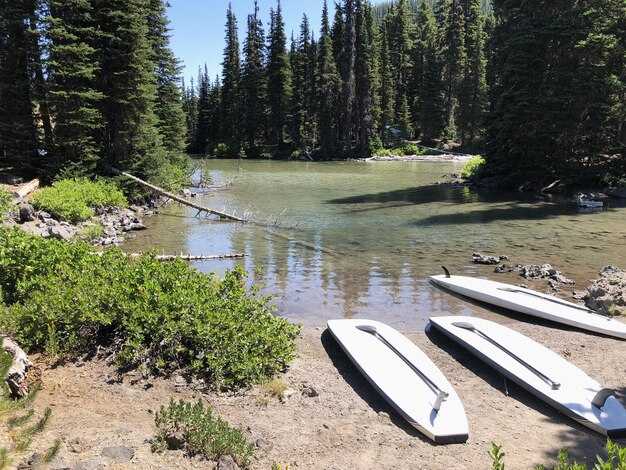 Best Places to Rent a Boat at Lake Powell, Arizona – Boat Rentals Guide">

Recommendation: Start at Wahweap Marina to launch a watercraft and tailor your day around wind and heat. Sure, you can choose from a variety of crafts, from smaller runabouts to larger platforms, all suited for cruising, sailing, and exploring coves. If you have a license, bring it; otherwise, operators frequently provide safety briefings and on-site instruction, making the process simple.
Beyond the initial base, Antelope Point offers another axis of access with multiple rental partners and a broader variety of craft. You’ll find areas with campgrounds nearby and calm bays ideal for voile and close-range explorations. Expect smaller boats for tight coves as well as larger models for longer routes along canyon walls.
When planning, imagine a route that starts with a hiking trail along the rim, then pivots to a smooth launch for voile along towering cliffs. The canyon’s axe winds shape the day, so mornings tend to be gentler and afternoons busier. This approach truly enhances the overall experience pour tout adventurer seeking to enjoy a day on the water with a diverse variety of itineraries.
For safety and convenience, verify license requirements with the operator and confirm campgrounds access as well as nearby areas suitable for shore landings. Some options offer guided sessions that simplify decisions and help you stay close to home while maximizing time on the water. When you’re ready, you’ll feel like an adventurer who embraces the experience and the joy of voile.
tldr: Start at Wahweap or Antelope Point for accessible watercraft, check safety license requirements and launching windows, and mix hiking with voile to craft a day that balances variety, areas, and campgrounds– all above the river’s canyon walls.
Lake Powell Boat Rentals Guide 2025
Begin with a four-hour instruction session at the Wahweap location, inclusive of life jackets and basic gear; choose kayaks or pedal boats for simple, low-cost exploring, with daily prices typically $60–$95 for kayaks and $110–$150 for pedal craft; motorized options generally start around $150 and can reach $250–$350 depending on power and seating; fuel charges are usually extra for engine-equipped watercraft.
For August trips, plan an early start at Antelope Point or Bullfrog to beat the heat; these zones offer huge canyon views, protected coves, and easy routes for cruising and exploring.
Gear and safety: life jackets, dry bags, maps, a waterproof camera, sunscreen, and hydration; for paddle-only craft, bring water and light snacks; for engine-powered options, check licensing and age requirements; most operators provide a safety briefing and basic instruction on arrival.
Where to base your search: Wahweap Marina, Antelope Point Marina, and Bullfrog Bay are common hubs; verify daily hours and docking rules with the operator; many outfitters offer on-site delivery to nearby launch points.
Types of craft to consider: kayaks (single and tandem), canoes, stand-up paddleboards, pedal boats, and small electric-powered craft; each option has different handling, stability, and seating; plan a simple route with multiple short hops for best balance of relaxation and exploration.
Costs and extras: daily rates vary by craft; stand-up paddleboards often $35–$70, kayaks $40–$90, canoes $50–$110, pedal boats $80–$130, and electric watercraft $150–$250; fuel, launch fees, insurance, and delivery are frequently extra, even during shoulder seasons, with some outfits offering all-inclusive packages or multi-day discounts.
Drafting a practical itinerary: map a light pace that includes Rainbow Bridge National Monument access via water, coves near Warm Creek, and towering canyon walls; target an overnight stop near a designated site or return to a marina for refuel and rest; keep a simple packing list: dry bag, shade hat, sunscreen, water, and a compact camera.
Keywords and home-hub: this article is designed to present long-tail data for readers seeking precise figures and practical steps; check with the home port for real-time availability, safety rules, and fuel policies; the aim is a safe, relaxing experience with a flexible plan.
Top Lake Powell Marinas for Boat Rentals
Begin with Wahweap Marina for the broadest fleet and the simplest operation, including captain-guided trips and wakeboard-ready craft. Departures run from morning into the afternoon, and in July weekends often require advance planning. Locals frequently capitan their own vessels to explore coves, beaches, and the warm water that makes canyon recreation memorable. This option tends to work well for families and groups seeking a smooth, relaxed vacation on the water.
-
Wahweap Marina
Rented craft span pontoons, ski boats, fishing boats, and wakeboard rigs, with capacities from roughly 6 to 12 people. Operate procedures are straightforward, and captain services are available for a worry‑free afternoon. Access is easy from the main town hub, and the launch ramp handles larger vessels with minimal queue. Local crews often recommend this entry point for quick access to coves and sandy beaches along the canyon walls. Cost mirrors craft size and season, typically from mid hundreds to around a thousand dollars per day. Departure windows are flexible, but afternoons maximize light on red cliffs. Experience highlights include a variety of coves, warm water, and the option to hike short overlooks after a day on the water. Often stayed for multiple days, providing a solid base for a few day trips. Page references in the guide point to concrete lists of available craft and add‑on options. tldr: Wahweap is the easiest start with the most choices for a varied day on the water.
-
Marina d'Antelope Point
Facilities emphasize covered moorage and a newer fleet, with options spanning mid‑sized power boats to larger party crafts. This location tends to attract locals who value steady access and predictable departures, making it easier to plan a full canyon itinerary. You’ll find direct access to canyon routes that showcase unique formations and big walls, plus calm coves ideal for a mid‑afternoon swim or wakeboard session. Cost levels track craft size and demand, typically in the same range as Wahweap, with occasional premium rates for high‑end gear. For groups looking to split tours or hire a captain for a listed route, this is a reliable choice. Be aware July weekends can require early booking. Recreation options include exploring beaches and taking short hikes to scenic overlooks.
-
Bullfrog Marina
Remote feel with a quieter pace, excellent for those who want to avoid heavy crowds. Rental options here tend to be smaller craft, plus fishing boats and kayaks, which keeps daily costs down. This hub serves as a good base for longer canyon runs and for accessing winding canyons where the walls loom large. Departures are often spaced mid‑morning to early afternoon, which suits guests chasing cooler shade on hot July days. Locals appreciate the straightforward operation and lower stop times, making it easier to set a flexible itinerary. The experience centers on discovering secluded coves, warm afternoon water, and tranquil beaches away from the busier ramps. If you’re after a more intimate day on the water, this is a solid fit.
-
Halls Crossing Marina
A budget‑friendly option with smaller, easy‑to‑handle craft and a friendly service vibe. It’s often worked well for short rentals and for travelers who want a concise day on the water without the heavy crowds. You’ll find access to a handful of coves and short hikes nearby, with comfortable stops for lunch and a swim. Departure times tend to be flexible, with afternoon sessions popular for catching golden canyon light. Costs here are typically the lowest among the main ramps, making it a good choice for a single afternoon or a quick lake‑day addition to a longer vacation itinerary. The variety of craft is enough for a relaxed pace, and locals appreciate the straightforward setup for a quieter recreation day.
tldr: Wahweap for the widest selection, Antelope Point for reliable access, Bullfrog for solitude, Halls Crossing for budget‑friendly options. Page resource lists provide concrete craft options and seasonal pricing–check the page for up‑to‑date details.
Ski Supreme S240 GW: Availability, Specs, and Booking Terms
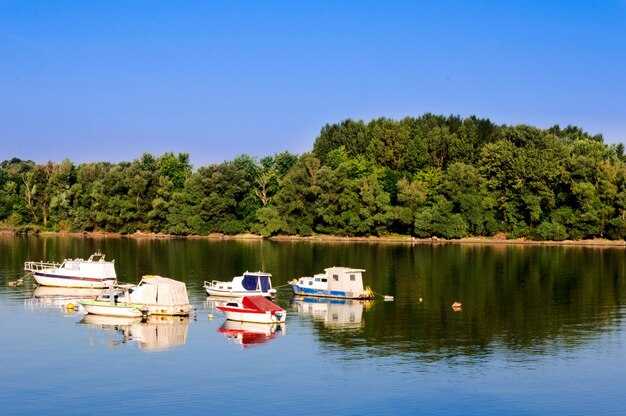
Choose the Ski Supreme S240 GW for your next multi-group outing; it delivers seamless cruising, boatable wake performance, and plenty of space for travelers and visitors alike, including the adventurer in you and first-time guests.
Availability: For december and year-round charters, Wahweap, Axis, and Glen Canyon spots offer the most options. When you need flexibility, target midweek windows to secure more slots; weekends fill quickly. Book at least two to three weeks in advance during peak months. For guided itineraries, pair with nearby resorts or campgrounds to ensure a smooth transition. The best spot selections sit near rock faces and coves, with boatable segments ideal for lakes cruising and wake work.
Specifications: Length around 24 feet; beam about 8.5 feet; dry weight near 7,000 pounds; fuel capacity ~110 gallons; ballast system up to 4,000 pounds for deep wakes; seating for 16–18; propulsion via V-drive delivering up to 430 hp; wake-surf option and tower; premium audio; boatable and stable for cruising and lakes adventures; designed to handle coves and rock formations with ease.
Booking terms: A security deposit is required, typically 1,500–3,000 dollars depending on group size and trip duration; cancelations are refundable up to 21 days before the start, with rescheduling or credit possible for weather or safety concerns. A waiver and valid driver qualifications are required; minimum driver age is 25, with a guided crew available for under-25 operators. Fuel policy is full-to-full; renter is responsible for fueling during the trip. Optional guided crew can handle full-day trips; insurance coverage is included or available. For houseboat-style itineraries, coordinate with resorts and campgrounds for the complete experience; include shore stops at Wahweap Axis and Glen Canyon areas to maximize sightseeing and activities for all guests.
heres a quick checklist to lock dates and confirm details: verify the selected dates, confirm fuel plan, arrange a suitable crew if needed, and align with nearby campgrounds or resorts for an integrated stay.
Trip ideas: Plan diversions that suit first-time visitors and seasoned travelers alike–dive into sheltered coves, hike above canyon rims, and enjoy a picnic on a sun-warmed promontory. For rock‑bound mornings, start with a calm cruising segment, then swap to wake-surf actions as the water warms. December trips shine with quieter anchor points and ample opportunities to explore the axis of Wahweap and nearby rock ledges; there’s plenty of room for groups to split into smaller squads while keeping the overall schedule tight. If you’re targeting a longer escape, couple with resort stays or campgrounds to extend the experience and still keep the logistics smooth and boatable-friendly.
Daily vs. Hourly Rates, Fees, and Deposits
Start with the daily option if youre planning several days of cruising; it often yields more predictable spend and fewer surprise charges. Check the listing to compare what each craft includes, such as fuel, snorkeling gear, or catering add-ons. For a single morning on the water, hourly rates tend to be cheaper and let you test a smaller vessel before committing to a longer float.
Fees and deposits: cleaning charges, security holds, and possible docking or canyon access fees vary widely. Cleaning typically runs $20–$150 per rental; security deposits range from $400 to $1,500 and are refunded after inspection if no damage is found. Fuel charges apply if you exceed included hours; expect $3–$6 per gallon at local stations. powells canyon scenery is beautiful, and a longer stay often yields better value.
Choose between self-operated crafts and full-service charters with catering. Self-operated reduces daily cost; you manage docking, navigation, and catch of lines. Catering adds per-person fees, which can add $25–$60 daily depending on the menu and headcount.
Vessel types and boatable options: surfboat, yamaha-powered runabouts, smaller houseboats, and yachts. For powells canyon trips, look for the listing noting kid-friendly features, stable platforms, shallow drafts, and included safety gear. If youre bringing kids, prioritize models with sun shade, easy access, and clean interiors between uses.
Tips to save: book a morning pickup when possible, stay for multiple days to maximize the daily rate, and look for bundles that include cleaning, fuel, and gear. A longer stay with the same operator often earns a discount; compare at least three options from the same provider, including self-operated and crewed options. Ensure the vessel is boatable, with enough space for lounging, and clear terms on deposits and refunds. As jared notes, you need to read the refund policy before committing and check the fine print.
Licensing, Safety Equipment, and Insurance Essentials
Get the Boating Education Card before your trip and carry proof on board; ticaboo and other marinas verify this at check‑in, and cant approve launches without it if local rules apply.
Licensing and registration vary by jurisdiction; expect USCG safety guidelines plus state requirements for education or certificates. Bring a photo ID and any vessel registration or permit you hold, and keep these in a waterproof pouch near the helm. These checks help you and your crew stay compliant when you approach the gate or cross under a bridge during launching or exploring a new cove.
Safety equipment should be stocked for every person on board and kept within reach on the deck. These simple items reduce risk when kids are aboard and the crew is focused on exploring wakesetter, surfboat, or houseboats. Use a spare rope for docking and a throw line for assisting a swimmer, and confirm that all gear is rated for current conditions and water depth.
Insurance matters: confirm coverage with the rental provider or add a named insured to your existing policy. Typical minimums include third‑party liability and optional hull or moisture damage protection. If a waiver is offered, read it carefully and confirm what losses are covered; keep proof of coverage on board for instant reference during a routine check at the gate or launch ramp. If you stay in lodging options linked to the fleet, verify that insurance applies to the entire crew and any attached equipment.
| Item | Requirement | Vérification | Notes |
|---|---|---|---|
| Documentation | USCG‑approved card or state certificate; photo ID | Present at check‑in; confirm validity | Keep in a waterproof pouch onboard; marinas like Ticaboo provide guidance |
| Personal flotation devices | One per person; USCG‑approved; sizes fit | Inspect before launching; ensure proper fit | Kids must wear PFDs when underway where required |
| Throwable device | Type IV on vessels 16 ft or longer | Accessible and within reach | Practice grabbing it quickly in an emergency |
| Sound signaling | Sifflet ou klaxon | Operational; within easy reach | Required by safety standards |
| Visual distress signals | Flares or approved alternatives | Non‑expired and accessible | Check expiry dates before launching |
| Fire extinguisher | One or more; location depends on engine space | Gauge shows charged; accessible | Type B for enclosed engine compartments |
| First aid kit | Basic supplies | Stocked and within reach | Replace used or expired items |
| Mooring gear (rope, lines) | Spare line and throw rope | Stored in deck bag or locker | Useful for docking near marinas or at the gate |
| Insurance proof | Certificate of coverage or waiver | Onboard or easily accessible | Ask provider about coverage for loss or damage |
| Registration and permits | Enregistrement actuel du navire si applicable | Vérifié lors de l'enregistrement | Certains opérateurs exigent des documents récents. |
Pickup, Return et Accès sur l'Eau par Marina
Choisissez une marina avec une plage horaire de prise en charge définie, un enregistrement simple et des frais transparents ; demandez un transfert cartographié et une liste de contrôle pré-trajet concise pour que votre temps sur le bateau reste dans les temps. Une approche générale qui privilégie un personnel expérimenté peut réduire les retards et maintenir les enfants et les bagages organisés lors des excursions de décembre.
Conseils pour le jour de la prise en charge : arrivez 15 à 30 minutes en avance, apportez une pièce d'identité et les permis requis, et confirmez la réservation avec les propriétaires ou le personnel. Attendez-vous à un bref briefing de sécurité, recevez un code numérique ou des clés, et inspectez le bateau pour les rayures, les heures de fonctionnement du moteur et le niveau de carburant. Notez comment l'équipement inclus convient à votre groupe ; si vous avez besoin de vestes, de gilets de sauvetage ou de sacs étanches, vérifiez la disponibilité avant le moment où vous en avez besoin.
L'accès à l'eau varie en fonction de l'agencement de la marina. Certains emplacements offrent un accès par mise à sec et une rampe, tandis que d'autres proposent des postes de amarre directement sur la ligne d'eau. Recherchez des criques et des petites anses à proximité pour une plongée exploratoire simple dans des eaux peu profondes ou une visite guidée de canyons spectaculaires. Les rampes de mise à l'eau qui restent accessibles pendant les saisons intermédiaires vous aident à rester flexible lorsque les conditions météorologiques changent ou que vos annonces présentent davantage de variété que prévu.
Processus de retour : prévoyez une période de retour dédiée et utilisez la même station d'enregistrement que pour l'enlèvement. Le personnel vérifiera le niveau de carburant, calculera les heures et inspectera les dommages ; attendez-vous à un bref compte rendu sur les problèmes de sécurité ou les travaux de maintenance recommandés. Les retards de retour peuvent entraîner des frais raisonnables, alignez donc votre temps avec le flux de circulation du port de plaisance et les heures générales établies.
Les réalités saisonnières et la budgétisation : les voyages en décembre peuvent encore être incroyables si vous vous préparez aux matinées plus fraîches et aux vents potentiels. Emballez intelligemment : vêtements à couches, une veste compacte et des chaussures adaptées aux intempéries. Une simple liste d'essentiels vous aide à vous préparer, que ce soit pour des croisières en famille ou des explorations en solo ; de nombreux propriétaires proposent des forfaits abordables qui incluent des embarcations, des gilets de sauvetage et des équipements de sécurité de base.
Pro tips : examinez les politiques de sécurité de la marina, confirmez l'accessibilité pour un groupe diversifié, y compris les enfants, et misez sur des options guidées si vous souhaitez un itinéraire personnalisé à travers des canyons ou des criques secrètes. Si vous recherchez un délai d'exécution rapide, choisissez une marina avec une prise en charge rapide, un retour simplifié et un accès direct à l'eau. Recherchez quelques annonces proposant un équipement prêt à l'emploi qui correspond à votre emploi du temps et à votre budget, en veillant à obtenir l'équilibre idéal entre sécurité, facilité et plaisir lors de l'exploration de l'eau et des options d'hébergement environnantes.