


 Français
  English (UK)
  Русский
  العربية
  日本語
日本語  한국어
한국어  Magyar
  Türkçe
  Español
  Čeština
  Svenska
  Português
  Ελληνικά
  Suomi
Suomi  Nederlands
  Română
  Italiano
  Polski
  Українська
  Deutsch
  简体中文
简体中文  Slovenčina
 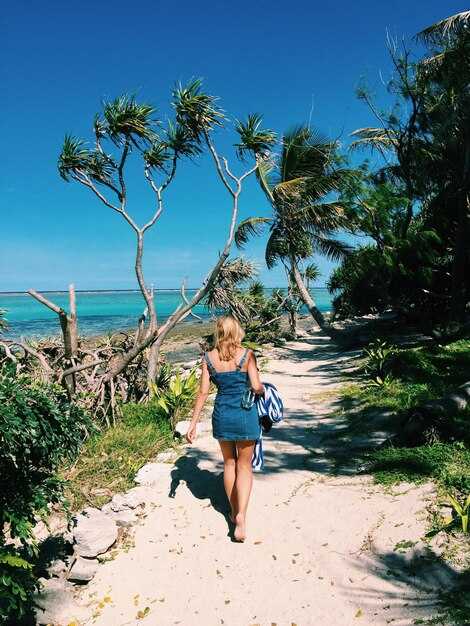 8 Stunning Bahamian Beaches Revealed by a Local Insider">

Start your day with a dawn walk to a secluded cove where the waves hush the chatter and crowds stay away. This quick move points you toward eight coastal treasures, each with a distinct rhythm and little trace of heavy development, following the rules of low-impact travel.
Meet Gregory, a Nassau guide who names the coves that snorkelers dream of. Bien que you stroll the near shore, you’ll discover routes that keep facilities minimal and keep the experience seamless.
Some spots are named for distinctive landforms; one offers grand dunes that glow like gold at sunset. The paths emphasize creating a balance between walking, swimming, and observing wildlife, making room for seabirds and shade, with facilities kept sparse to preserve seclusion.
Each selection is featured for snorkelers and walkers who seek seclusion away from crowds. The plan shows which paths suit wind direction and water clarity, and avoids visible cable lines, preserving a near-silent experience while keeping the routes near civilization.
As you progress, Gregory notes how a simple boardwalk leads to a grand overlook, and how one sheltered cove remains a gold standard for calm snorkeling. Creating walking opportunities along rocky ledges, these eight pockets deliver seclusion without demanding hours of planning.
Pink Sands Beach, Harbour Island: Insider Tips for a Perfect Beach Day
Arrive at dawn for an uncrowded, soft-pink morning along the edge, where crystal-clear water meets the pale sands in blue hues. This is your best opening window to enjoy the fine texture and the calm shallows as the day begins.
Logistics: fly into North Eleuthera (ELH) or Governor’s Harbour, Eleuthera, then a 15–25 minute taxi to Dunmore Town. Choose one of the small accommodations near the harbor for easy access to views and quick returns to your day.
- Strategy for exploring: start with a stroll along the crystal-clear shoreline at low tide, then pivot to the pink dune area for photos and calm water; the edge offers diverse spots with soft light and natural color shifts, and keep an eagle eye for the best reflections.
- Best time to swim and snorkel: the shallows near the far end are gentle, ideal for a family day, and the water stays blue and calm even when a breeze picks up. Pack reef-safe sunscreen and a lightweight dry bag for your valuables.
- Photo and vantage points: the edge of the strand provides the most dramatic views, especially at sunrise or sunset; rank your shots by color intensity and depth of field to curate a compact collection.
- Dining and downtime: harbor-side spots offer conch salads and coconut drinks; plan a short break between explorations, then continue to quieter coves for a slower pace.
Harbor life and nearby temptations: this isle-like charm sits among many Caribbean favorites. If you crave a comparison, anguilla or aruba can offer similar vibes, though Harbour Island delivers a more intimate experience with more controllable crowds. For a broader itinerary, a day trip to exumas reveals larger coves, while the routes around the edge deliver views that feel Olympic in scale at times when the sun strikes the cliff edges and blue water beyond the harbor.
Notes for the practical traveler: bring a dry bag, a cable lock for your bag, and a small towel; wearing water shoes helps you navigate the soft sand’s transitions between powdery pink and smoother rocks near the edge. Palm fronds and cabbage palms line the shore, and a gentle cliff path along the edge provides vantage points with multiple diverse views of the blue expanse and pink sand. The breeze gets cooler toward late afternoon, making this a comfortable, natural setting for a full day.
Pink Sands Beach, Harbour Island: Access and Getting There
A driver named john notes this route provides the most seamless connection for most visitors: take a domestic flight to North Eleuthera (ELH) or Rock Sound (RSD) on Eleuthera; from there, a 15–25 minute charter to Harbour Island’s airstrip, then a 5–10 minute taxi to Dunmore Town and Pink Sands Beach.
An alternative route is Nassau-based travel: domestic flights to ELH or RSD or a private charter directly to Harbour Island; ferries from Nassau to Dunmore Town are limited and seasonal, so check schedules. Regulations on aviation and harbor access vary; travelers should verify with the carrier. Those seeking multi-island exploration often pair Harbour Island with exuma, but that adds travel time.
On-island access: Pink Sands Beach lies on Harbour Island’s northern side; the main approach is a short taxi from the arrival point to the town center, then a quick walk to the coast along a trunk road lined with pastel houses. Parking near public access is easy, and several vantage points let you reach the water’s edge with minimal effort.
Water conditions are influenced by the tide; at low tide the shallows reveal crystal water and coral heads just offshore, making exploration safe for families. Those visiting with different ages should stay within shallow zones and avoid strong currents. For snorkeling or photography, choose calm mornings and monitor local tide tables.
Pink Sands Beach is famous among travelers and visiting enthusiasts as a must-visit stop in the Exuma corridor, with a world-class stretch of sand where color meets sea. Those seeking secluded spots along the coast should walk several minutes toward the northern end to find quieter shoreline segments away from crowds.
Packing and on-site: carry a trunk-style bag for easy handling at the small airstrip; sunscreen and reef-safe products are essential. Plan visits in daylight hours and respect local regulations; the route provides straightforward access, yet you should align arrivals with weather windows for the best light and safer travel experiences.
Pink Sands Beach, Harbour Island: Best Times and Crowd Patterns
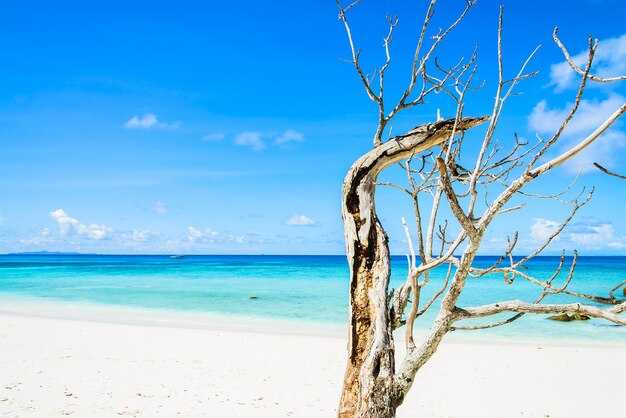
Exactly at dawn, visit Pink Sands Beach on Harbour Island along the western shoreline during the shoulder seasons (late April–early May or late November–early December) to enjoy privacy and solitude; plan for 6:15–9:00 a.m. light and minimal proximity to other groups.
Weekday mornings before 9:30 a.m. keep crowds low; by 10:30 a.m. groups from resorts and day-trippers arrive, especially near the Dunmore Town cape, so walk 1/4 mile north or south to secure more space and a tranquil line along the water.
For snorkeling, the best moments occur when the surface is calm; the reef line just off the shore allows you to explore exactly 40–60 meters from the water’s edge, where the surrounding turquoise depths host vivid tropical life and give you a sense of solitude.
If you’re exploring the area, keep in mind that exumas-bound traffic and the eleutheras influence day patterns; to maintain privacy, head to the far western end or to quieter pockets behind resorts and contact staff for private access times; this must-visit pocket rewards those seeking solitude and a tranquil walk along the cape.
Treasure Cay Beach, Abaco: Parking, Facilities, and Family Tips
Park in the main public lot by the central dune access for quickest route to the white sands and crystal water; you’ll reach sunbathing spots fast, with shade trees near the restrooms.
Facilities include clean restrooms, outdoor showers, changing areas, and shaded picnic spots; several hotels and small accommodations are within walking distance, making it easy to return for snacks or a quick regroup.
Family tips: choose the calmest shallow zones for little ones, keep a close eye on youngsters near the surf, and bring a small cooler with water; there are many spots for beach toys and casual exploration.
Visibility is quite clear on most days, with waters that look crystal and inviting for a short snorkel; wildlife comes close to shore in the shallows, offering a safe marine-viewing opportunity without heavy gear.
Getting there from nassau is straightforward: many travelers fly to Abaco, then drive a short distance to Treasure Cay; hotels and privately owned accommodations line the coast, simplifying a beach-first plan for families.
Privately owned rentals along the strip provide quiet, flexible options, while several small hotels put you near facilities and dining without long walks after a day on the sand.
The natural beauty of this tropical stretch stands out with its white sand, turquoise water, and blue-green hues; eagle sightings and other wildlife add appeal to a brief stroll along the spot.
Between the resort area and town, the practical approach is to choose a sheltered portion of the shoreline, use on-site facilities, and plan parking early on weekends to avoid crowds while keeping visibility high for the whole family.
Gold Rock Beach, Grand Bahama: Tide Windows and Snorkeling Access
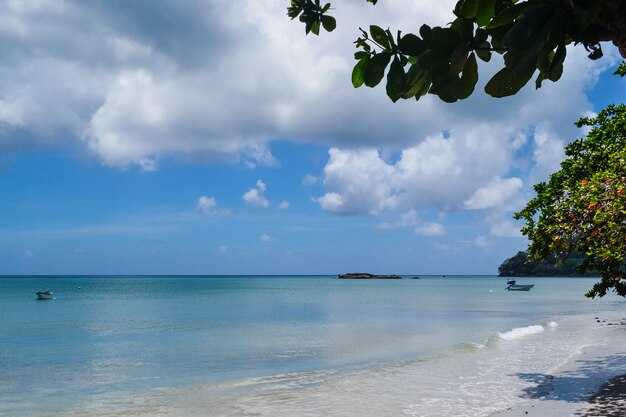
Allez pendant la première partie de la fenêtre de marée basse et apportez un masque, un tuba, des palmes et de la crème solaire respectueuse des récifs ; l'accès depuis la plage publique est simple lorsque l'eau se retire, révélant des bancs de sable et des affleurements coralliens le long de la côte, de telles conditions sont idéales pour explorer de telles criques calmes.
Les fenêtres de marée sur Gold Rock Beach s'échelonnent généralement entre 60 et 90 minutes autour de la marée basse ; consultez les tableaux des marées de la NOAA ou les avis du parc et commencez à explorer 30 minutes avant la marée basse prévue pour vous laisser le temps de préparer votre équipement, lorsque la visibilité est optimale.
Depuis la vaste zone sablonneuse, suivez un léger dérive vers les récifs de klein où les coraux se dressent dans une eau claire ; les criques le long de la côte offrent des destinations pour observer la vie récifale sans foule.
Les installations sont basiques : un stationnement gratuit près du point d'accès, un peu d'ombre limitée et aucune conciergerie commerciale sur place ; apportez de l'eau, des collations et un moyen de ranger les déchets dans les zones désignées.
Si vous prévoyez une visite, restez dans les zones peu profondes pendant la première fenêtre de marée, surveillez les courants et les créatures urticantes, protégez les coraux et évitez de marcher sur les structures de récifs ; maintenez un rythme régulier et une distance respectueuse dans chaque zone.
Les panneaux publicitaires et la signalétique fournissent des détails sur les services, des cartes des récifs et des notes de conservation, avec des emplacements cartographiés le long de la côte et des criques pour vous guider ; cette exploration offre des vues attrayantes et la possibilité de découvrir de renommées communautés coralliennes.
Cable Beach, Nassau : Accès public, commodités et vues sur le coucher du soleil
Commencez à l'accès public occidental sur Cable Beach pour un contact immédiat avec l'eau, des kilomètres de sable poudreux et n'importe quel endroit où vous souhaitez vous installer. Des fronts gérés en privé s'étendent le long des parcelles d'hôtels, mais des passages publics désignés permettent un accès facile sans frais ni permis.
Les équipements de la zone publique incluent des toilettes, des douches extérieures, des espaces de changement et des conteneurs à ordures ; des chariots de collations et des distributeurs d'eau sont courants dans les segments centraux, tandis que vous pourrez peut-être trouver du matériel de location pour le surf ou le stand-up paddle dans les kiosques à proximité, avec des vendeurs fournissant du matériel et des instructions si nécessaire.
Les vues au coucher du soleil : Alors que le soleil se couche, l'horizon brille d'une teinte orange-or, offrant des vues que les photographes considèrent comme de classe mondiale. John, un voyageur qui a visité pendant des années, note que le meilleur point de vue se trouve vers l'extrémité ouest, près du complexe Baha Mar, où l'eau capte la dernière lumière et les silhouettes de palmiers apparaissent contre le ciel, tandis que les couleurs changent avec la brise des Caraïbes.
Vous recherchez une escapade pratique dans la région de la capitale ? De Nassau à Cable Beach, la distance est courte ; l'itinéraire le long de West Bay Street s'étend sur quelques miles, généralement 15 à 20 minutes en voiture ou en VTC. Le stationnement public est disponible à proximité des principaux points d'accès, et les personnes séjournant dans les hôtels à proximité peuvent organiser des navettes privées pour les retours au coucher du soleil, ce qui facilite la visite de n'importe quel endroit le long de cette étendue.
Sports et loisirs : Le surf et les activités nautiques légères sont possibles dans des conditions plus calmes; les stands de location et les instructeurs bordent la zone centrale, tandis que les voyageurs à la recherche de bonne nourriture peuvent déguster des plats décontractés dans des stands de collations proposant des fruits de mer, des palourdes et des boissons tropicales.
Importance et précautions : L'accès public à Cable Beach soutient un flux continu de voyageurs et de locaux tout au long de l'année, renforçant le rôle de Nassau en tant que capitale et destination de villégiature des Caraïbes. Pendant que vous profitez de la plage, gardez vos objets de valeur en sécurité, respectez la propriété privée le long des façades des hôtels et restez dans les zones désignées pour protéger à la fois vous et l'environnement.