


 Français
  English (UK)
  Русский
  العربية
  日本語
日本語  한국어
한국어  Magyar
  Türkçe
  Español
  Čeština
  Svenska
  Português
  Ελληνικά
  Suomi
Suomi  Nederlands
  Română
  Italiano
  Polski
  Українська
  Deutsch
  简体中文
简体中文  Slovenčina
 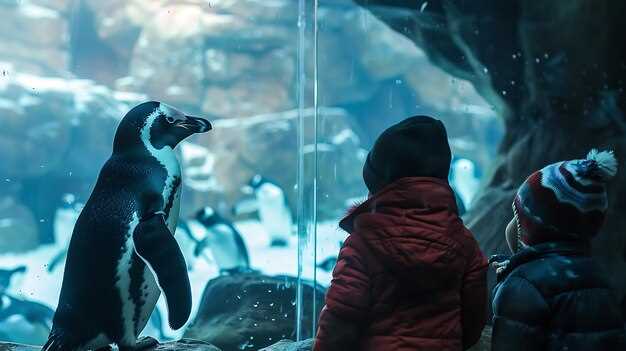 8-Day Antarctica Expedition Cruise | Immersive Polar Adventure & Wildlife">

Book this 8-day expedition now to secure close encounters along petermann Island and other icy arenas, featuring bold activity with well-balanced rest, including three-hour kayaking blocks and gentle zodiac cruises. Here, guests suit up for safety briefings and leave gear-laden routines behind to focus on immersive wildlife viewing and the scale of ice-carved landscapes.
Beyond the dramatic ice, the days flow between sheltered bays and open passages where the crew has ventured into quieter channels, offering an array of experiences: shore landings, kayaking along ice edges, and three-hour wellness breaks on deck. You’ll observe colonies past the cape and around island shores, and leaving the bustle of port behind, you gain a calm focus here as the terrain reveals its vast, intimate character.
With seasoned guides, the offer adapts to your pace: choose a quick shore stroll, a longer ice-edge walk, or a calm zodiac glide. The crew keeps flows of safety notes and wildlife spotting tips concise, and three-hour wellness blocks on deck help you refresh after active segments. Leaving the ship each afternoon, you return with memories of island coves, cape silhouettes, and a échelle once you step ashore, long after you leave the ice.
8-Day Antarctica Expedition Cruise: Immersive Polar Adventure & Wildlife
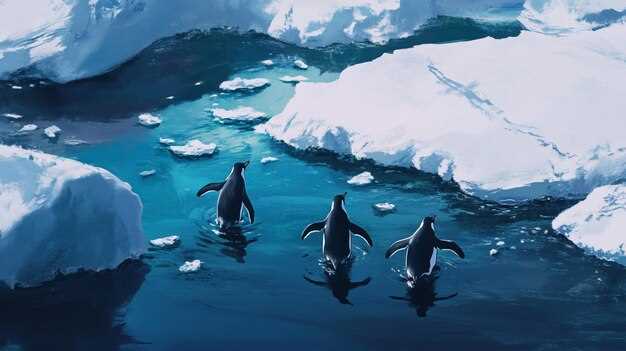
Instead of rushing between activities, book a deck-level accommodation situated on the port side for easy access to the gangway and the observation deck during early shore landings. Always pack a light layer and a compact rain shell for rapid changes in wind.
Eight days in Antarctica deliver an immersive polar adventure focused on wildlife and remote landscapes. A specialist team leads daily talks that enhance your understanding and preparation for on-water experiences.
Within many locations along the southernmost peninsula, you will observe whales, seals hauled out on ice, and penguin colonies.
Kayak options are included on calm days, offering a last glimpse of icebergs and a breathtaking perspective of the waves.
Yachts and expedition ships operate in tandem, with guides and specialists ensuring safety and respect for wildlife.
Patagonian influences appear in the culinary program and service style, with your crew and guides presenting attentive hospitality.
Featuring close-up encounters, the itinerary drops anchor at iconic locations such as the southernmost bays, offering a breathtaking scale of ice and sea, including king-size icebergs looming on the horizon.
On the last day, a farewell briefing explains how to preserve memories and share tips for continued exploration.
To maximize your experience, book early, upgrade to a larger suite if you want more space, and bring a compact camera to capture a final glimpse.
Days 3–6: Explore Antarctica with Daily Zodiac Excursions
Book your first morning Zodiac departure on Day 3 to maximize iceberg sightings and close-up wildlife along the south fjords, then keep a steady rhythm with four focused excursions.
-
Day 3 – South fjords and lockroy landing
- Upon boarding the Zodiac at 09:00, expect a 2.5-hour circuit near ice floes, icebergs, and penguin colonies along the south fjords.
- Visit lockroy for a short shore stop with a sheltered balcony viewpoint; this calm moment follows the water ride.
- hannah, a highly regarded specialist, leads a concise safety briefing and offers practical wildlife etiquette tips for every adventurer.
- Tips: wear layered insulation, bring a compact telephoto lens, and keep a spare battery; each sighting benefits from steady footing and a slow pace.
-
Day 4 – Arenas of ice and close encounters
- Morning option: a second Zodiac arc to a different cove, staying within the same region to observe gentoo and chinstrap penguins up close.
- Move at a gentle pace to minimize disturbance; take time for photos and to listen to your guide’s explanations about polar ecosystems.
- Back on board by 11:30 for a warm beverage on the welcome deck and a brief wellness stretch before lunch.
-
Day 5 – Icebergs and open channels
- Morning glide among tabular icebergs; watch for seals hauled out on floes and seabirds riding the breeze over distant arches.
- Within each stop, your guide highlights key features to photograph, helping you build a cohesive album of these polar worlds.
- Evening: a casual cocktail on the balcony as the ship threads through carved channels; the night light over the ice offers a striking backdrop for memorable shots.
-
Day 6 – Final shore options and farewell
- Morning choices include a shorter, gentler Zodiac circuit or a quieter land visit for those who prefer a slower pace.
- After the last landing, hannah and the specialist team host a brief recap of the best moments and simple wellness tips to bring your experience home.
- Night return to calm seas; a scheduled debrief in the lounge invites you to share reflections and plan the next steps of your voyage.
Day 3: Pre-landing Briefing, Gear, and Zodiac Readiness
Attend the briefing 15 minutes early to lock in the site plan for the days ahead; the guide explains geographic constraints, landing permissions, and safety rules that govern each Zodiac transfer. They tell you which sites are visited, where remains of past exploration sit, and how weather conditions can shift the schedule. Expect a concise plan with clear thresholds for changing landing targets and a calm pace that suits travelers of all experience levels.
Gear readiness starts with a robust, three-layer system: base layer, insulation layer, and a waterproof shell. Pack a compact weather kit in a dry bag: spare gloves, a warm hat, a neck gaiter, sunscreen, and lip balm. Each traveler receives a personal life jacket and immersion suit; check that your PFD is correctly sized and that the zipper seals properly. Bring a small dry bag for camera, phone, and batteries; extra power keeps you ready as light and shadows shift along the site. If you plan to shoot video or do light kayaking, bring a compact, purpose-built camera housing or dry pouch for electronics.
Before launch, your gear is transferred to the Zodiac with care, then checked again by the crew. Zodiacs are launched from the mothership after the briefing; typical craft carry 6–8 travelers plus two crew and one guide. Crew are highly attentive to safety and weather changes. Each Zodiac carries a safety kit, spare dry bags, and a line of communication to the bridge. When you approach shore, remain seated, grip the rails, and follow the guide’s instructions as they navigate waves and swell. The captain may adjust speed to keep the craft stable and to protect a fragile site or nesting birds.
In the schedule, a little flexibility helps. Relax between landings, listen to the safety recap, and tell the group if you need a moment to adjust gear. The excitement grows as you move from one site to another, with time to admire distant glaciers, observe birds, and track animal life in the wilderness. The plan includes time for questions after the briefing, so travel details for the next days become clear and you feel confident as you step into a shore-probe opportunity.
Weather notes and special considerations: seasonal atka winds can appear quickly, requiring hatch closures or gear stowage. The plan also covers whaling history and the remains of old stations at certain sites; you will learn context while staying mindful of environmental rules. Optional kayaking may be offered at calm shorelines; if scheduled, you will receive additional gear instructions and a brief safety briefing. The site-specific risks are explained, and crew will remind you to keep a respectful distance from wildlife and to stay with the group to avoid lost tracks. If conditions mandate changes, the schedule is adjusted, but the overall itinerary remains focused on wilderness exploration, nature observation, and safe travel for all travelers.
Daily Zodiac Expedition Schedule: Timings, Routes, and Landing Protocols
Plan the 07:45 Zodiac departure to maximize light and wildlife watching, and arrive at the aft deck by 07:30 for gear check and PFD fitting. Times repeat across days, keeping shore time balanced with ship activities and rest opportunities.
Two daily outings structure the schedule: morning 07:45–10:15 and afternoon 14:15–16:45. Depending on ice and weather, guides may adjust the exact window by about 15 minutes to keep safety margins.
Routes are situated and vary by ice, weather, and wildlife concentrations. On a typical day, expect a westward drift along cliff faces with beaches, penguin colonies, and other wildlife; then a calm return along calving fronts to stretch your legs and watch the scenery.
Protocoles d'atterrissage : Avant le départ du navire, l'équipage effectue une vérification de sécurité. Les transferts du navire au zodiac se font par la rampe avant ; les voyageurs montent à bord des embarcations en caoutchouc par petits groupes de deux à trois, maintiennent un centre de gravité bas et s'agrippent aux rails. Après l'atterrissage, suivez les instructions du guide et évitez de marcher sur les crevasses ou la glace fragile.
Lignes directrices concernant la faune : Maintenir une distance d’au moins 20 mètres de la faune ; garder la voix basse ; rester sur les sentiers désignés ; ne pas nourrir ni toucher ; les personnes autour de vous doivent également respecter les règles. Toujours surveiller les indications des guides concernant les conditions changeantes.
Vérification et dispositions d'urgence : Vérifiez les conditions météorologiques et les conditions glaciaires chaque matin ; si les limites sont dépassées, les opérations sont transférées vers un itinéraire alternatif et vous serez informé par le guide principal, avec quelles instructions seront fournies.
Abseiling : L'abseiling n'est pas une activité courante ; il n'est proposé que sur des sites désignés avec un personnel qualifié et un harnais de sécurité. Si proposé, l'équipement est fourni et vous devez privilégier une technique sûre et donner votre consentement ; un briefing complémentaire est requis.
Ces jours au programme offrent des vues à couper le souffle et une véritable excitation pour vos voyages. Certains voyageurs étaient impatients de passer plus de temps à observer la faune, tandis que d'autres ont choisi de faire des marches plus longues le long des falaises. Quitter le navire tôt vous donne la possibilité d'observer de près les caractéristiques géologiques. Le plan offre des options pour étirer ses jambes sur les plages, et pour regarder les phoques se prélasser le long des bords de glace ; ce rythme sur les jours maintient un équilibre entre exploration et repos, et assure que vous puissiez être situé sur le pont pour admirer le paysage ainsi qu'à terre pour des rencontres approfondies.
Zones d'atterrissage optimales pour les jours 3–6 : Terrain, faune et fenêtres météorologiques
Choisissez Deception Island pour le jour 3 afin de maximiser la variété du terrain, les rencontres avec la faune et les fenêtres météorologiques en Antarctique. Pendant l'exploration, vous débarquez le long des côtes volcaniques où la neige persiste sur les parois du caldera, des grottes percent le basalte et les ports offrant un abri invitent à de calmes visites au bord de la mer. Passez du temps sur une courte excursion en kayak le long des baies lisses, puis traversez une crête pour des vues inégalées sur l'île et sa côte cicatrisée par la mer. Cette arrivée offre un contraste mondial qui ressemble à une exploration de la nature sauvage, un hommage aux changements spectaculaires de la planète et à la manière dont les vagues façonnent les lignes de rivage. Deception Island offre le mot de la fin en termes de paysages volcaniques, créant ainsi un ton exceptionnel pour les jours à venir.
Le jour 4 met Neko Harbour au centre de l'attention, où des pentes enneigées et accidentées rencontrent d'immenses glaciers et des vues s'étendent sur la Baie du Paradis. Débarquer ici vous place aux côtés d'une colonie de manchots Gentoo le long de la côte, avec des observations occasionnelles de baleines selon la saison. De courtes randonnées, une promenade en kayak tranquille le long du bord du glacier et un tour en zodiac pour observer les phoques enrichissent la matinée ; si le temps le permet, un arrêt à Port Lockroy, une ville avancée avec du charme historique, ajoute un contrepoint culturel à la nature sauvage. Prévoyez un embarquement sans encombre et un horaire flexible avec une navette adaptée aux vagues et à la luminosité.
Day 5, Pleneau Island delivers exceptional iceberg scenery and lively penguin colonies, with terrain inviting exploring along rocky shelves and wind-swept ridges. Across the channels, you watch through a veil of spray as seals loaf on ice floes and birds wheel above the blue. Through the narrow passages between icebergs, a zodiac cruise reveals hidden coves and striking snow features; a kayak circuit around the ice edge adds an active option for those seeking more time on the water. Here, meltwater rivers carve their way down the slopes, reminding you how antarctica changes with wind and sun.
Le jour 6 met en vedette l'île Cuverville, qui abrite l'une des plus grandes colonies de manchots de Gentoo de la Péninsule et une rive large et accueillante. Le terrain favorise des débarquements faciles avec des chemins renforcés par la neige ; l'horizon offre des vues panoramiques sur les eaux parsemées de glace et les crêtes sombres au loin. Le temps passé sur la rive se concentre sur l'observation de la faune, avec des approches rapprochées des manchots et d'éventuels vols d'albatros au-dessus ; si le vent est léger, une dernière excursion en kayak dans le port rejoue les plus belles couleurs de la journée. Cet arrêt final renforce le sentiment de nature sauvage qui règne ici et la façon dont la planète continue de changer, offrant un moment de solitude inégalé avant que le voyage ne s'achève.
Wildlife Watch on Zodiac Excursions: Penguins, Seals, and Responsible Viewing
Réservez ce segment de votre itinéraire avec un guide agréé, puis montez à bord du Zodiac après le briefing de sécurité pendant les opérations du soir. Pour un atterrissage sûr, approchez les plages et les banquises lentement, en gardant le moteur au neutre lorsque vous prenez des photos ou écoutez le guide. Traitez chaque atterrissage comme une expérience en petites bouchées ; déplacez-vous avec le groupe, minimisez les pas et retournez à l'embarcation avant le site suivant.
Les colonies de manchots et les aires de repos des phoques se trouvent dans d'anciens amphithéâtres bas et peu élevés qui sont facilement stressés par les foules. Maintenez une distance respectueuse et ne poursuivez ou n'obstruez jamais les animaux. Si un manchot croise votre chemin, faites une pause et laissez-le passer ; si un phoque montre de la fatigue ou glisse vers l'eau, reculez et donnez de l'espace. Utilisez des mouvements discrets, évitez les flash et limitez l'observation à des intervalles courts pour réduire la pression sur la faune. Suivez toujours les instructions de l'équipe et n'essayez pas de toucher les oiseaux ou les mammifères.
Les conditions météorologiques peuvent changer rapidement, donc le plan peut être modifié entre les points d'atterrissage ou se déplacer vers des côtes offrant un meilleur éclairage. Les zones d'atterrissage sont choisies pour réduire la perturbation et maximiser la visualisation sûre à distance ; depuis le balcon du navire, vous pouvez comparer ce que vous voyez de près avec ce que vous remarquez depuis l'eau. Gardez votre appareil photo prêt mais réévaluez vos attentes ; une observation par petits morceaux vous aide à appréhender des moments distincts dans les vastes mondes de la vie polaire.