


 Français
  English (UK)
  Русский
  العربية
  日本語
日本語  한국어
한국어  Magyar
  Türkçe
  Español
  Čeština
  Svenska
  Português
  Ελληνικά
  Suomi
Suomi  Nederlands
  Română
  Italiano
  Polski
  Українська
  Deutsch
  简体中文
简体中文  Slovenčina
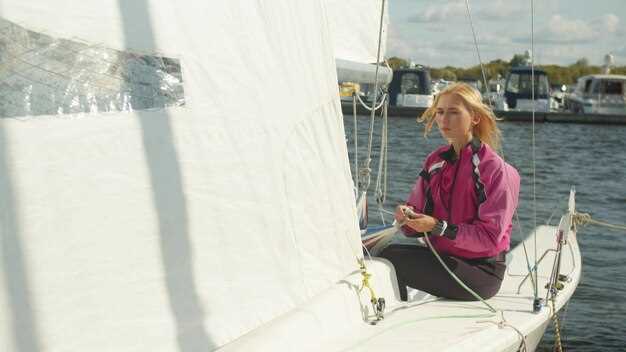
To enhance your understanding of sailing, familiarize yourself with these 50 key phrases. They provide clarity in communication and contribute to a safer experience at sea.
Understanding the difference between terms like mizzen et backstay is crucial for effectively managing the sails and rigging. Each term holds significance; for example, knowing bearing allows sailors to navigate more confidently, identifying their position relative to obstacles and currents.
As you delve into the intricacies of sailing, you might have wondered about the role of a stopper or how to quickly secure a line. The knowledge of such words aide prevent potential issues like sinking or losing control. Strong communication on board can stop confusion in otherwise challenging situations.
When out on the water, positioning yourself correctly is key. An alternative route may be necessary if strong currents are present. By mastering these terms, you empower yourself while à terre or at sea, ensuring a smooth and enjoyable experience.
Understanding Key Nautical Terms Starting with ‘L’
Learn these crucial terms beginning with ‘L’ to enhance your maritime vocabulary:
- Leeway: The sideways drift of a vessel caused by wind and current. To minimize leeway, adjust the sails and angle relative to the wind.
- Length Overall (LOA): The total length of a watercraft from the bow to the stern, measured in metres. This measurement is vital for docking and mooring.
- Line: A term used to describe any rope, except for the anchor line. Always ensure lines are fastened securely to avoid accidents.
- Lancement : To set a boat afloat or to begin a journey. Make sure the launch area is clear and check the watercraft for flotation devices before proceeding.
- Latitude: A geographical coordinate that specifies the north-south position on the Earth’s surface. Use latitude as a reference point for navigating.
- List: The tilt of a vessel to one side. A list can occur due to uneven loading or water accumulation; it’s crucial to correct it promptly.
- Localisation : The specific position of a vessel. Maintain awareness of your location to ensure safe passage and proper navigation through channels.
- Lookout: A person designated to watch for navigational hazards, other vessels, and changes in weather. Always have a lookout on board during busy sailing times.
These terms are integral for effective communication and safety while onboard. Understanding and using them correctly can enhance your sailing experience significantly.
What Does ‘Luff’ Mean in Sailing?
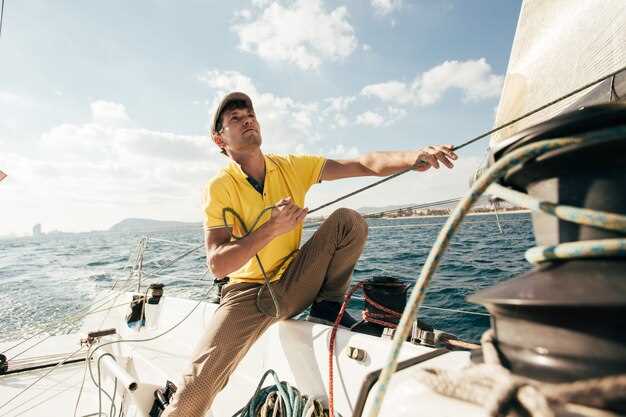
‘Luff’ refers to the act of bringing the sail closer to the wind, causing it to “flap” instead of catching the breeze properly. This maneuver can occur when trim adjustments are made to manage the sail’s angle to maximize propulsion.
When a sail luffs, it loses efficiency and can become less secure, impacting the vessel’s speed and maneuverability. Properly adjusting sails is crucial for getting the best performance, especially in challenging weather conditions like a storm.
In sailing, understanding how the luff affects your spinnaker is important. A clean, well-trimmed spinnaker helps maintain a steady flow of air around it, while a luffing sail may indicate you’re pointing too close to the wind.
It’s essential to comply with optimal sail configurations to prevent getting adrift in deep waters. A well-rigged bowline can keep the sail in position, reducing the chances of accidental luffing.
Regular cleaning and maintenance of sails, including checking for zinc or other materials on the cover, can ensure longevity and performance. Wooden boats often have specialized areas where luffing might apply differently due to their unique design and characteristics.
Understanding the relationship between luffing and sail angles allows sailors to fine-tune their approach while chartering, ensuring they navigate the waters effectively and safely.
How to Use ‘Leeward’ in Navigational Contexts
When determining your position on the water, the term ‘leeward’ is crucial. It designates the direction away from the wind, providing essential information for safe maneuvering. Keep your vessel oriented with the headsail trimmed properly, as this reduces the risk of capsizing in strong winds.
Use floating markers, such as buoys, to help identify leeward areas. These objects serve as reliable references for locating safe anchorage, especially in conditions where visibility may be compromised. Their positions often indicate the leeward side of navigational hazards.
In navigation, reducing error in your bearings is vital. When determining leeward direction, correctly figure the wind’s position relative to your boat. This aids in adjusting cordage and sail configurations to increase stability.
Remember that currents can affect your location in leeward areas. Being driven off course by external forces means you need to frequently check your bearings against fixed objects or portable navigational aids.
In summary, understanding the concept of leeward helps you make informed decisions while on the water, ensuring a safer and more controlled experience. Minimize risk with careful planning and attention to your surroundings in this context.
The Importance of ‘Latitude’ in Chart Reading
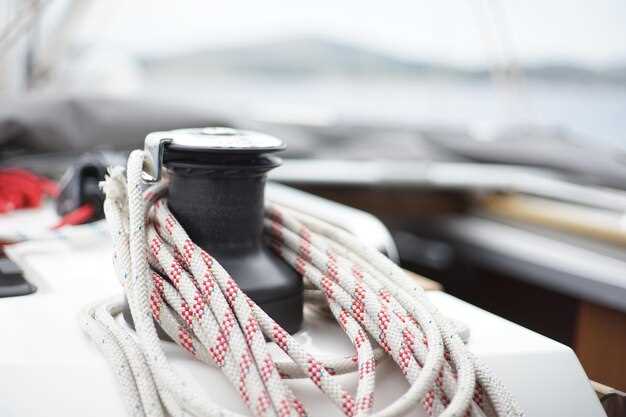
Understanding latitude plays a critical role in successful chart reading. Hatches that expose the helmsman to open air can also be the vantage point for observing landmarks along the shore, aiding in precise navigation.
Latitude determines the position of watercraft in relation to the equator and helps in identifying navigable paths. It allows crew members to communicate effectively about the ship’s location, especially in rough waters where obstacles and reefs may cause unexpected challenges.
When plotting a course, it is vital to have accurate latitude readings. Fathom calculations, which measure water depth, become more meaningful when layered with latitude data, providing a complete view of the marine environment. This knowledge helps in avoiding areas that lack adequate depth and safe structure.
Pulling into a moor or anchoring will often rely on understanding where you are in terms of latitude. Choosing a green area near the coastline can be beneficial for swift departures. With accurate readings, crews can fill sails more confidently, enhancing speed while avoiding potential hazards.
In practice, remembering the concept of the chine–where the hull meets the waterline–can assist in understanding how latitude affects your vessel’s behavior on the water. The angle of approach may require adjustments based on the latitude, especially when coming close to islands or shorelines.
Replacement of navigational tools requires precise latitude coordination, as it impacts the overall journey’s success. With every recalibration, crew members must rely on consistent latitude readings to maintain accuracy in their charting endeavors.
Définir la ‘ ligne de vie ’ et son rôle en matière de sécurité
Une ligne de vie est une structure essentielle sur un navire, fournissant un système de soutien de sécurité qui peut sauver des vies. Elle se fixe solidement aux plats-bords du bateau, créant une barrière qui aide à empêcher les individus de passer par-dessus bord dans des conditions difficiles.
Ces lignes sont généralement fabriquées à partir de matériaux durables qui peuvent résister aux vents forts et à l'usure de la mer. La forme de la ligne de vie forme une ligne continue autour du périmètre du pont, ajoutant une couche de sécurité supplémentaire lors de la navigation en eaux difficiles.
Il est crucial d'inspecter régulièrement les lignes de vie pour détecter toute usure susceptible de compromettre leur intégrité. Assurez-vous que toutes les fixations sont sécurisées et qu'il n'y a pas d'effilochures ou de points faibles. De plus, les lignes de vie doivent être compatibles avec les autres équipements de sécurité tels que les harnais et ont été conçues pour fonctionner conjointement avec les échelles de sécurité et les écopeurs, aidant ainsi aux efforts de récupération si quelqu'un venait à dériver.
De plus, réfléchissez à la position des écoutilles et des points d'accès. Des lignes de vie bien placées peuvent faciliter les déplacements en toute sécurité à l'intérieur du navire tout en minimisant le risque de chute à la mer. La connaissance du fonctionnement de ces lignes avec la structure globale du bateau renforce la confiance en navigation.
Enfin, comprenez que les lignes de vie augmentent la sécurité tant pour l'équipage que pour les passagers. Elles sont plus que de simples cordages ; elles sont un élément fondamental de la sécurité maritime et jouent un rôle essentiel dans tout voyage.
Reconnaître la ‘ ligne de sonde ’ pour la mesure de la profondeur
Pour mesurer précisément la profondeur de l'eau, utilisez une ligne de sonde, qui comporte un poids à son extrémité, appelé “ plomb ”. Commencez par la laisser tomber par-dessus bord en la laissant couler. Assurez-vous que la ligne est assez longue pour atteindre le fond. Pendant qu'elle descend, observez toute résistance ou tout arrêt soudain ; cela indique qu'elle a atteint la surface au-dessus de structures submergées.
Utilisez des marquages le long de la ligne, souvent espacés à des longueurs spécifiques, pour évaluer la profondeur. Portez une attention particulière aux changements de profondeur lorsque vous vous approchez d'une jetée, car le fond peut être irrégulier. Vérifiez la texture du fond; différents matériaux, tels que la boue ou le sable, affectent la façon dont la ligne se déplace.
Choisir les bons accessoires est essentiel. Pensez à fixer des anodes pour prévenir la corrosion si la ligne est exposée à l'eau salée. Si la profondeur semble limitée, vérifiez-la par rapport aux cartes pour détecter d'éventuels marécages ou risques de naufrage à venir. Communiquez toujours avec le capitaine pour assurer un amarrage correct et éviter le chavirement.
Utilisez systématiquement des termes comme “ ligne de sonde ” pour favoriser une meilleure compréhension entre les membres d'équipage. Le suivi de ces mesures est utile pour la planification des itinéraires, en particulier lors de l'utilisation de voiles plus grandes comme un spinnaker, qui nécessitent plus d'espace et une navigation prudente autour des obstacles. Une main ferme, ainsi qu'une référence régulière à la ligne de sonde, assurent la sécurité lors de l'accès aux eaux plus profondes.
Entraînez-vous régulièrement à utiliser la ligne de sonde. La familiarisation avec sa longueur et ses marquages améliorera votre aptitude à évaluer la profondeur, et la reconnaissance des zones moins profondes dans lesquelles il faut se rapprocher peut éviter des incidents. Intégrez-la à votre routine lorsque vous êtes sur l'eau.