


 Français
  English (UK)
  Русский
  العربية
  日本語
日本語  한국어
한국어  Magyar
  Türkçe
  Español
  Čeština
  Svenska
  Português
  Ελληνικά
  Suomi
Suomi  Nederlands
  Română
  Italiano
  Polski
  Українська
  Deutsch
  简体中文
简体中文  Slovenčina
 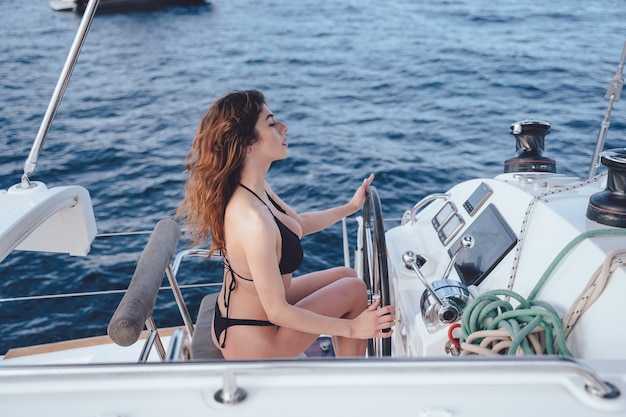 4 Helpful Tips for Renting a Yacht – A Practical Guide to Yacht Chartering">

Define your needed itinerary and budget before selecting a yacht, then confirm insurance and crew requirements, sure to align with your goals.
Ensure a safe, technical configuration with verified lifesaving gear, EPIRB, AIS, GPS, and a device that keeps navigation clear and all systems functional.
Choose mediterranean bases such as monaco or a port along the turkey coast, and map an itinerary where you visit island coves and docking points; if a dive plan exists, schedule sessions along the route; many routes start in monaco and extend toward turkey, with beaches and cliff towns guiding the way where winds are mild.
Make your preferred crew mix, ensure required certifications and general requirements; plan a route that suits sports interests, from watersports to shore visits, while ensuring a safe cruising speed and reliable weather windows since you value consistent planning.
Before departure, sign a clear agreement that outlines payment milestones, away from hidden charges, and include a thorough safety briefing; keep daily updates on weather, changes to the itinerary, and safety roles accessible to crew and guests, ensuring a great experience aboard.
Choosing the right yacht and charter type for sport fishing
Start by selecting a long-range sport-fishing yacht with a protected cockpit, a fighting chair, outriggers, and a broad deck layout that keeps anglers moving without tripping over gear. A tuna tower improves visibility, and the hull design minimizes roll in chop, which makes casting on water onboard more comfortable. Weekly charters demand reliability; in yachting circles, stability and ride quality drive choices, so prioritize boats with solid storage, a robust livewell system, and straightforward handling. This guide helps you compare options.
Charter type options range from fully crewed yachts with a dedicated fishing cockpit and several cabins to compact day boats with overnight options. According to the itinerary, choose a configuration that balances range, fuel efficiency, and crew presence; usually larger builds deliver more stability and space. If partying is on the radar, ensure the plan restricts it to acceptable times; otherwise, opt for a quieter platform. Make sure the configuration makes sense with your budget and preferred boating style.
Contact the provider early, submit inquiries, and confirm what the charter includes: tackle, rods, reels, outriggers, livewell, refrigeration, and watermaker; verify the cabin count and berths match your group, their bed layouts, and whether the booked option includes a captain and crew. Check deposit terms, with withdrawing allowed under limited windows.
Technologies such as GPS mapping, fish finders, radar, VHF, and AIS should be onboard; confirm electronics are up to date and operable by the experienced captain. Most vessels offer integrated sonar, weather overlays, and extremely reliable connectivity; usually the systems are well supported by the provider.
Cabin count matters: ensure at least one double cabin per couple, plus bunks if guests travel; verify air, headroom, and storage for gear in the tackle store; draft a simple weekly itinerary with daily fishing segments, water landings, and a buffer for weather. Steps to finalize include comparing two or three options, listing inquiries in writing, and confirming the deposit amount before booking; depending on season, cancellation policies may be strict, so lock in your plan early.
Target species and key gear checklist
Identify target species by season and areas, then align deck gear with depths and currents. Check booking details with the rental company at the marina, and decide whether you explore northern reefs or relaxing playa zones. Include a pole, a sturdy deck rod, and a mid-size reel capable of handling reef species; track fuel use and reel wear after each outing.
Gear checklist: pole, deck rod, reels in 20-60 lb class, extra lines, leaders, jigs, natural bait rigs, hooks, gaff or net if allowed by safety policy, handheld sonar if permitted, sunscreen, hat, water, and a cooler. Rentals exist at some areas; youre advised to book from the company if you lack own tackle, and confirm whether deck crew supply rentals or you should bring your own gear after docking at a marina. Additionally, organize lines to avoid tangling, and track usage according to which spot produced action, and whom to contact if gear goes missing.
Target species by zones: northern ports yield bass and seasonal mackerel, while tropical playa and reef edges host snapper, grouper, mahi, and tuna. In northern tracks, keep a light to medium setup; in sunny playa zones, a heavier rig can handle bigger action. After sunrise, plan exploring runs along channels and head offshore when seas ease, noting areas that produced action on a track sheet. National regulations on catch limits apply, so youre renting gear with awareness that renters and renters’ track should stay compliant with rentals.
Charter types for sport fishing: bareboat, crewed, or flotilla
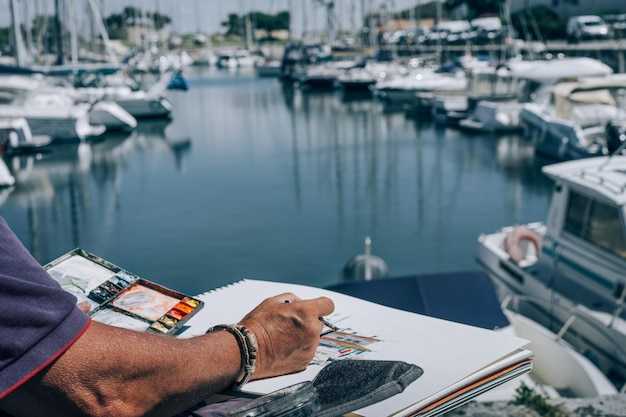
Opt for a crewed option or flotilla when youre seeking reliable sport fishing with experienced crew, organized routes, and stress-free logistics; bareboat demands experience and self-sufficiency, with full responsibility for navigation and safety.
-
Bareboat
The vessel stays in your control; youre the captain during the trip. This path suits anglers with having strong seamanship and confidence to helm, anchor, and handle gear in remote coves and island channels. The cabin offers sleeping quarters and onboard sports fishing gear; provisioning and tackle can be arranged by vendors or added on request. Cost tends to be lower than crewed options, but fuel, marina dues, and provisioning add up. Ensure proper insurance coverage and comply with licensing requirements. When selecting, map routes across destinations in your region, including northern waters near america and island chains off Monaco; plan provisioning in advance and coordinate with your crew on meals and fishing plans. Keep simple logs of actions and expenditures for accountability.
-
Crewed
The crewed package includes captain and one or more crew; meals and provisioning are typically coordinated via provisioning vendors or the yacht’s staff. This option reduces hands-on workload, letting anglers focus on spots and techniques. The captain handles navigation, safety checks, gear setup, and fish processing; cabin space and lounge accommodations remain on board. Expect a higher cost, but the value comes from reliability, on-water support, and a smoother schedule near islands or american destinations; check that the plan includes insurance coverage. Plan the route with the captain and identify your target species and preferred fishing areas, and ask whats included in provisioning and meals (whats on the menu).
-
Flotilla
A flotilla mixes multiple hulls under a lead vessel; a support craft accompanies the group. This setup suits anglers who value social experiences, shared provisioning, and consistent safety oversight. The lead skipper coordinates route, weather checks, and schedule adjustments; individual boats handle catch, gear, and personal provisioning. Costs are shared, with per-boat fees that cover coordination and safety services. Destinations typically include island groups and calm channels; many flotillas operate from bases in america or near Monaco. Verify gear, licenses, and insurance apply. Vendors can arrange add-ons such as expert guides or baits, and you can identify the best matches to your choices of season and target species.
Bottom line: pick based on experience, appetite for control, and need for support; ensure you understand the route, safety plan, and provisioning options before confirming with vendors in america, Monaco, or other northern destinations.
Crew qualifications and on-board fishing guidance
Recommendation: Require pre-departure submission of valid licenses, medical certificates, and training records. This standard helps with choosing a provider. Check records against a standardized crew dossier and track record of safety drills and on-board fishing operations. Obtain consenting records directly from the provider; avoid subpoenas by ensuring direct sharing of documents. This keeps the process smooth and supports exploring adventure with confidence, especially during rental arrangements.
Role qualifications include: Captain, Mate, On-board fishing instructor, Engineer, and Deckhand. Captain must hold a valid commercial license, STCW compliance, current medical, and a track record of 2,000+ hours commanding charter vessels. Mate should carry a recognized deckhand credential plus 1,000+ hours in coastal operations. On-board fishing instructor must complete a certified fisheries course with knowledge of local species, seasonal closures, bag limits, and gear handling. Engineer needs a marine engineering certificate and current service records. Deckhand requires basic safety training, line handling, waste management, and care. Larger groups require appointing a dedicated liaison (e.g., carmen) to coordinate gear, safety, and guest flow. Typically, a captain and two crew support operations on smaller charters.
On-board fishing guidance covers what guests can do safely, what equipment is provided, and what etiquette to observe on deck. Regions regulate species quotas and seasonal closures; gear restrictions and bag limits require adherence. The on-board fishing instructor should explain safe handling, proper fish care, releasing methods, and how to park equipment when not in use. Document consenting for fishing activities, and coordinate with the agent to align sessions with guest plans. Plan food service around fishing sessions; keep galley separate from the deck area; maintain clean surfaces. Statistics from operators show higher guest satisfaction when a clear process is followed and care is taken in handling gear and catch. Other considerations include guest flow management and waste disposal.
| Rôle | Qualifications minimales | Notes |
|---|---|---|
| Capitaine | Valid commercial license; STCW; current medical; track record of 2,000+ hours commanding charter vessels | Navigation, safety, fishing operations lead |
| Mate | Recognized deckhand credential; 1,000+ hours in coastal operations | Supports captain; deck management |
| On-board fishing instructor | Certified fisheries course; knowledge of local species; seasonal rules; gear handling | Leads guests in gear use; emphasizes releasing methods |
| Engineer | Marine engineering certificate; current service records | Maintains systems; safety gear checks |
| Deckhand | Basic safety training; line handling; waste management | Assists with fishing gear; supports etiquette |
Deck layout, gear storage, and rod holders
Install an aft-focused deck plan with three gunwale rod holders on each side, mounted 40–60 cm apart and 70–100 cm above deck to keep lines clear while moving. This arrangement supports guest stay on deck during marina operations and contributes to an enjoyable experience.
Store tackle in watertight 25–40 L boxes beneath seating, plus a 50–70 cm wide, lockable locker adjacent to the prep surface; use vertical racks for up to eight spare rods; label compartments by guest name to simplify access and reduce delays when many guests are aboard.
Choose corrosion-resistant 316 stainless steel rod holders, install non-slip deck mats around the prep area, and use UV-stable plastics for reels and tackle boxes; provide a seawater washdown hose, and ensure access from both sides of the cockpit to speed shifts between tasks.
Before booking, check with vendors which gear is included in rentals; review statistics from recent trips; remember to compare prices; confirm payment options and security; confirm a clear list of gear and spares to minimize guest wait times and maximize an enjoyable experience.
Indonesia marinas demand robust protection against salt spray; ensure access to shore power to charge electronics near the helm; collect guest wishes early, ensure long-range gear is reachable, and remind wearing non-slip footwear; a reputable setup supports luxury and a smooth stay for guests while protecting the environment.
Costs, insurance, and permits to confirm before booking
Always request a complete price breakdown in advance and obtain written confirmation. Costs depends on itinerary, season, vessel class, crew scope, and included amenities such as jacuzzi, cabin layouts, onboard services, and provisioning. Check whether the main rate covers port dues, fuel, and crew, or if these items appear as separate line items. If a line item is marked as optional, insist on a fixed quote to avoid surprises during reservation processing. Weekly rates are common; verify whether discounts apply to multiweek voyages. Compare offerings among reputable operators, and consult industry blogs to gauge whom you should trust. Special requests require confirmation in advance so you can secure memories onboard.
- Clarté des prix : demandez une énumération écrite des services inclus, tels que le skipper, l'hôtess/hôte, le personnel de pont, le chef, l'avitaillement, l'hébergement en cabine et la capacité maximale de passagers.
- Frais cachés : indiquez si le carburant, les droits portuaires, les frais de dédouanement, les droits de douane, les pourboires de l'équipage, les taxes de marina ou l'élimination des déchets sont inclus ; si ce n'est pas le cas, exigez un montant forfaitaire à ajouter.
- Caractéristiques du navire : vérifiez les équipements que vous attendez, tels que jacuzzi, climatisation, Wi‑Fi et jouets nautiques ; assurez-vous qu'ils sont garantis dans le contrat.
- Contraintes d'itinéraire et de destination : confirmer si certains trajets via les Îles, la Croatie, la Turquie ou la Riviera entraînent des coûts supplémentaires ou des exigences en matière de permis.
- Acomptes : documenter le montant du dépôt, les échéances de paiement et les conditions d'annulation ; s'assurer que vous êtes à l'aise avec le calendrier.
Assurances essentielles : exigez un certificat d'assurance (COI) indiquant votre nom en tant qu'assuré supplémentaire lorsque cela est approprié ; vérifiez les couvertures concernant la coque, la responsabilité, les passagers et l'équipage avec des limites minimales claires. Vérifiez si une couverture médicale, une évacuation et un soutien médical à bord sont inclus ; si ce n'est pas le cas, confirmez si des modules complémentaires existent. Assurez-vous que la protection annulation est incluse ou disponible séparément, ainsi que des franchises et exclusions claires. Précisez toute condition spéciale, telle que les besoins d'accessibilité ou les décharges de responsabilité concernant l'équipement spécial. La police doit spécifier le versement maximum par événement et les limites globales ; vérifiez si les coûts à bord comme les jacuzzis et autres équipements sont couverts par le plan. Assurez-vous d'être à l'aise avec le protocole en cas de réclamation, afin de pouvoir gérer les perturbations sans sacrifier les souvenirs.
- Spécificités de la COI : demander à nommer votre entreprise comme assuré supplémentaire si applicable ; confirmer que les limites de police sont conformes à la taille de votre groupe et à votre destination.
- Champ de couverture : s'assurer que les protections concernant la coque, la responsabilité civile, les passagers et l'équipage sont incluses, avec des exclusions explicites expliquées.
- Médical et évacuation : veuillez confirmer que les prestations médicales et une éventuelle assistance à l'évacuation font partie du forfait.
- Conditions d'annulation : comprendre les clauses de renonciation liées à la météo, les implications de la force majeure et les délais de remboursement.
Permis et étapes réglementaires : vérifiez quels documents le transporteur gère et lesquels vous devez organiser à l'avance. Certains itinéraires nécessitent des permis ou des dédouanements de l'État du pavillon, de la douane ou des autorités portuaires. Les itinéraires croates et turcs exigent particulièrement une coordination des horaires ; confirmez si les états de bord, les listes de passagers ou la documentation d'assurance des passagers sont nécessaires avant l'arrivée. Si des éléments doivent être organisés par vous, notez les échéances et conservez des copies à portée de main. Les opérateurs fournissent souvent une liste de contrôle dans le cadre du forfait de réservation anticipée, en particulier lors de la visite des îles ou de la Riviera. Si un contrat indique des tâches gérées par vous-même, vérifiez que vous êtes à l'aise avec le processus et qu'un courtier réputé sera en mesure de vous aider ; cela réduit les risques lorsque vous débutez en Croatie.