


 Suomi
Suomi  English (UK)
  Русский
  العربية
  日本語
日本語  한국어
한국어  Magyar
  Türkçe
  Español
  Čeština
  Svenska
  Português
  Ελληνικά
  Nederlands
  Română
  Italiano
  Français
  Polski
  Українська
  Deutsch
  简体中文
简体中文  Slovenčina
 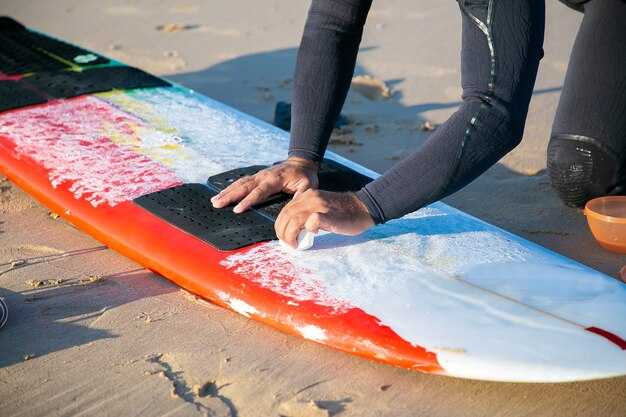 Wakeboard Sizes, Profiles, and Shapes – The Definitive Guide">

picking the right wakeboard size starts with your weight and experience. For beginners, choose a board in the 136–139 cm range if you weigh about 60–85 kg; riders heavier than 85 kg will feel more stable on a 139–142 cm board, while lighter riders benefit from 132–136 cm. This narrowing helps improve balance and early catch-free rides, so they can focus on the basics rather than fighting the board.
In wakeboard profiles, the difference between continuous rockers, 3-stage rockers, and hybrid shapes guides your performing style. Choose a continuous rocker for smooth planning and a steady arc; a 3-stage setup delivers more pop and a bigger swing on launches, which helps when learning tricks. For beginners and riders chasing stability, a rounded rail setup reduces edge catches and providing predictable behavior in chop. they also help heavier riders, who often benefit from slightly longer boards with a softer rocker line to keep speed without digging in.
When selecting boards for specific riding, consider how the profile handles speed, pop, and edge control. they tend to blend a balanced outline with a rounded nose, which helps turns flow into forgiving landings and keep the swing predictable. If you aim for better control on big wakes, a heavier core and a longer outline can help, with a rounded rail that stays predictable in chop. For pros and ambitious learners, evaluate a mid-length board to build confidence before moving to pro models, ihmettelemässä how your weight, skill, and conditions shift the selection. Providing more time on the water, the right choice reduces fatigue and increases session length.
Practical Framework for Choosing Gear by Ability Level
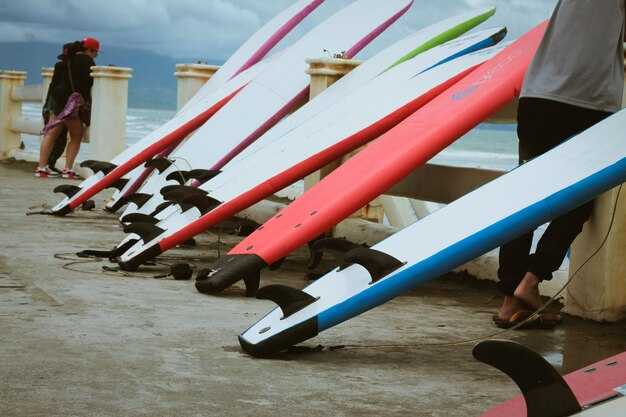
Begin with wakeboard boards that are 4–6 cm longer than your height, rounded in the tips for smooth releases, a large surface for added stability, and soft bindings that let your ankles flex. These boards provide stability on flat water and make the start easier, so you can enjoy learning without stressing your back, providing predictable balance for beginners.
Intermediate riders can tune toward a balance: choose a board around your height with a medium rocker and a mid-flex; a slightly narrower profile improves edge control. Bindings should be mid-stiff to deliver feedback without harsh landings. This setup supports maneuvers and getting into the groove of ripping toward more aggressive lines, while keeping enough stability for daily sessions. For park riders, add a grind that is clean and controlled to build confidence there on the water. If you ride rails, practice the grind with controlled heelside and toeside approaches. There thats a natural progression toward greater capability.
Advanced riders move toward shorter wakeboard length with a narrower, more rounded outline and a crisp, fast rocker. Although it demands consistent technique, this setup boosts speed and agility for aggressive maneuvers and rail lines. A shorter length, about height minus 2–6 cm, and a taller stance improve pop and control. Bindings should be stiffer for precise landings, yet forgiving enough to protect ankles. Because this setup reduces swing weight, you pop higher and land cleaner, thats why this profile is favored by riders chasing bigger hits, yet it still maintains stability there when you land.
Sizing the Board: How to pick length and width based on weight, height, and riding goals
Start with weight-based starting points: under 60 kg: 132–136 cm; 60–75 kg: 134–138 cm; 75–95 kg: 136–140 cm; over 95 kg: 138–142 cm. This yields a stable platform and increased confidence on takeoffs and landings. For about a 70 kg rider at 175 cm, aiming for parks and cable riding, pick a 136–138 cm board, which offers quick transitions and cleaner edge control.
Height and body proportions shape your stance width. A taller rider benefits from a slightly wider stance to disperse pressure across the board, while a shorter rider keeps the stance near shoulder width for quicker response. This matters for balance and direct edge control, and it signals to informed onlookers that you sized the board appropriately.
Riding goals guide the rest. If you prefer smoother landings and softening of impact, choose a board within the mid-to-long range; if agility and pop matter more, lean toward the shorter end. For parks and experienced riders chasing crisper turns and big airs, go longer within the recommended band. A mid-range length offers quality stability while remaining nimble, increasing your chance to learn new tricks and offering a solid platform for progression.
Width matters as much as length. Measure your boot width and pick a waist width that leaves about 1–2 cm of toe clearance and a similar allowance for the heel in stance. If you wear a larger boot (US 12+), start with a wider waist; if you wear a smaller boot (US 7–8), go narrower. This approach provides cleaner turns, reduces toe-drag, and makes the setup easier to cater to bindings, providing a direct, comfortable feel for both beginners and experienced riders.
Camber and overall profile influence agility and pop, but sizing remains the foundation. For most riders, a mid-camber board sized within the mid-range balances stability with playfulness. For heavier or taller riders, a longer length with a softer camber increases comfort and diminishes edge catching, offering a safer ender on difficult landings. About this, the approach is common among experienced riders, and the best boards then become quality tools for all-day sessions in parks and cable systems.
Profile Fundamentals: How rocker, concave, and deck shape affect stability and lift
Choose a board with a mellow continuous rocker for learning; it keeps speed controlled and the water feel smoother, reducing edge catches and helping you stay centered during starts.
Rocker profiles
- Continuous rocker: delivers steady speed and stable tracking, especially through flats and chop. Edges stay predictable, making it easier to keep the board in line and perform smooth transitions.
- Three-stage rocker: yields bigger pop off the wake and faster planing, but the ride can feel less forgiving in rough water; ideal for advanced riders chasing lift and longer, direct swings off the wake.
- Hybrid rocker: blends the benefits of both, providing reliable planing speed with added pop when you need it, catering to riders who ride parks, flats, and occasional kickers.
Concave and hull shaping
- Flat bottom with a shallow single concave: centers lift and delivers a smoother transition at speed; reduces bite on edge changes and helps riders stay balanced through slides and rolls.
- Double concave with a tail V: channels water toward the rails for extra lift and a crisp edge response; enhances performance at speed and during launches, though it requires precise timing to avoid oversteer in corners.
- Edge interplay and concave: shapes that emphasize the edges provide more direct grip for carving, while milder concave reduces abruptness in landings, making it easier to stay in control during transitions.
Deck shape and rails
- Square rails: offer direct edge feel and solid bite in parks and on rails; this feature helps you keep a steady line when you’re ripping through transitions and slides.
- Rounded rails: deliver a smoother entry into turns and a forgiving feel on choppy water; great for progressing riders who want confidence during flat-water wakes and landing softly.
- Deck stiffness and camber: stiffer decks return energy quickly for faster pop, while softer decks absorb bumps for a steadier feel during long rides and landing sequences.
Selecting sizes and features
- Size guidance: for most riders, boards in the 135–139 cm range cover a broad weight span; bigger riders gravitate toward 140–144 cm, smaller riders toward 134–136 cm. Bigger sizes generally provide more stability around flats and rough water.
- Profile by goals: beginners benefit from a gentle rocker and flatter hull for easy planing; park riders may prefer square rails and a stiffer deck for direct control during slides; advanced riders often seek a hybrid setup for versatility.
- Making the informed choice: test different features and sizes to keep informed, and select boards that cater to your expected terrain–flats, parks, or a mix. источник usable guidance can come from coaches or experienced riders; use that источник to compare how performance differs in real conditions.
Key takeaways for performance
- Speed and lift hinge on rocker and hull shape; smoother water interaction equals steadier planing and better time on edge holds.
- Edges and rails determine how directly you can swing into turns and how stable you stay on landings; square rails give you bite, rounded rails give you forgiveness.
- Feature selection should match your level and riding style: bigger boards aid stability, while lighter, narrower boards boost responsiveness for advanced maneuvers.
thats the core idea: a balanced profile lets you stay in control through flats and wake, while still delivering enough lift for confident launches. Keep exploring different sizes, rocker types, and concave configurations to find the setup that lets you perform consistently and progress steadily, especially when you’re riding in parks, on the lake, or chasing smoother lines over rough water. The path to finding your ideal feel comes from trial, time, and making informed choices about edges, shapes, and decks, always guided by your preferred riding context and goals.источник
Edge and Camber: How bevels, camber, and flex influence grip, pop, and landings
Aloita monipuolisuuden takaamiseksi kohtuullisella viisteellä ja camberilla: kolmesta neljään asteen reunaviiste ja keskikorkea camber-profiili, joka tarjoaa pitoa, ponnahdusta ja anteeksiantavia alastuloja vesiolosuhteissa. Tämä asetus sopii keskialueen laskijoille, jotka nauttivat parkeista ja ilmatempuista, sekä niille, jotka haluavat vakaata ja ennakoitavaa suorituskykyä pinnalla. Sen pitäisi tuntua tasapainoiselta ja helposti hallittavalta, mikä auttaa sinua lieventämään virheitä ja parantamaan johdonmukaisuutta.
Reunakulman erityispiirteet: terävämmät reunat pureutuvat kanaviin ja liukujen aikana kaiteilla, lisäten pitoa ponnistuksiin enemmän kuin tasaisessa laudassa; miedompi, noin kahden asteen kulma pehmentää pohjan tärinää ja pitää pinnan ennustettavana; parkeissa lisätty pito parantaa otetta, mutta vältä tarttumista veteen pohjissa, mikä voi heittää alasajoja pois tasapainosta.
Camber ja jousto: camber varastoi energiaa ponnistusta varten; keskikaari auttaa heilahtamaan ilmaan, mikä mahdollistaa paremmat ilmalennot; pehmeämpi jousto keskiosassa vaimentaa alastuloja, mikä helpottaa aloittelijoiden hallintaa; jäykempi jousto lisää ponnistusta, mutta voi olla vaikeampi vaimentaa pehmeitä alastuloja. Useimmissa olosuhteissa keskijäykkä jousto toimii parhaiten, jolloin laskijat voivat nauttia sekä pidosta että anteeksiantavista alastuloista.
Pohjan muoto ja koveruus: Syvä koveruus keskiosassa parantaa kanttien hallintaa ja vakautta aallokossa. Kuten kuvassa, nelikanavainen pohja tyhjentää vettä pohjan ympäriltä, mikä lisää pitoa käännöksissä ja epätasaisella pinnalla. Tällainen rakenne auttaa myös laskujen hallinnassa parkeissa ja liukujen yhdistämisessä.
Ratsastajakohtaisia vinkkejä: aloittelijan kannattaa valita pehmeä kanttikulma (matala aste) ja tasaisempi jalkavuus, noin yhden tai kahden asteen viisteellä ja pehmeällä pinnalla; parkeissa liikkuvat voivat valita lisäpitoa ja hieman jäykemmän jouston popin parantamiseksi; monipuolisissa olosuhteissa laskeville sopii jalkavuus, jossa on puoliksi kovera pohja, joka sopii moniin tilanteisiin ja mahdollistaa pidon ja anteeksiantavuuden alastuloissa.
Rocker-konfiguraatiot: Jatkuva, 3-Vaiheinen ja Hybridi selitettynä käytännönläheisillä vinkeillä
Useimmille ajajille sopii hybridirockeri: se yhdistää tasaisen suunnittelun nopeaan potkuun, tarjoten mukavia siirtymiä ja luotettavaa poppia monenlaisissa olosuhteissa.
Jatkuva rocker Säilyttää yhtenäisen, kaartuvan linjan kärjestä kantaan luoden pidemmän keskiosan, joka tuntuu vakaalta käännöksissä ja liukuessa. Se säilyttää liikemäärän, vähentää äkillisiä siirtymiä ja lisää vakautta nopeudessa, mikä auttaa aloittelijoita kehittämään itseluottamusta ja ammattilaisia pitämään pidempiä linjoja ilman yllätyksiä. Kantit pysyvät kiinni ennustettavalla pidolla, ja profiilit pysyvät anteeksiantavina aallokossa. Kun haluat ajaa tasaisessa vedessä tai pitää puhtaita linjoja, tämä kokoonpano toimii hyvin. Herättäminen nopeudessa tuntuu sujuvammalta jatkuvalla linjalla, ja se tukee tasaisia, sujuvia pyörähdyksiä jokapäiväisessä ajossa.
3-vaiheinen rocker kulkee kolmen selkeän mutkan läpi, tuottaen napakan lähdön ja aggressiivisen ponnahduksen. Taili tuo jyrkän potkun isoihin flippeihin ja korkeuteen, kun taas keskiosa pysyy litteämpänä planauksen helpottamiseksi. Lopputulos tuntuu painavammalta ja äkkinäisemmältä keulasta, ja se voi olla vähemmän anteeksiantava karkeassa vedessä. Käytä tätä, jos tavoittelet korkeampaa ilmaa, tarkkaa ponnahduksen ajoitusta ja voimakasta potkua; se sopii ajajille, jotka haluavat maksimaalisen vaikutuksen ja hallinnan suuremmilla nopeuksilla tasaisissa olosuhteissa.
Hybrid rocker yhdistää tasaisemman keskiosan ja ripauksen tailin ja tipin potkua, luoden monipuolisen profiilin, joka toimii puistoissa, reileissä ja veneen peräaalloissa. Tämä design säilyttää keskiosan vakauden ja tuottaa samalla hallitun, maltillisen popin. Lopputuloksena on joustava kategoria, joka tuntuu mukavalta sekä pehmeissä laskuissa että nopeissa siirtymissä, ja tarjoaa luotettavan tuntuman lähes kaikissa olosuhteissa.
Käytännön vinkkejä: valitse timanttikärkiprofiilit nopeampaa kantin purentaa varten ja vähentääksesi kiinnijäämisen riskiä keskellä. Jos haluat lisätä nopeutta ja tasaisempia alastuloja, valitse jatkuva tai hybridi oikeakätisessä asennossa; testaa käänteisajoa varten kunkin mallin kääntövastetta. Painon mukaan valittaessa painavammat laskijat hyötyvät hieman pidemmästä laudasta ja jäykemmästä kannesta; tämä parantaa suorituskykyä ja vähentää löysyyttä alastuloissa. Vesilinjan alapuolella rockerin muoto vaikuttaa iskuun, kun laskeudut aaltoihin; tasaisempi nousu vähentää iskua ja tekee alastuloista mukavampia; jyrkkä pää työntää laudan herätteeseen tarjoten aggressiivisempaa poppia. Muista, että suuremmat laudat voivat tuntua pidemmiltä vedessä, kun taas pienemmät laudat tuntuvat ketteriltä ja reagoivilta; valitse kokemustason ja tavoitteiden mukaan.
Ajajien oppaat suosittelevat aloittamaan hybridillä yleisissä sessioissa ja sitten säätämään jatkuvaan tasaisen nopeuden saavuttamiseksi tai 3-vaiheiseen suurempien ilmalentojen mahdollistamiseksi edistyessäsi. Riippumatta siitä, ajatko kaapelipuistoissa vai veneellä, oikea rocker-konfiguraatio parantaa suorituskykyä ja säilyttää hallinnan kategoriasta tai tyylistä riippumatta.
Taitotaso-opas: Suositellut asetukset aloittelijoille, keskitason laskijoille ja edistyneille laskijoille
Valitse aloittelijoille 136–139 cm:n lauta pehmeillä siteillä, jotta vakautta voidaan maksimoida ja vastusta vähentää lähdöissä.
| Level | Laudan pituus (cm) | Rocker/Profiili | Siteet ja asento | Why it helps |
|---|---|---|---|---|
|
Aloittelijoille |
136–139 |
Loiva-keskikova rocker; anteeksiantava kantti ennustettaviin lähtöihin |
Pehmeät siteet; asennon leveys 46–54 cm; kanavat auttavat hienosäätämään leveää ja mukavaa asentoa |
Tarjoaa erityistä vakautta ensiajeluilla, tasaisempaa liukumista ja vähentää kaatumisia; ajajat jakavat palautetta valmentajien kanssa helposti; he saavat itseluottamusta, tuntevat olevansa tuottavia vesillä ja nauttivat oppimisesta. |
|
Intermediate |
137–142 |
Keskikokoinen tai hybrid rock -profiili; tasapainoinen ponnaus ja vakaat alastulot |
Keskipehmeät siteet; asennon leveys 51–56 cm; käytä kanavia kohdistamaan siteet lantion kanssa |
Parempi kantinhallinta ja nopeuden säätely; edistää tasaisempia siirtymiä ja toistettavaa suorituskykyä taitojen kehittyessä. |
|
Edistynyt |
132–136 |
Aggressiivinen, korkean vastuksen lauta, jossa on jäykkä rakenne; viritetty nopeisiin käännöksiin |
Jäykät siteet; asennon leveys 53–58 cm (21–23 tuumaa); tarkka kanavalinjaus mahdollistaa hallitun tuntuman |
Tarkkuutta nopeudessa, voimakkaita ponnistuksia ja hienostunutta aallokon hallintaa; he valitsevat asetukset, jotka tukevat tietoon perustuvia päätöksiä esteiden ja temppujen yli. |