


 Suomi
Suomi  English (UK)
  Русский
  العربية
  日本語
日本語  한국어
한국어  Magyar
  Türkçe
  Español
  Čeština
  Svenska
  Português
  Ελληνικά
  Nederlands
  Română
  Italiano
  Français
  Polski
  Українська
  Deutsch
  简体中文
简体中文  Slovenčina
  Ultimate Guide to Watching Northern Right Whales in Florida – Best Spots, Tips, and Safety">

Plan your March Florida trip to see Northern Right Whales from the Space Coast, and head there with one clear rule: give space and stay safe while watching, whether you stand on the beach or join a licensed voyage.
There are two reliable options: land-based viewing from calm beaches and a licensed boat tour that respects the whales’ space. Upon arrival, check with the team at the visitor center for earlier updates on whale activity and current restricted zones. From the beach, the best windows are at low tide when the shallow, wind-sheltered waters let you spot blow, tail, and the contour of a head rising above the water not far offshore.
When the interval between sightings is short, guests stay engaged by scanning the water with binoculars and staying with a guided crew. March through early spring is the prime period when right whales travel along Florida’s coast; winter calm conditions can extend viewing days, while mid-winter swells may limit visibility. To improve your odds, choose early morning sessions and keep your photos steady, aiming to capture a safe, respectful pass close to shore.
For safety, always follow the crew’s instructions, wear a life jacket on boats, and keep guests and kids at a safe distance from the rail, whether you are on the beach or on board. In the open ocean, life jackets can be required; never chase a sighting, and avoid placing any gear or food in the water, which could attract fish and other wildlife in ways that disrupt the whales’ rhythm.
Every visit yields fresh discoveries; everyone who spends time on Florida’s beaches notes the beauty of the coastline and the calm power of a whale surfacing. The display of these ocean giants offers a powerful reminder that a shared space requires care, and your participation supports life in the waters for years to come. If you plan ahead now, you’ll enjoy the experience with guests and friends on the beach or from a boat, and you’ll carry that memory with you through the winter into spring.
Best Florida Viewing Locations by Season and Whale Behavior
Head to Cape Canaveral from January through March for the best shot at a closer encounter with north Atlantic right whales; spend time aboard a licensed whale-watching charter to maximize your watching and keep guests safe. Pete’s Charters (petes) often have Wesley and Mckenzie aboard to point out blows, breaches, and the subtle moves that signal calm behavior before a longer interval of surface time.
Winter to early spring hotspots include Cape Canaveral’s Jetty Park and nearby beaches, Sebastian Inlet, and Ponce Inlet. These sites let you watch from the beach or a small boat, offering a space to sight a first blow within a few minutes and a sense of the whole scene unfolding at a comfortable level for a family-friendly day. youre able to keep your distance while getting good looks, and you can compare what youre seeing with field notes from guides or apps.
In February and March, Sebastian Inlet, Fort Pierce, and Vero Beach offer more reliable sightings as pods travel along the coast. These spots provide calmer water and easy shore access, making a family-friendly day trip feasible. Bring binocs or a scope, bring a lunch, and schedule your interval times so youre not waiting in the heat for a long stretch of nothing.
North Florida options like Amelia Island and Fernandina Beach, and the St. Augustine area (Fort Matanzas) give a chance to see northbound groups that move closer to shore. From the beach, you can watch as the whole group surfaces and sometimes you see a tail-slap or breach. A guided boat trip can supplement with additional sightings when the space between the whales and the vessel closes.
Stay safe and respectful: keep the 500-yard rule, slow engines, and watch for signs of stress. Use disinfected gear; keep guests calm; these practices make the encounter more enjoyable and reduce disturbance. If a mother-calf pair approaches, back off and give them space; youre responsible for a safe, humane experience.
These options provide a number of viewing opportunities across the season. Look for more consistent sightings in peak months, plus the ability to tailor to your family schedule. Bring a picnic, a blanket, sunscreen, and disinfected wipes, and be ready to move with the wind and whales. If youre looking to maximize your time, coordinate with local operators like petes, and ask guides such as Wesley and Mckenzie to map a plan that keeps the group together and increases your chances of a memorable encounter, to make the whole day worthwhile for everyone.
Timing and Weather Windows for Peak Whale Activity
Book a guided tour in late January along Florida’s eastern waters for peak whale activity, when most whale calving and social behavior concentrates near the Space Coast and river mouths. There, you will find scientists and a wildlife association coordinating safe, respectful viewing with whalers aboard. Spend time on deck aboard a sailing, family-friendly vessel for closer looks, and you will likely see a whale surface, roll, or blow. There are no aquariums; observe real behavior in the waters. The ecosystem along the coast funnels nutrients into feeding lanes, so currents bring plankton and small fish toward the shelf where whales gather, creating an opportunity to observe.
Weather and water conditions drive success. Aim for days with light to moderate winds (Beaufort 1–3) and seas roughly 1–3 ft; these conditions deliver clearer views and steadier decks. Morning departures after fronts pass tend to maximize scenery and visibility. Water temperature in Florida winter ranges about 62–72°F (16–22°C), so pack layers and a windproof layer. A typical half-day sail (about 3–4 hours) fits family-friendly plans and offers multiple opportunities to observe a whale near the bow or a tail slip as you round a coastal bend.
Monthly timing snapshot
December to March remains the core window, with most frequent sightings concentrated mid-January through February. There, the chance to observe mothers and calves increases, and you can look for surface actions like breaches and spyhops. calving season adds to the spectacle. petes guides offer route plans that maximize the opportunity to find concentrations near known feeding grounds and river mouths. For family-friendly options, select slower, smaller boats that minimize wake and avoid crowding the animals, so the scenery remains enjoyable for the round trip.
Weather and safety notes for viewing
Always head out with a licensed operator who follows the guidelines of the association and local regulations. A calm, clear day offers the most reliable views; if fronts pass, expect changes in wind and chop. Bring water, sunscreen, and masks for sun protection, plus binoculars to extend your look without intruding on the animals. Watch for surface signs such as spouts and tail action; most sightings come from patience and attentive crews aboard. If you still haven’t seen a whale after a few hours, schedule another run the same week–there is often another window in high-sighting months, and you can compare notes with scientists and whalers to deepen your understanding of this vital ecosystem there.
On-Water and Shore-Based Watch: Gear, Apps, and Techniques
Recommendation: Book a guided, certified trip or join a licensed shore-based watch, and carry three core toolkits to maximize whale sightings, experiences, and learning.
Gear for on-water watching
- Binoculars: 8×42 or 10×50 with sturdy strap; image-stabilized models help when racing wakes or rolling decks.
- Field notebook and pencil; waterproof write pad for quick notes on sightings
- Personal safety gear: life jacket, whistle, and a compact VHF radio or marine phone
- Sun protection: wide-brim hat, polarized sunglasses, and SPF50+ sunscreen
- Dry bag with spare batteries and a power bank; a small towel for moisture
- Camera with a zoom lens or a phone with a telephoto attachment; bring a lens cloth
- Water and light snacks; a light layer for changeable conditions
Apps and data sources to accompany your watch
- Whale Alert for real-time sightings; use it to tell them where to look and to log local experiences
- Explore.org live cams at coastal sites for steady sightings when boats are delayed
- State and national data pages from NOAA and FWC provide current sightings counts and behavior notes
- Weather and sea-state apps to plan rounds along the beach or on the water
- Field logs or note apps to record date, time, number of animals, direction, and rough behavior
Techniques for effective watching
- Starting with a 360-degree sweep, perform a round of scanning every 5–7 minutes to catch a first blow or tail flick
- Use binoculars first, then zoom in on a suspected activity; once you have them, switch to close focal detail
- Follow the guide’s plan with a calculated round of observations and maintain safe distance from the animals
- Note three things: blow height, dorsal fin shape, and tail fluke pattern to identify individuals and learn behavior
- Keep your head on a swivel to catch low-profile movements as they approach or surface nearby
- Jaa havainnot tiimisi kanssa ja kirjaa ne ylös opastettua kokemusta varten, josta on hyötyä kaikille aluksella.
- Kun mahdollista, koordinoi valaidenpyytäjien ja tutkijoiden kanssa oppimisen rikastuttamiseksi ja täydellisemmän tarinan kertomiseksi.
Rantapohjaisia vinkkejä ja pääsytietoja
- Valitse näköalapaikkoja, joissa on selkeät näköyhteydet; kallionhuiput tarjoavat laajan maiseman ja pitkän kantaman näkymät.
- Tarkista sisäänpääsy tai museon alueen käyttö, jos suunnittelet katsomista rannikkoluonnonkeskuksesta tai rantadeckiltä.
- Tarkkaile valtuutetuista turva-alueista ja kunnioita suojeltuja alueita sekä paikallisia määräyksiä.
- Kolme suosittua rannikkopaikkaa tarjoavat erilaisia näkökulmia; kierrä läpi niitä syvempien havaintojen saavuttamiseksi päivän aikana.
- Pidä varusteesi valmiina nopeaa siirtymistä varten auringon, varjon ja merituulen välillä.
Turvallisuusohjeet veneille, kajakeille ja rannan tarkkailijoille
Pidä ainakin 500 metrin (1 640 jalan) etäisyys jokaisesta ison valaan yksilöstä ja laske nopeus tyhjäkäynnille, kun näet niiden puhallukset; älä koskaan jahtaa tai ymäröi, äläkä koskaan lähesty liian läheltä. Niiden elämä riippuu tilasta, ja Floridan vesien kauneus ansaitsee hiljaisen tarkkailun.
Veneissä tai kajakeissa, osoita yksi tarkkailija kutakin alusta kohden; käytä vartijaa veden tarkkailuun tasaisin väliajoin; pidä vakaa kurssi ja vältä äkillisiä käännöksiä. Jos havaitset valaan, vasikan tai merkkejä, kuten suihkun, hidasta moottoria ei-aaltomaisesti ja poistu paikalta; pidä etäisyyttä tarkkaillessasi delfiinejä ja muuta villieläimistöä.
Ranta-alueella vierailevien tulisi pysyä merkityillä katselualueilla eivätkä astua suojeltuille alueille. Noudata sisäänpääsyä koskevia sääntöjä ja paikallista järjestöä koskevaa ohjelmaa luonnon tarkkailuun; kunnioita ilmoitettuja etäisyyksiä ja vältä lintujen tarkkailupaikkojen häiritsemistä. Joissakin alueissa on rajoitettu vierailijoiden määrä, joten suunnittele etukäteen ja tutustu vain hyväksyttyihin polkuihin rannalla.
Hämärässä käytä valaistuja navigointivälineitä ja käytä huomiovaatteita; älä koskaan purjehdi liian lähelle villieläimiä. Näkemisen jälkeen kirjaa se paikalliseen ohjelmaan ja jaa tiedot Floridan villieläinverkostolle asianmukaisen kanavan kautta suojellaksesi niiden elinympäristöjä ja ohjataksesi tulevia vierailijoita.
Oikeudellinen etäisyys, eettinen tarkkailu ja tilannesidonnainen kohteliaisuus
Etäisyys ja paikannus
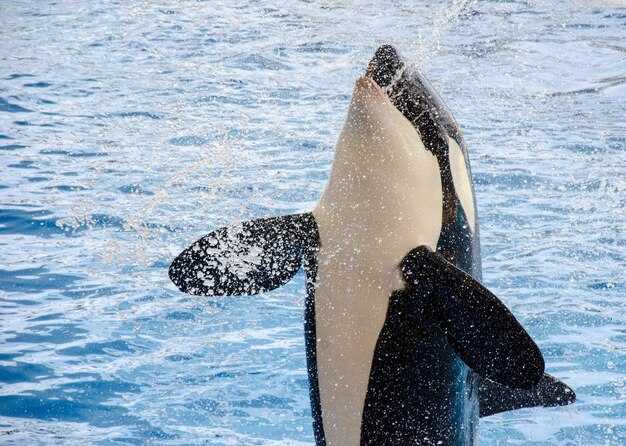
Pidä vähintään 450 metrin (1 500 jalan) etäisyys jokaiseen Pohjois-Atlantin oikeaan valaaseen. Jos valas nousee pintaan tämän vyöhykkeen sisällä, hidusta alustasi tyhjäkäyntinopeuteen tai käännä varovasti poispäin. Älä lähesty minimietäisyyttä lähemmäksi; vasikat tarvitsevat lisätilaa. Rannalla olevien tarkkailijoiden tulee käyttää merkittyjä tarkkailualueita; pysy esteiden takana ja vältä rajoitettuja dynejä tai elinympäristöjä. Flaglerin ja muiden talvisissa keskuksissa ilmoitetut säännöt voivat vaihdella kohteittain; noudata paikallisia opasteita ja ohjeita. Koko kauden ajan suunnittele vierailut lisensoidun oppaan tai paikallisen suojeluyhdistyksen kanssa varmistaaksesi, että reitit välttävät vilkasvaihe alueita. Yksittäisen näköhavainnon takaa-ajo voi lisätä häiriötä; odota sen sijaan rauhallista ja selkeää hetkeä. Jos kohtaat valaan odotettua lähemmältä, vähennä nopeutta ja anna eläimelle tilaa nousta pintaan. Pidä tasainen linjaus veden kanssa ja vältä valaan kulkureitin estämistä.
Veneilijöille: laske vauhti tyhjäkäynnille aina, kun valaat ovat lähellä; älä seuraa tai ymärry valasta. Älä ui kohti valasta missään olosuhteissa. Kun näkyvyys muuttuu tai tuuli vaihtuu, odota valaiden liikkuvan; säädä kurssia hitaasti vaikutuksen minimoimiseksi. Jos valas siirtyy matalampaan tai syvempään veteen, kunnioita sen valintaa ja pidä etäisyyttä. Tarkista aina havainnot vastuullisilta näköalapaikoilta, ja muista, että valas valitsee parhaan reitin omalla turvallisuudellaan.
Eettiset vuorovaikutukset ja turvallisuus
Kunnioita vieraita ja yksityisiä toimijoita pitämällä melu alhaisena ja noudattamalla yhtenäistä, koordinoitua suunnitelmaa. Jos liityt yksityiseen ryhmään tai opastetulle kierrokselle, sovi toimijan kanssa päällekkäisten reittien välttämiseksi. Älä käytä valoja, jotka on suunnattu valaisiin; jos turvallisuussyistä tarvitaan valoa, käytä valaistuja laitteita ja osoita ne poispäin villieläimistä vähentääksesi häikäisyä. Älä koskaan ui valaan suuntaan; pidä etäisyyttä, kun etsit näköhavaintoja. Jos kohtaat valaan odottamattoman lähellä, pysähdy, taustaa hitaasti ja anna eläimen nousta pintaan esteettä. Vierailujen välillä varusteet on desinfioitava ja kädet on pestävä ennen laitteiden käsittelyä. Talvikuukausien ja maaliskuun aikana valaiden aktiivisuus voi lisääntyä rannikon lähellä; ole kärsivällinen ja osallistu lisensoituihin kierroksiin, jotka korostavat vastuullista tarkkailua. Vierailijoilla, vieraille ja yhdistyksen jäsenillä on parempi kokemus, kun kaikki noudattavat samoja etikettisääntöjä. Muista pysyä virallisilla alustoilla ja kunnioita rajoitettuja alueita sekä valaiden että katselukokemuksen suojelemiseksi. Maskit voivat olla tarpeen ruuhkaisilla satamissa tai sisätiloissa; noudata paikallisia ohjeita riskin minimoimiseksi vierailujen aikana.