


 Suomi
Suomi  English (UK)
  Русский
  العربية
  日本語
日本語  한국어
한국어  Magyar
  Türkçe
  Español
  Čeština
  Svenska
  Português
  Ελληνικά
  Nederlands
  Română
  Italiano
  Français
  Polski
  Українська
  Deutsch
  简体中文
简体中文  Slovenčina
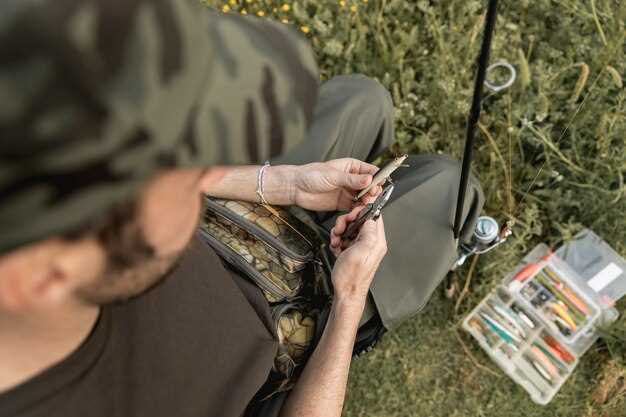
For outdoor enthusiasts seeking the perfect adventure, combining hunting and fishing can be a fantastic way to immerse yourself in nature. This guide aims to provide you with an incredible array of tips and techniques that cater specifically to your needs, whether you’re a seasoned pro or a novice looking to explore the waters beyond the common fishing spots. From the serene lakes of Chilmark to the bustling waves of southern surfing locations, opportunities abound to connect with the outdoors.
In this guide, we will dive deep into the essential gear needed for a successful trip, ensuring that you’re well-equipped to deal with everything from the thrilling migrations of woodcock to the exciting potential of catching black shark. We’ll cover everything from freshwater ponds to motor boating on expansive waters, guaranteeing you have access to the best locations year-round. Careful planning and understanding of specific techniques can elevate your experience while celebrating the joy of nature.
We’ll also explore rental options available from trusted guides who know the area inside and out. Whether your goal is birding with Audubon guides or taking part in small-group fishing parties led by experienced professionals, our listings include everything you need for your next trip. Keep in mind that prices may vary, but the satisfaction of a perfect catch–or a quiet day spent in a protected sanctuary–makes it all worthwhile.
Hunting Strategies for Success
Successful hunting requires a strategic approach, ensuring that preparations are made before setting out on your adventure. A thorough understanding of the environment and wildlife behavior can significantly affect the outcome of your hunt. Here are some effective strategies that can lead to success:
1. Scout Your Area: Before hunting, take the time to explore nearby spots. Identify trails, feeding areas, and potential refuges where animals are likely to be found. Consider utilizing topwaterlodge.com for guidance on great hunting locations.
2. Tunne vuodenajat: Timing is crucial. Some game is more active during certain months, such as May to September for migratory birds or early fall for deer. Being aware of the seasons can help you plan your trip effectively.
3. Use Quality Gear: Invest in quality gear to enhance your hunting experience. Whether it’s a reliable firearm, a comfortable kayak for potential waterways, or appropriate clothing for the weather conditions, having the right equipment ensures you are well-prepared.
4. Employ Hunting Techniques: Different techniques can be employed based on the game you are pursuing. For instance, while trolling for fish, utilize a combination of lures and bait to attract different species. In hunting, techniques like still hunting and tracking can be beneficial in achieving your limits.
5. Have a Buddy System: Hunting with partners can increase safety and offer opportunities for shared experiences. Make sure to take turns playing the role of the captain; this way, everyone shares in the success. Plus, having a friend nearby can add to the excitement and enjoyment of the day.
6. Trust Your Guides: If you choose to hire a private guide, ensure they are verified and have experience in the area you plan to hunt. They can provide invaluable insights and tips tailored to local wildlife behaviors.
| Strategy | Description |
|---|---|
| Scout Your Area | Explore the terrain and identify game trails and feeding areas. |
| Tunne vuodenajat | Be aware of the times when different species are most active. |
| Use Quality Gear | Invest in reliable equipment that suits your hunting conditions. |
| Employ Hunting Techniques | Adapt your method based on the game type and environment. |
| Have a Buddy System | Hunt with partners for safety and shared experiences. |
| Trust Your Guides | Hire experienced guides for local knowledge and tips. |
When preparing for a hunting trip, always remember to celebrate your successes, whether big or small. The joy of the experience is what truly matters, and with effective strategies in place, you can enhance your chances of bringing back a prized catch. Whether you are pursuing alligators in Louisiana or bird hunting on the cliffs of Croatia, understanding your environment and the animals within it can lead to a productive and fulfilling experience.
Choosing the Right Hunting Location
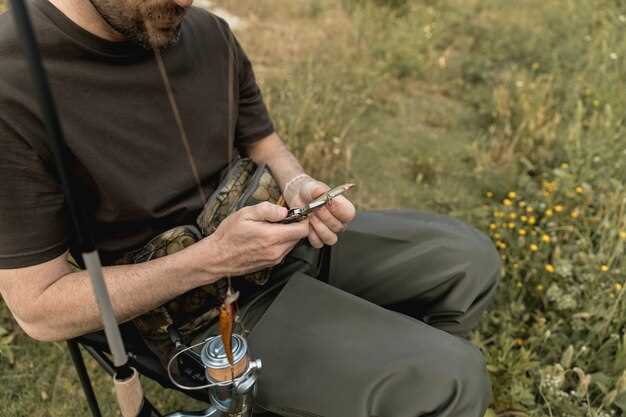
Finding the perfect hunting location can significantly enhance your outdoor experience. Here are crucial factors to consider when choosing where to hunt:
- Saavutettavuus: Ensure the location is accessible for you and your group. Consider parking facilities and the distance to walk from the parking area to the hunting grounds.
- Types of Terrain: Identify the types of terrain available, such as coastal bluffs, ponds, or parks. Different terrains attract various wildlife, which can impact your success.
- Licensing and Regulations: Familiarize yourself with local regulations, including necessary licenses. Respect the rules, which help maintain the balance of ecosystems.
- Wildlife Habitats: Research common wildlife migrations and habitats. Locations like Lappeenranta or other areas known for diverse fauna can be incredible for hunting and angling.
- Guided Trips: If you’re less experienced, consider booking a small-group guided trip. Knowledgeable guides can share insights and lead you to fruitful locations.
Additionally, think about the time of year you’re planning to hunt. Summer migrations might draw in specific birds, while other seasons provide different opportunities. Always look for areas where your target species are known to thrive.
Using local resources like staff at marinas or outdoor shops can provide helpful recommendations on where to find the best spots for your hunting trips. They often have insights into recent wildlife activity and can assist with outfitters and boats if needed.
Lastly, consider comfort and safety. Look for locations with amenities such as restrooms and places to rest after a long day. Full-day trips can wear you out; having these facilities can make your experience a lot more enjoyable.
By keeping these factors in mind, you can ensure your hunting adventure is wonderful and successful, ultimately enhancing your passion for outdoor sports.
Understanding Animal Behavior Patterns
When it comes to hunting and fishing, understanding animal behavior patterns is crucial for success. Different species exhibit unique behaviors depending on their environment, food sources, and seasons. For instance, fish like snapper ja drum often engage in specific feeding rituals, which can be observed by keen anglers during different times of the day.
In the west, various locations offer rich fishing experiences, particularly in areas with distinct marsh habitats. These areas are typically teeming with life and become hotspots for both birding and fishing. Additionally, understanding the influence of winds can enhance your experience. For example, wind direction can impact fish feeding patterns and can also affect bird migrations during certain months like May to September.
Successful hunters and fishers often rely on guides, which provide seamless transitions between different outdoor activities. Consider booking a full-day trip with a captain who knows the ins and outs of specific fishing spots, such as the rugged bluffs along the coast of Bulgaria or the serene ponds within a nature park that stands out for boating ja surfing.
Each animal, whether it’s a shark or a bird, interacts with its environment in a kind of dance where they exhibit predictable behaviors based on food availability, predation, and breeding seasons. By understanding these patterns, you can better plan your trips, whether for trolling in the sea or melonta through a serene vineyard area. Depending on the types of services offered, you may find additional opportunities like overnight rentals for those who wish to extend their outdoor adventures.
In summary, by visiting key locations and utilizing local guides, you can better comprehend the intricate behavior of wildlife. This knowledge will not only increase your chances of success but can also enrich your experiences in nature, turning every excursion into a memorable adventure.
Essential Gear for Various Hunting Types
When preparing for a hunting trip, it’s crucial to have the right gear customized for the type of hunting you plan to engage in. Here’s a detailed guide to the essential equipment needed for various hunting types.
-
Bird Hunting:
- Shotgun: A reliable shotgun is essential for bird hunting, particularly models that allow for swift handling.
- Decoys: To attract your prey, include realistic bird decoys that mimic the species you’re targeting.
- Camouflage Gear: Wearing camouflage clothing helps blend into the environment and increases your chances of a successful hunt.
- Licenses and Permits: Ensure you have the proper licenses, especially when hunting in specific locations like Edgartown or Bulgarian regions such as Burgas.
-
Big Game Hunting:
- Rifle: A high-quality rifle with a good scope is necessary for clear visibility and accuracy when hunting larger animals.
- High-Quality Binoculars: These are vital for spotting animals from a distance.
- Backpack: A durable backpack to carry gear and any equipment, particularly when traversing areas like the West or the Atchafalaya Basin.
- First Aid Kit: Always include a first aid kit tailored to your specific needs, ensuring safety during your trip.
-
Waterfowl Hunting:
- Watercraft: Depending on your location, such as Lappeenranta or Cyprus, having a reliable watercraft is essential for navigating waters.
- Trolling Motor: This discreet mode of transport helps you approach hunting spots quietly.
- Wet Weather Gear: Stay dry with waterproof clothing and gear.
- Waders: Waterproof waders are important for entering water when retrieving downed birds.
-
Surf Fishing:
- Fishing Rod and Reel: A sturdy setup is essential for tackling the unique challenges of surf fishing.
- Tackle Box: Include lures and tackle specific for the type of fish you aim to catch, especially in sandy beaches.
- Cooler: Keep your catch fresh with a good-quality cooler.
- Sun Protection: Protect yourself from the sun’s rays with sunscreen and a wide-brimmed hat.
-
Kayaking and Hunting:
- Kayak: Renting or owning a kayak suitable for your needs, particularly in tranquil ponds or protected areas, is vital.
- Paddles: Choose lightweight paddles for ease of maneuvering.
- Safety Gear: Always wear a life jacket and have safety equipment at hand.
- Fishing Licenses: Ensure you have obtained fishing permits when required, as local regulations may vary.
Remember, your gear should fit the environmental conditions and the type of prey you’re targeting. By ensuring you have the proper equipment, you enhance your chances of a successful hunting trip while also contributing to a sustainable environment for these activities.
For more information, visit topwaterlodge.com for resources on gear and guides in various locations. Thank you for considering the responsible and enjoyable practice of hunting!
Safety Measures While Hunting
When engaging in hunting activities, it’s imperative to prioritize safety to ensure a secure and enjoyable experience for enthusiasts of all ages. Preparation before heading out is key, including checking your hunting license and understanding the specific regulations of the area you’ll be exploring, such as parks and coastal regions.
The size of the area you plan to hunt can greatly influence safety measures. For vast expanses, such as the Atchafalaya Basin or marshes spanning millions of acres, consider familiarizing yourself with the terrains, including the dunes and bluffs that may pose visibility challenges. This knowledge is essential for maintaining a safe distance from potential hazards while still enjoying the wonderful sights.
Before you set out for your full-day or multi-day trips, ensure you have the necessary gear, including proper anchors for boats if you opt for freshwater locations. In addition, it’s helpful to investigate common locations for hunting and fishing, such as Chilmark or Burgas, to determine accessibility and parking facilities.
Employing sound shooting practices, keeping your firearm pointed in a safe direction, and wearing appropriate clothing can greatly reduce the risk of accidents. It’s also vital to communicate with others in your party, sharing your specific plans and locations, and using tools like maps or GPS for navigation. Remember to check the weather forecast and be prepared for sudden changes, particularly in coastal areas where conditions can shift rapidly.
For added safety, consider booking guided tours with experienced professionals who understand the local wildlife migrations and behaviors. This not only enhances the hunting experience but also significantly reduces potential risks. While engaging in other activities, such as recreational watersports or angling, maintaining awareness of your surroundings can prevent unexpected incidents.
Finally, always ensure your equipment is in optimal condition. Regularly check your gear, from hunting rifles to fishing rods, to confirm everything is functioning correctly before you head out. Whether you’re renting equipment or using your own, detailed listings of your inventory can be helpful in order to track what you need for a successful outing.
Fishing Techniques for Every Angler
The incredible world of fishing offers a variety of techniques that cater to both novice and seasoned anglers alike. Depending on the size of the fish and the environment, different methods can yield varying results. Whether you are exploring the dunes of Louisiana or the calm waters of Edgartown, understanding these techniques is essential for success.
Topwater Fishing: This technique is common in shallow waters where you can find fish actively feeding near the surface. Using lures that create surface disturbances, anglers can attract species such as bass and pike. It’s best to fish during dawn or dusk when fish are most active. For families, this can be an exciting way to introduce kids to the joys of angling.
Fly Fishing: This technique involves casting a lightweight lure, known as a fly, using specialized gear. It’s particularly popular in areas like the British countryside or the serene waters of Katama. Anglers can enjoy a seamless experience while appreciating local wildlife, ensuring both respect for nature and effective fishing.
Bottom Fishing: For anglers who want to target larger species, this method involves dropping baited hooks to the bottom of the water body. This is effective in deeper waters, especially where fish congregate near structures like reefs or wrecks. It’s essential to secure your gear and ensure safety while melonta out to these spots.
Ice Fishing: In colder regions, this technique allows anglers to fish through holes cut in ice. It requires special equipment but can lead to a rewarding experience during the winter months. Techniques vary depending on the local environment, and research into seasonal patterns is beneficial.
Further Techniques: Techniques such as trolling or jigging can also be found in many recreational fishing books. Topwaterlodge.com offers resources for anglers looking to enhance their skills and provides valuable insights into different fishing spot accessibility across various regions, including Cypres ja Panama.
No matter the technique chosen, the most important aspect is to have an enjoyable experience while engaging in outdoor activities. Audubon societies across the globe encourage families to participate in fishing as a way to connect with nature and learn about the ecosystems that surround them. Armed with the right knowledge and gear, every angler can find success, whether it’s a casual afternoon at a local lake or a more ambitious expedition into the wild.