


 Suomi
Suomi  English (UK)
  Русский
  العربية
  日本語
日本語  한국어
한국어  Magyar
  Türkçe
  Español
  Čeština
  Svenska
  Português
  Ελληνικά
  Nederlands
  Română
  Italiano
  Français
  Polski
  Українська
  Deutsch
  简体中文
简体中文  Slovenčina
  Types of Boat Covers – How to Choose the Right Fit for Every Vessel">

Choose a tailored cover that matches your boat’s profile to prevent sagging and protect the interior for the long-term commitment. A precise fit reduces wind stress, keeps cushions in the original finish, and yields better water shedding. When you measure, keep in mind length overall, beam, freeboard, cockpit layout, and engine hatch geometry, then select a fabric that is resistant to UV, salt spray, and mildew.
There are several common types for different vessels: full-boat covers that shield the entire profile, cockpit covers for open boats, bow covers for spray protection, and transom covers for stern areas. For trailerable boats, choose lighter-weight fabrics and secure edges with snaps or straps; for moored boats, a heavier fabric and reinforced seams resist wind. When you’re looking for a fit, favor a tailored shape that aligns with rails, cleats, and hardware to reduce movement and wear.
Material choice matters: pick marine-grade fabrics with a dense weave and high resistance to sun, moisture, and salt. A breathable layer helps prevent condensation, and a tight weave tends to resist tearing. For storm-ready use, select weather-sealed seams and edge protectors to extend the life of the cover and preserve the finish.
Fit and securing methods make the difference between a cover that lasts and one doesnt. Use snaps, adjustable straps, and tight hems to maintain a snug profile. Before you buy, check that the design accommodates hardware such as leaning posts, antennas, and swim platforms; a cover that doesnt fit around these features will rub, crack, or sag.
Maintenance matters: regularly inspect the cover for signs of wear, tears, or fabric thinning; replace worn panels before leaks form. weve learned that storing covers dry and out of direct sun preserves color and flexibility. For a middle-ground option, pick a fabric with moderate weight that resists fading yet remains flexible in cold weather, reducing stiffness and making it easier to achieve a good finish each season.
A clear choice, record measurements in inches and compare them to a size chart; if you’re between sizes, go with the larger option and rely on a tailored cut to avoid movement. If you own a floating deck or pontoon, ensure the cover has drainage features and a slight bow to promote runoff; this creates less standing water and extends the life of the fabric.
Boat Covers: Types, Fit, and Damage Checks
Choose a zippered vinyl cover with a snug, tailor-made fit for your boat, and add a wind strap to resist flapping during storms. This setup protects rails, console, and decks without rubbing and loosening in gusts.
Fit matters most. Measure length from bow to stern, note the width at the rails, and map any protrusions such as cleats or grab handles. For british boats with low freeboard, pick a cover labeled for a precise fit and trim to the exact length so that the corners stay taut rather than sagging. These steps meet needs for a secure, long-lasting fit that saves you from chasing adjustments after every trip.
Materials offer different balances. Vinyl provides waterproofing and lasting resistance, while marine-grade polyester resists fading and dries faster after rain. For long trips in sun, choose UV-stabilized fabric that keeps color and strength. If you have a console or rails, a form-fitting design that hugs the console and rails reduces movement and noise, giving you a great, quiet ride.
Damage checks keep costs down. After each season or a long voyage, inspect seams for fray, zipper tracks for kinks, and buckles for wear. Look for soft spots that indicate water intrusion or fabric breakdown; address these fast to avoid a bigger break later. Crawling moisture in seams can signal hidden damage, so run a quick visual and a smooth test of the zipper to catch issues before they become costly repairs.
Maintenance and care. Rinse with fresh water, then soap and a soft brush to remove salt and grime. Avoid harsh cleaners or bleach that can deteriorate fiber; dry the cover completely before storage to save its life. Store in a cool, shaded area to keep color from fading and stitching from cracking. This adds to a unique, long-lasting cover and reminds you to mind the fabric’s flexibility rather than letting it stiffen over time.
| Tyyppi | Fit Tips | Pros | Huolehdi |
|---|---|---|---|
| Zippered vinyl cover | Snug around console and rails; include straps to resist wind | Ultimate water resistance; great durability | Soap and water; air dry to preserve elasticity |
| Elasticated marine-poly cover | Stretch fabric for easy install; space around rails | Lightweight; good breathability | Rinse after use; occasional fabric-safe cleaner |
| Custom-tailored marine fabric | Measured LOA and beam; trim to length | Unique fit for odd hulls; reduces movement | Clean gently; avoid bleach |
| British-market universal | Designed for british boats with low freeboard | Value option; widely available | Verify length and secure with straps |
These options let you choose the ultimate cover that fits your vessel’s needs today. Commit to regular damage checks, and you give your craft reliable protection that withstands crawling weather, long journeys, and routine use while saving time and money in the process.
Measure the Hull: Step-by-Step Size and Fit Checklist
Step 1: Gather tools and set a baseline. Use a quality, flexible tape measure (3 m–6 m), a lightweight notebook, and a water-repellent marker. Check dock conditions and record details for tomorrowour reference, especially when planning long-term storage or weekend maintenance.
Step 2: Measure hull length along the waterline. On calm water, place the start of the tape at the bow tip, run it along the gunwale to the stern tip, following the waterline. Record length along the waterline (LWL). For many vessels, LWL is the best guide to the cover length; add 2–3 inches (5–8 cm) for tolerance so the cover holds without binding.
Step 3: Record widest beam and deck clearance. Measure the beam at the hull’s widest point, typically amidships, and note the distance between the widest points of the hull. Add 2–4 inches (5–10 cm) to include under-rails clearance and any hardware. This helps you choose a cover with sufficient width so no edge chafes or flapping occurs in wind.
Step 4: Check freeboard and vertical clearance. Measure freeboard at bow, midships, and stern by placing the tape vertically from waterline to the highest point of hull near those stations. Record the maximum height; add 6–12 inches (15–30 cm) for a cover that drapes well and can hold rain without sagging. Note under-deck protrusions or fittings that affect the cover fit, such as cleats, rails, or a folded-down bimini.
Step 5: Note hull curvature and station spacing. Take readings at three or more stations across the hull (bow, midship, stern). If the hull widens quickly near the bow or stern, plan a slightly wider cover in those zones. Write down the widest measurement and the station location to guide how the cover will cradle the hull, avoiding tight spots that cause wear.
Step 6: Account for hardware, add-ons, and overhangs. Include rub rails, outboard brackets, swim platforms, and other hardware in your length, width, and height planning. If you have an overhang, measure its projection and include extra length. This step helps you avoid a cover that sits too tight or cannot reach the stern corners.
Step 7: Translate measurements into a size plan. For a practical fit, use these rules: cover length = waterline length + 6–12 inches (15–30 cm) to allow forward and aft overhang; cover width = widest beam + 3–6 inches (7–15 cm) for edge clearance; cover height = max freeboard + 6–12 inches (15–30 cm) for a snug but easy-to-remove fit. These concepts help you anticipate how the fabric sits on the hull, avoiding tight spots.
Step 8: Pick the fabric and style for long-term use. Choose water-repellent, breathable fabric to shed rain while allowing moisture to escape, reducing mold risk. For weekend storage or long-term needs, lightweight options that resist UV and abrasion stay pliable in cool mornings. Seams and hems hold shape, and breathable fabrics help the cover hold its fit, while avoiding unnecessary weight that can accelerate wear at tie points.
Step 9: Final check and documentation. Do a light test fit on the dock; edges sit under rails, straps reach anchor points, and corners stay smooth with a breeze. If something binds, revise the margin by 1–2 inches and recheck. If you arent sure about the margin, adjust again and re-test. Also capture photos for tomorrowour reference and log any adjustments needed for long-term storage or the next weekend.
Fabric Options: Canvas, Polyester, PVC, and Their Uses
For most boat covers, marine-grade PVC-coated polyester is the best match. It delivers rainproof protection, easy cleaning, and a long total life, making it a solid investment for many owners. When choosing length and fit, rely on a dealer or skilled craftsman to ensure a snug wrap that guards hardware and cockpit space. This kind fabric keeps weight manageable and fits a broad range of boat lengths.
PVC-coated fabrics excel in humid conditions, resisting water intrusion and salt spray. They suppress mold growth and limit condensation buildup when used with breathable venting and proper underlayers. Their abrasion resistance and straightforward cleaning help keep costs down, supporting a longer total lifespan with minimal upkeep.
Polyester with a marine-grade coating offers strong UV resistance, color stability, and lighter weight. It tends to dry quickly after rain and is easier to handle during installation, a practical advantage for many shopping trips or dealer visits. When kept in good condition, these fabrics prolong the time between replacements and remain a reliable option for every kind of craft.
Other fabrics include vinyl-backed blends and specialized hybrids designed for high-heat or tropical environments. These choices can be cheaper up front but may need more frequent care to prevent cracking or stiffness in cold weather. Always check marine-grade labels, confirm warranty terms, and compare total cost of ownership before committing, because an informed choice saves money over multiple seasons.
Maintenance tips: keep condensation under control by keeping covers dry and vented; remove bird droppings promptly to avoid staining and damage. Store the boat properly and keep tracks and seams clean to prolong fabric life. These habits help every purchase stay on budget and protect your investment.
Attachment Systems by Boat Type: Bungee Cords, Straps, and Hardware
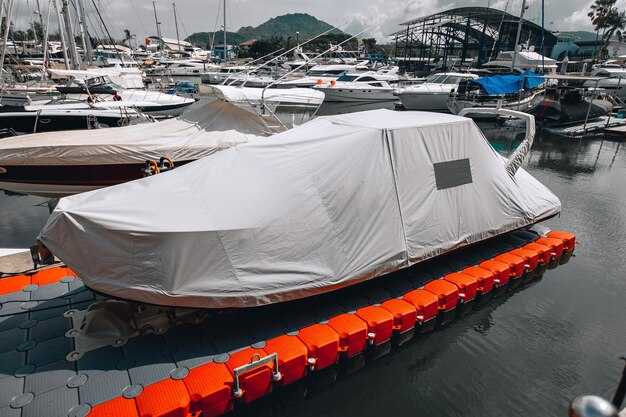
There, for trailerable boats, equip a three-part system: marine-grade hardware at reinforced anchor points, high-strength polyester straps, and a UV-stable bungee backup. This combination can give secure cover retention while resisting high winds, moisture, and debris, and it remains practical in typical marina spaces. This combination makes setup quick and repeatable, helping budget-conscious owners.
Benjihyppynarut Tarjoavat nopean asennuksen kevyen suojan takaamiseksi pienemmissä veneissä. Käytä vain UV-suojattuja, merikäyttöön tarkoitettuja köysiä, joissa on vahvistetut päät. Ne vaimentavat liikettä ja vähentävät kannen rasitusta; pidä ne loitolla terävistä reunoista ja äärimmäisestä kuumuudesta. Jos havaitset venymistä yli 20–25 %, vaihda ne, jotta vedenpitävyys säilyy ja kosteuden ja roskien tunkeutuminen minimoidaan.
Hihnat Tarjoa säädettävää, korkean jännityksen kiinnitystä suuremmille veneille. Käytä 1,5–2 tuuman levyisiä polyesterihihnoja, joissa on ruosteenkestävät soljet ja räikkä- tai nokkatyyppinen mekanismi. Ne kestävät kosteutta ja kulutusta paremmin kuin nylon, ja niiden ominaisuuksiin kuuluu helppo vapautus huoltoa varten. Hintatietoisille ostajille 2-tuumaiset polyesterihihnat vahvistetuilla ompeleilla tarjoavat parhaan tasapainon kustannusten ja luotettavuuden välillä; tämä on vankka sijoitus useaksi kaudeksi.
Hardware Sisältää ruostumattomasta teräksestä valmistetut renkaat, pikalukituskoukut ja vahvistetut kiinnityskohdat. Valitse merikäyttöön tarkoitetut liittimet, jotka kestävät suolaa, kosteutta ja lämpötilan vaihteluita. Kuormituspisteiden vahvistaminen estää taipumista ja vähentää suojien ja tuuletusaukkojen kulumista. Ammattitaitoiset asentajat arvostavat laitteistoja, jotka nopeuttavat asennusta lujuudesta tinkimättä. Paikalliset toimittajat ja hyvämaineiset merkit (mukaan lukien tomorrowour line) tarjoavat testattuja tuotteita ja palveluita, joiden avulla voit pitää asennuksesi siistinä ja luotettavana.
Venetyypin ominaisuudet ovat tärkeitä: traileriveneissä nopea, näkyvä kiinnitys keula- ja peräsilmukoiden lähellä on suositeltavaa; purjeveneet ja pulpettiveneet hyötyvät lisävahvistuksesta mastonjalkojen ja roiskevesialueiden ympärillä; kumiveneet vaativat pehmeämpiä hihnoja puhkeamisen välttämiseksi sekä korroosionkestäviä kiinnittimiä. Käytä tuuletusaukollisella suojapeitteitä kosteuden ja ilmanvaihdon hallintaan varastoinnin aikana, ja valitse järjestelmä, joka vastaa paikallista ilmastoa ja tyypillistä roskamäärää.
Huolto pitää järjestelmän vahvana: tarkasta korroosio, puhdista ja kuivaa osat, poista roskat hihnakouruista ja testaa kireys kuljetuksen jälkeen. Panostus asianmukaiseen varastointiin ja hoitoon maksaa itsensä takaisin tulevaisuudessa, pitäen veneet suojattuina ja suojapeitteet puhtaina sesongista toiseen.
Säänkestävyys: UV-suoja, vedenpitävyys ja kausittainen hoito
Valitse kevyt, patentoitu kangaspäällinen UV-estäjillä ja hengittävillä paneeleilla, joka estää auringon mutta päästää kosteuden haihtumaan.
Pitkiä veneilykausia varten valitse räätälöity suojapeite, joka istuu tiiviisti rungon päälle ja kiskojen ympärille, estäen auringonvalon pääsyn maalipinnalle ja vähentäen rasitusta palkissa. Hengittävien paneelien on todettu pitävän sisäilman liikkeessä ja hillitsevän kondensaatiota pinnalla samalla kun ne suojaavat knaapeja ja varusteita.
- UV-suoja: valitse suojapeite, jossa on patentoitu UV-suojakerros ja heijastava ulkopinta suojaamaan pintaa ja maalipintaa, sekä hengittävä sisäpinta, joka minimoi lämmön kertymistä.
- Sovitus ja sijoittelu: kohdista suojus keskilinjan kanssa välttääksesi liiallista rasitusta kiskojen ja avoimien reunojen lähellä, mikä vähentää repeytymisriskiä ja pidentää käyttöikää.
- Väri ja ilmanvaihto: valitse vaalea ulkoväri heijastamaan auringonvaloa; varmista ilmankierto altistuneiden alueiden ympärillä estämään homeen muodostumista sisäpuolella, takana ja varusteiden ympärillä.
Vedenpitävyyden ja pitkäaikaisen suojan saavuttaminen edellyttää harkittuja toimenpiteitä, jotka soveltuvat osaksi vuodenaikojen mukaista rutiinia. Noudata näitä vinkkejä saavuttaaksesi maksimaalisen suojan käyttömukavuudesta tinkimättä.
- Valmistelu: puhdista pinta miedolla saippuavedellä, huuhtele huolellisesti ja kuivaa täysin ennen suojan asentamista, erityisesti knaapien ja keskilinjan ympäriltä, joihin vesi yleensä kerääntyy.
- Saumat ja sulkimet: varmista, että saumat on kaksoisommeltu tai teipattu ja että reunat ovat vedenpitävät, jotta vesi ei pääse sisään. Tarkista kulumisen merkkejä takakulmista ja kiskojen ympäriltä jokaisen kauden jälkeen.
- Kiinnitys ja säilytys: varmista perävaunun johdinsarja ja kuormaliinat tasaisesti, vältä ylikiristämistä repeämisen estämiseksi ja säilytä suojus kuivassa paikassa, kun sitä ei käytetä, jotta sen joustavuus ja väri säilyvät.
Kausiluonteinen huoltorutiini auttaa ylläpitämään ulkonäköä ja suorituskykyä. Noudata näitä käytännön vinkkejä, jotta pidät erittäin hyvännäköiset varusteet ja pohjamaalin suojassa vuodenaikojen vaihtuessa.
- Kevättarkastus: tarkista pinta hankautumien varalta, testaa knaapien ja palkkiliitosten ympäristö, ja vaihda kuluneet osat; etsi haalistunutta maalia tai paljastunutta kangasta, joka vaatii huomiota.
- Kesän huolto: kohtalainen ulkopintojen puhdistus suolan ja lian poistamiseksi, jonka jälkeen saumojen tiivistysaineen uudelleen levitys paljaiden saumojen ympärille jatkuvan vedeneristyksen varmistamiseksi.
- Syksy ja talvi: poista roskat, puhdista huolellisesti ja anna suojan kuivua täysin ennen varastointia; harkitse hengittävää suojaa, joka sopii keskilinjalle ja on samalla tilaa säästävä perävaunuympäristössä.
Näiden ohjeiden noudattaminen auttaa välttämään vaurioita, pidentämään käyttöikää ja pitämään suojan uudenveroisena koko kauden ajan. Nämä rutiinit merkitsevät turvallisempaa ja helpommin hallittavaa suojaa veneelle, suojaten juuri sitä pintaa, johon luotat palatessasi rantaan.
Vahinkotarkastus: Tarkista kansien repeämät, haalistumat ja laitteiston kuluminen
Aloita käytännönläheisellä vaurioiden tarkastuksella jokaisen veneilykauden jälkeen.: etsi saumojen repeämiä, auringolle altistuneiden paneelien haalistumista ja kiinnityskohdissa tai vetoketjuissa olevien hihnojen kulumista. olemme havainneet, että löysä kangas ja purkautuvat ompeleet ovat merkki siitä, että paikkaus tai vaihto on tarpeen. omistajien, jotka kuljettavat aluksiaan trailereilla, tulisi tarkastaa trailerivarusteiden ympäriltä ja reunoilta, joissa hankausta esiintyy, pitäen silmällä löystyviä osia, jotka voivat pahentua ajan myötä.
Materiaalilla on väliä: vinyylipäällysteet hylkivät vettä ja hometta, mutta saattavat haalistua kirkkaassa auringonvalossa nopeammin; polyesterisekoitteet pysyvät pehmeämpinä pidempään ja kestävät kutistumista, mutta reunat voivat kulua kovassa käytössä. Etsi vahvistettuja saumoja ja kaksinkertaisia kerroksia tärkeimmissä rasituspisteissä; pehmeät paneelit tuuletusaukkojen ympärillä vähentävät hankausta ja pidentävät suojuksen käyttöikää.
Laitteiston kunto: advice: tarkista purjerenkaat, vetoketjut, soljet, hihnat ja kiinnikkeet; kiristä löystyneet osat ja vaihda syöpyneet osat välittömästi; tarkista vahvistettujen alueiden langat kohdista, joissa kiinnikkeet kulkevat reunojen läpi; pidä nämä osat ruosteettomina pesemällä ne altistuksen jälkeen suolalle.
Korjaus ja huolto: pieniä repeämiä varten, kiinnitä vahvistettu paikka sisäpuolelta tai käytä saumateippiä; haalistumisen varalta, harkitse vinyylin väriä suojaavaa käsittelyä; kun kulumisen merkkejä on laajalti, valtuutettu huolto tai täysi suojuksen vaihto varmistaa pitkäaikaisen suojan. Säännöllisistä tarkastuksista huolehtiminen tukee sitoutumistasi pitää varusteet huippukunnossa.
Ilmasto ja kustannukset: Kalifornian aurinko ja suolainen ilma nopeuttavat kulumista; pidä tarkastuksista kirjaa havaitaksesi kehityssuuntia. Riippumatta siitä, pidätkö alusta suolaisessa vai makeassa vedessä, hyvin istuva suojapeite hidastaa rappeutumista ja suojaa sijoitustasi. Jos joudut vaihtamaan, vertaile vinyyli- ja polyesterivaihtoehtoja; halvemmat valinnat voivat pettää nopeammin, kun taas paremmin vahvistettu vaihtoehto tarjoaa kestävän suojan ja vähentää kalliita korvauksia.