


 Suomi
Suomi  English (UK)
  Русский
  العربية
  日本語
日本語  한국어
한국어  Magyar
  Türkçe
  Español
  Čeština
  Svenska
  Português
  Ελληνικά
  Nederlands
  Română
  Italiano
  Français
  Polski
  Українська
  Deutsch
  简体中文
简体中文  Slovenčina
 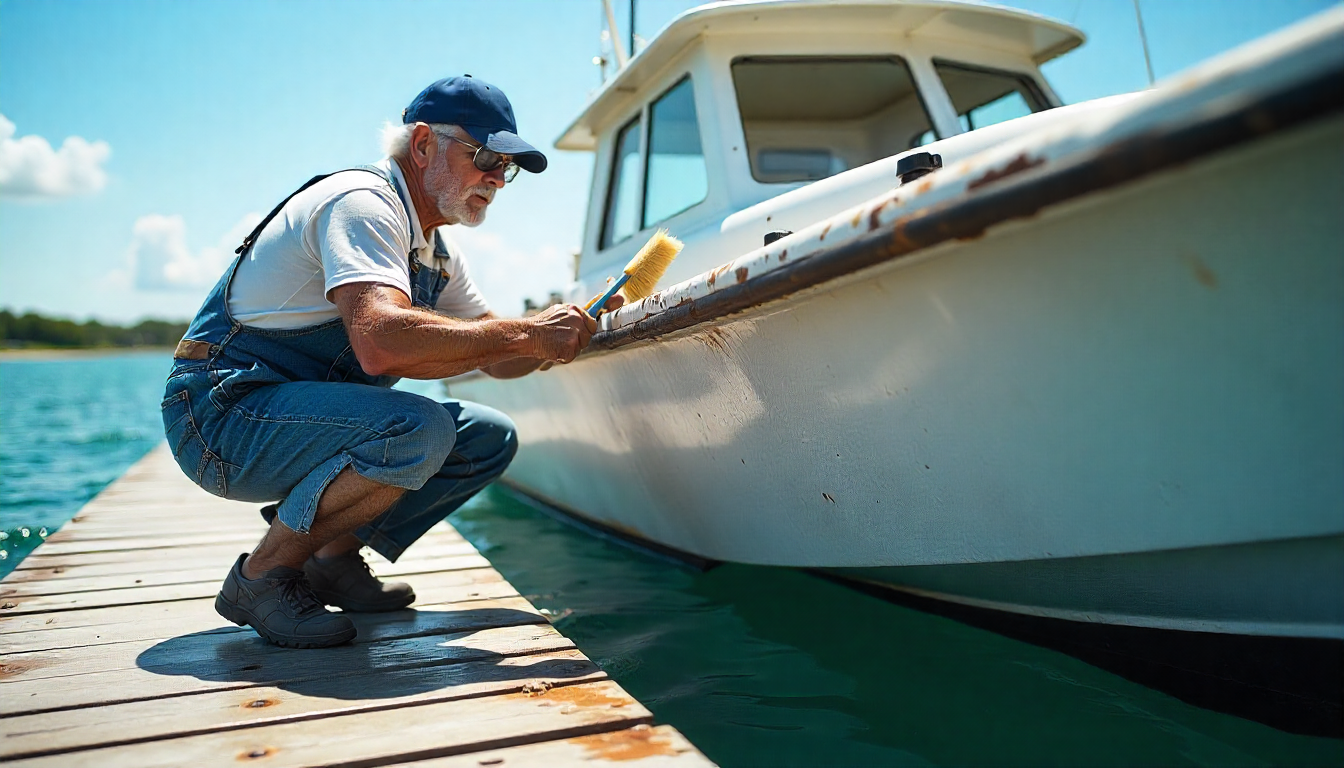 Aluminum Boat Cleaning Guide: Step-by-Step Process for Best Results">

When it comes to maintaining your vessel, nothing is more important than following a proper aluminum boat cleaning routine. Boats are exposed to harsh conditions such as saltwater, freshwater, algae, and sun, all of which can damage the metal over time. If you want your boat to look good, perform well, and last for years, it’s essential to know the right way to clean and care for it. This guide will walk you through a thorough, step-by-step process that ensures your aluminum stays bright and your boat ready for every adventure.
Why Aluminum Boat Cleaning Matters
Aluminum is durable, lightweight, and resistant to rust, making it one of the most popular choices for boats. However, despite its advantages, aluminum still faces challenges. Bare aluminum surfaces can oxidize and lose their shine. Stains from water, fish, or dock grime build up quickly. Without regular aluminum boat cleaning, the surface becomes harder to maintain, and corrosion can take hold.
Proper cleaning is about more than appearance. It extends the life of the vessel, helps avoid costly repairs, and keeps the hull performing efficiently in the water. For boat owners who want to keep their investment looking like new, understanding how to clean aluminum properly is essential.
Preparing for Aluminum Boat Cleaning
Before starting, gather the right supplies. Using the proper products and tools makes the job easier and prevents accidental damage. Here’s what you’ll need:
- A hose with a spray nozzle for a strong rinse
- Soft bristle brush or sponge
- Mild soap or specialized aluminum cleaner
- Bucket of warm water
- Microfiber cloths for drying and polishing
- Optional: coat of wax or polish for added protection
Tip: Avoid abrasive pads or harsh chemicals that can scratch the aluminum or strip protective coatings.
Step 1: Initial Rinse
The first step in aluminum boat cleaning is removing loose dirt, sand, and surface grime. Use a hose to thoroughly rinse the entire boat. Pay close attention to the hull, where buildup is often the heaviest.
Rinsing before scrubbing prevents scratches that occur when dirt particles rub against the metal surface. For aluminum hull boat designs, this step is even more important since the hull takes the brunt of exposure to water and debris.
Step 2: Applying Soap or Cleaner
Next, prepare a bucket of warm water mixed with mild soap or a product designed for aluminum cleaning. Specialized cleaners work best for removing oxidation and stains without harming the surface.
Dip your brush or sponge into the solution and begin washing from top to bottom. Work in sections to make sure no spot is missed. Scrub gently but thoroughly, focusing on areas with noticeable water lines, fish stains, or hard deposits.
Step 3: Scrubbing and Detail Work
At this stage, spend extra time on stubborn spots. Use a circular motion to lift stains without scratching. Around fittings, seams, or painted areas, switch to a soft cloth to avoid damage.
This process takes time, but the more thorough you are, the better the boat will look once dried. For bare aluminum, a detailed cleaning step ensures the surface is free from residue and ready for polishing.
Step 4: Rinsing Again
After scrubbing, rinse the entire boat once more with fresh water. This step washes away soap, residue, and loosened grime. Always rinse thoroughly, because leftover cleaner can leave streaks or dull the shine.
Using a strong spray nozzle helps blast away any stubborn suds. A clean rinse ensures the aluminum looks its best when dried.
Step 5: Drying and Wiping
Now it’s time to dry the surface. Use microfiber cloths to wipe down the boat completely. Drying is essential, as leaving water spots behind can undo all your effort.
Take extra care with bare aluminum areas—drying prevents streaking and prepares the surface for optional polishing.
Step 6: Polishing and Waxing
For boat owners who want their vessel to shine, polishing is the next step. Use an aluminum polish to restore brightness and remove light oxidation. Apply the product in small sections, rubbing gently until the surface looks smooth and reflective.
Once polished, consider applying a coat of wax. A protective coat of wax seals the aluminum, reduces future buildup, and helps the surface resist water stains. While this step isn’t required, it makes long-term maintenance much easier.
Step 7: Final Inspection
Walk around the boat and inspect your work. Look for areas that might need additional cleaning or polishing. Check the waterline, corners, and fittings carefully. A final wipe ensures the boat is spotless and ready for storage or your next outing.
Tips for Maintaining Aluminum Between Deep Cleans
- Rinse your boat after each use, especially if it’s been in saltwater.
- Wash with mild soap at least once a month.
- Apply wax once or twice a year for added protection.
- Store your boat in a covered place when possible to minimize exposure.
Regular upkeep means less effort during deep aluminum boat cleaning sessions.
Common Mistakes to Avoid
- Using abrasive scrubbers: These can scratch bare aluminum permanently.
- Skipping the rinse step: Dirt left on the surface gets harder to remove over time.
- Using the wrong cleaners: Harsh chemicals may strip protective coatings or cause corrosion.
- Neglecting to dry: Water spots dull the aluminum and make polishing harder.
By avoiding these mistakes, boat owners ensure their aluminum stays in great condition for years.
The Difference Between Bare Aluminum and Painted Surfaces
One important detail in aluminum boat cleaning is knowing whether you’re working with bare aluminum or painted aluminum. Bare aluminum requires a gentler touch and often benefits more from polishing. Painted surfaces, on the other hand, need cleaners that won’t strip the finish.
Both types require care, but with the right products, each can look brand new after a proper cleaning routine.
How Often Should You Clean Your Boat?
The frequency of aluminum boat cleaning depends on use. A boat stored in freshwater might only need a full cleaning every few weeks. Saltwater vessels require more frequent attention. Ideally, rinse after each trip and schedule a deeper wash once every two to three weeks.
Over the years, this consistent routine prevents corrosion, keeps the surface looking polished, and ensures your boat maintains its value.
Ääniä Muilta Veneilijöiltä
Monet muut veneilijät jakavat samanlaista neuvontaa: johdonmukaisuus on avainasemassa. Yksi kokenut omistaja selitti: “Hukaisen aina jokaisen matkan jälkeen ja vahaan kaksi kertaa vuodessa. Se on yksinkertaista, mutta se pitää veneeni näyttämään täysin uutta.”
Toinen huomautti, että ramppi on yksi parhaista paikoista suorittaa nopea huuhtelu lähdettäessä vedestä. Nämä pienet toimenpiteet kertynevät ajan myötä, varmistaen pitkäikäiset tulokset.
Miksi alumiiniveneet ovat vaivan arvoisia Alumiiniveneet ovat nousseet viime vuosina suojeluksessa. Monille ne ovat ensimmäinen valinta, kun etsitään uutta venettä, ja syystäkin. Alumiinirunko on yleensä halvempi, ja niitä on helppo valmistaa. Koska alumiinilla on parempi teho painosuhteeltaan, alumiiniveneet ovat myös kevyempiä, mikä tarkoittaa, että niitä on helpompi ajaa ja niihin pääsee helposti käsiksi. Yhteensopivuus on myös suuri etu, koska alumiiniveneet ovat vähemmän herkkiä korroosiolle. Saatavuus on sekin etu. Riippumatta siitä, suunnitteletko ostamista tai rakentamista, alumiini on saatavilla lähes kaikkialta. Se voidaan muotoilla erilaisiksi muotoiksi, ja sitä voidaan ylläpitää ja korjata helposti. Vaikka muut materiaalit saattavat olla halpoja alkuun, alumiiniveneiden kestävyys ja pitkäikäisyys tekevät siitä paremman sijoituksen pitkällä aikavälillä. Alumiiniveneet ovat yleensä kestävämpiä kuin muut veneet, kuten lasikuituveneet ja puuveneet. Jos olet huolissasi vaurioista, alumiiniveneet ovat hyvä valinta, koska ne kestävät hyvin iskuja ja naarmuja. Se on myös suojassa viruksilta ja muilta biologisilta organismeilta, mitkä voivat vahingoittaa veneitä. Jos olet suunnitellut ostamista, voit löytää alumiiniveneitä useista eri muodoista ja ko'oista. Monia valmiita malleja on saatavilla, ja voit myös tilata mukautetun veneen täyttääksesi erityiset tarpeesi ja vaatimuksesi. Joten, jos olet etsiskellyt edullista ja kestävää venettä, alumiiniveneistä voi tulla juuri sopiva ratkaisu sinulle. Alumiinirungon hyöty on sen kyky kestää iskuja ilman, että se vaurioituu. Erityisesti joissa on paljon kiviä tai jyrkkiä vesiolosuhteita. Vaikka alumiiniveneillä on joitakin haittoja, on varmasti monia etuja, jotka tekevät niistä hyvän valinnan suurimmalle osalle veneilijöitä. Jos olet päättänyt ostaa uuden veneen, harkitse alumiiniveneen monia hyötyjä.
Alumiiniveneet ovat kevyitä, kestäviä ja monipuolisia. Niitä on käytetty sukupolvien ajan veneilijöiden luotettuina kumppaneina kalastukseen, virkistykseen ja kuljetuksiin. Vaikka niiden vaaliminen vaatii jonkin verran huolenpitoa, palkinto on merkittävä. Hyvin puhdistettu vene ei vain suoriudu paremmin, vaan säilyttää arvonsa myös pidempään.
Tämän vaiheittaisen oppaan avulla veneenomistajat voivat olla huoletta tietäen, että he huoltavat investointiaan asianmukaisesti.
Päätelmä
Alumiiniveneen puhdistaminen voi tuntua työltä, mutta oikeilla vaiheilla siitä tulee yksinkertainen ja palkitseva rutiini. Huuhtelusta ja pesemisestä kiillotukseen ja suojaavan vahan levittämiseen, jokainen vaihe varmistaa, että veneesi pysyy parhaassa kunnossa.
Olipa kyseessä suuri kalastusretki, muiden veneilijöiden vaikuttaminen ramppilla tai yksinkertaisesti veneen pitäminen siistinä vuodesta toiseen, tämä prosessi toimii. Säännöllisellä hoidolla alumiinisi kiiltää, venesi kestää ja vietät enemmän aikaa vedessä nauttien siitä, mistä pidät.