


 Suomi
Suomi  English (UK)
  Русский
  العربية
  日本語
日本語  한국어
한국어  Magyar
  Türkçe
  Español
  Čeština
  Svenska
  Português
  Ελληνικά
  Nederlands
  Română
  Italiano
  Français
  Polski
  Українська
  Deutsch
  简体中文
简体中文  Slovenčina
 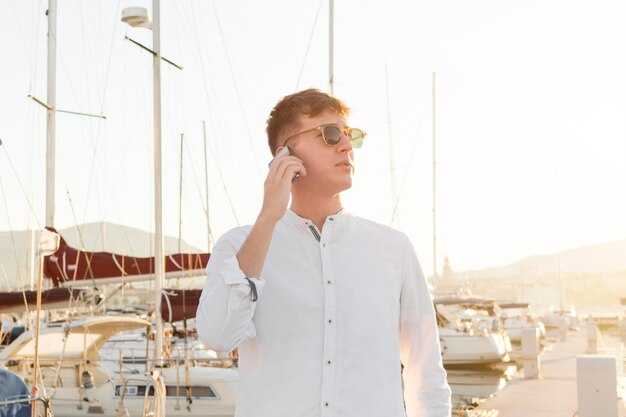 Top Yachting Clothing Brands – The Ultimate Guide for Sailors">

Aloita Baleaf-vedenpitävällä kuoritakilla, hengittävällä välikerroksella ja Tilley-hatulla rannikkopurjehdukselle. Tämä kolmikko pitää sinut kuivana ja joustavana ja valmiina tuulenpuuskien muutoksiin jahdilla. Purjehtijat, jotka seilaavat säännöllisesti, arvostavat avointa kuorta, joka yhdistyy kevyeen kerrokseen, jolloin voit säätää nopeasti lämpötilojen vaihdellessa kannella oleskelun aikana. Onneksi tämä yhdistelmä auttaa sinua tuntemaan olosi turvalliseksi tuulenpuuskissa ja roiskeissa, lähes ilman ylimääräistä paksuutta.
Nykyaikaisissa kuorissa käytetään kolmikerrosrakennetta, teipattuja saumoja ja kestävää DWR-viimeistelyä. Sillä open-water Valitse päiväretkille Target-takkeja, joiden vesipilari on 20 000 mm ja hengittävyys 10 000–20 000 g/m2/24h. Rannikkohyppelyyn ja viimeisen mailin tehtäviin kannattaa valita suorempia leikkauksia, jotta alle mahtuu kerroksia, sekä isompia taskuja hanskoille, köysikeloille ja puhelinkotelolle, ja leikkauksia, jotka vapauttavat kätesi vinssausta varten.
Harkittavia merkkejä ovat esimerkiksi baleaf, sekä Helly Hansen, Musto, Gill ja Tilley-asusteet aurinkosuojaan. Nämä vaihtoehdot saivat hyvät pisteet luotettavasta suojasta roiskeita vastaan, vaikka paino ja paksuus voivatkin nousta. Etsi vahvistettuja olkapäitä ja kyynärpäitä, tuplamansetteja ja vetoketjullisia helmoja, jotka voit avata lennossa. Valitse varusteita, joissa on avoimet taskut ja stretch-paneelit, jotka eivät rajoita liikkumistasi ruorissa.
Jalkineet ja käsineet täydentävät varustuksen. Valitse liukastumattomat kansikengät lamellipohjilla tai rannikkovesilenkkarit sekä nopeasti kuivuvat sukat kosteille aamuille. Lisää vedenpitävät käsineet köysien käsittelyyn roiskeisessa säässä ja kevyt kauluri viileille aamuille rannikkoreiteillä. Jos olet kävellyt venesatamasta vesillelaskupaikalle, huomaat, kuinka taskujen ja hihansuiden muotoilu tekee kaikesta ulottuvilla ilman tasapainon menettämistä.
Näillä vaihtoehdoilla katat avomerireissujen, viikonloppujen rannikkopurjehduksien ja pidempien matkojen etsijät. Rakenna vaatekaappi modulaarisista osista, jotka kerrostuvat hyvin, tuulettavat lämpöä auringon noustessa ja pysyvät mukavina aamunkoitosta viimeiseen valoon kannella. Vaikka meret saattavat vaihtua nopeasti, kellot soivat laiturilta lähtiessäsi muistuttaen sinua purjehtimaan keskittyneesti.
Valitse paras aurinkosuoja: UPF 50+ suoja, hengittävät materiaalit ja auringon häikäisyn esto
Valitse UPF 50+ aurinkosuoja huppari, jossa on hengittävä, kosteutta siirtävä kangas ja sisäänrakennettu häikäisysuoja. Suojan perusta on UPF-luokitus, joka estää noin 98 % UVA- ja UVB-säteistä. Hyvin istuva, säädettävä huppu ja pitkät hihat täydentävät suojan, kun vesi roiskuu kasvoille tai auringon häikäisy kasvaa horisontissa. Säännöllinen suojautuminen alentaa ihosyövän riskiä.
Etsi hengittäviä materiaaleja, kuten kevyitä polysekoitteita, jotka kuivuvat nopeasti ja pitävät viileänä. Coolibarin UPF 50+ -kankaat ovat hyvä perusta. Valitse tuotteita, joissa on kainaloventilaatio tai verkkopaneelit parantamaan ilmankiertoa, ja vältä raskaita materiaaleja, jotka sitovat lämpöä. Testit osoittavat, että oikein tuuletetut hupparit pitävät pintalämpötilat alhaisempina kuin tuulettamattomat puuvillapaidat auringossa, mikä auttaa pysymään virkeänä. Varjostava huppu tai visiiri voi täydentää asua vähentämällä häikäisyä ilman lisäpainoa. Tämä viimeistely auttaa myös hylkimään vesisuihketta, kun kansi on märkä.
Keskeiset ominaisuudet, jotka maksimoivat suojan
Valitse yksinkertainen ja turvallinen istuvuus: litteät saumat ehkäisevät hiertymistä, hupussa lippa suojaa silmiä ja hihat peittävät ranteet. Parhaat vaihtoehdot ovat peräisin Italiassa kehitetyistä innovatiivisista kankaista, joissa tehtaat keskittyvät kestäviin ja kevyisiin kudoksiin. Etsi malli, jossa on kestävä vettähylkivä viimeistely roiskeiden estämiseksi. Vaaleammat sävyt heijastavat enemmän aurinkoa ja pitävät lämmön alhaisempana, mikä auttaa tasapainottamaan näkyvyyttä ja mukavuutta kannella. Levitä aurinkovoidetta tarvittaessa paljaille alueille ja muista, että vaate vähentää haitallista UV-säteilyä, mutta ei korvaa aurinkovoidetta niskassa, korvissa ja käsissä.
Suositellut valinnat ja niiden käyttö kesän veneilyreissuilla
Valitse kesäksi UPF 50+ -huppari, jossa on tiivis, turvallinen istuvuus ja helppohoitoiset materiaalit. Jos haluat suojaa auringolta ilman paksuutta, valitse kevyempi versio, joka sopii hyvin aluskerroksen kanssa. Sombra-sävy auttaa vähentämään häikäisyä ja sopii hyvin yksinkertaisen lippalakin tai aurinkolasien kanssa. Lloydin kaltaiset suunnittelijat tuovat innovatiivisen pohjan purjehdusvaatteisiin harkituilla saumoilla ja käytännöllisillä kankailla. Italialaisten tehtaiden listatut vaihtoehdot tarjoavat kestävyyttä ja mukavuutta, kun taas Coolibar on edelleen luotettava perusvaihtoehto. Pidä vetoketju tai kiristysnyöri vyötäröllä tai helmassa tiivistämään tuulta vastaan. Huomaisit eron liikkuessasi keulasta perään tämän suojan ja vapauden yhdistelmän ansiosta pitkinä kesinä vesillä.
Kerrospukeutuminen ja sopivuus purjehdukseen: hupparit osana kerrospukeutumista, valjaiden kanssa ja liikkuvuuden huomioiminen
Aloita mukavalla, keskipainoisella hupparilla pohjakerroksena tuulenpitävän ja hengittävän kuorikerroksen alla. Kerrospukeutuminen pitää kehon lämpimänä auringon heijastuessa järveltä ja mahdollistaa silti täyden liikeradan siimaa käsiteltäessä.
Ergonominen saumat ja kapeneva leikkaus ovat tärkeitä, jotta voit käyttää valjaita päällä ilman puristamista. Etsi huppu, joka pysyy paikoillaan lippiksen alla, ja taskut, jotka on sijoitettu niin, etteivät ne tartu naruihin.
Ylimmän kerroksen yhteensopivuus: valitse kuoritakki, jossa on leveät hihanaukot ja vetoketjut, joiden avulla voit tuulettaa kääntämättä hupparia sivuttain. Varmista, että uloin kerros on hieman outside huppari, jonka avulla voit nopeasti kuoria kerroksia pois, jos tuuli yltyy.
Ilmanvaihto ja suojaus: viileinä aamuina lisää kevyempi ulompi kerros; kuumina päivinä tuuleta edestä ja takaa. Tavoitteena on ylläpitää suoja ilman, että... uhrautuminen liikkuvuutta; siististi säilytettävä huppu vähentää säätämistä tuulenpuuskissa.
Pesu ja hoito: matkojen jälkeen noudata ohjeita, huuhtele suihkeen jälkeen, pese samankaltaisten kankaiden kanssa ja varmista, että ne ovat dried perusteellisesti. theres lisäarvoa, kun vältät nukan kertymisen.
Brändi- ja testausmuistiinpanot: testaajia raportti, jonka mukaan yksi huppari tiiviin kuoren alla on hyvä match useimpina purjehduspäivinä; jotkut suosivat kaksikerroksista asua, jossa on tiivis sisäkerros ja leveä ulkokerros kylmiin aamuihin.
Okay, I understand. Just provide the text you want translated to Finnish, and I will give you the translation according to your rules. american markkinapaikat tarjoavat säädettäviä istuvuuksia; quiksilver varusteet yhdistävät kestävyyden ja mukavuuden; Tamiami kankaat pysyvät kuivempina ja siirtävät lämpöä pois; tilley Vetoketjut pysyvät sulavina rasituksessa.
Pohjalta katsottuna: hallitse kerroksia ja istuvuutta niin, että sinun ei tarvitse uhrata liikkuvuutta; pyri riittävään lämpöön, monipuoliseen kerrospukeutumiseen ja helppoihin säätöihin.
Suorituskykyä parantavat kangasinnovaatiot: kosteutta siirtävä, nopeasti kuivuva, hajuja ehkäisevä ja UV-suojaava teknologia
Valitse kankaat, joissa on integroitu kosteutta siirtävä ja UV-säteilyä estävä tekniikka jokaiseen purjeeseen. Eurooppalaiset tehtaat yhdistävät nyt kevyet, hengittävät kudokset mikrokuituihin siirtääkseen kosteuden nopeasti kudoksen läpi pintaan, pitäen ihon kuivana jopa intensiivisten kannella suoritettavien ponnistelujen aikana.
Kosteutta siirtävä materiaali vähentää nihkeyttä aaltojen lyödessä keulaan ja veden huuhtoessa reelingin yli, kun taas nopeasti kuivuvat kuidut lyhentävät kuivumisaikaa roiskeiden jälkeen, joten voit jatkaa toimintaa ilman katkoksia.
Hajunhajua estävä teknologia hillitsee bakteerien kasvua pitkien merivartiointivuorojen aikana ja välttää kiusalliset hajut vakiovuorojen jälkeen. Etsi kankaita, joissa on hopea- tai keraamisovelluksia, jotka ovat erinomaisia hajunhallinnassa.
UV-suojakankaat suojaavat ihoa haitallisilta säteiltä, UPF 50+ ollessa standardi. Aurinkoisille osuuksille yhdistä pitkähihainen paita lyhythihaiseen aluspaitaan peittääksesi kädet ja pitääksesi ranteet ja hihat istuvina rajoittaaksesi tuulen tunkeutumista.
Istuvuus on tärkeää: valitse mukava leikkaus – vartalonmyötäiset vaatteet vähentävät hankausta ja parantavat eristystä ilman ylikuumenemista. Testaa aina oikea tasapaino liikkuvuuden ja suojan välillä, etenkin kun tuuli muuttuu kannella.
Toiminnallisuuden kulmakiviä on seitsemän: kosteudenhallinta, nopea kuivuminen, hajujen ehkäisy, UV-suoja, tuulenpitävyys, vettähylkivyys ja kestävät kiinnitykset. Tämä luo järjestelmän, joka toimii erinomaisesti vesillä pitkän päivän ajan kannella, erityisesti kun joudut vaihtamaan auringonpaisteesta vesisuihkuihin ja takaisin.
Practical features matter: zippered pockets keep essentials secure, and a bandana can offer neck coverage when the sun peaks. For a classic look, choose sleeves with reinforced cuffs that stay put, avoiding flutter during gusts. In bottoms, look for zippered flys that stay secure when you crouch at the rail, avoiding exposure that can let wind creep in. Always consider a seamless transition between layers to keep you dry and unfazed during a period of shifting conditions.
| Tech | Benefits | Best Use |
|---|---|---|
| Moisture-wicking | Moves sweat away from skin, reduces chill | All-day sailing, hot climates |
| Quick-dry | Dries rapidly after splash or rain | On-water shifts, offshore passages |
| Anti-odor | Controls bacteria, keeps fabric fresh | Long watches, galley duty |
| UV-blocking | Protects skin from sun exposure | Bright midday sun, tropical latitudes |
Right fabrics for brutal winds and sun
When evaluating options, test the right weight for your climate. A european-made fabric with a tight weave resists wind while maintaining breathability. Look for flat seams and minimal surface area to avoid rubbing on wrists and forearms. A fitted sleeve with a soft cuff reduces flutter during a gust and keeps sleeves in place.
Care and durability in damp conditions
Rinse after salt exposure, avoid chlorine, and follow care labels. Favor fabrics that resist pilling and maintain color through seven or more wash cycles; this keeps a deck wardrobe looking fashionable while staying strong in rugged sea conditions. Dry flat or hang away from heat to preserve elasticity and prevent shrinkage. Period, you will rely on these pieces across seasons.
Brand Benchmark: top labels delivering durability, comfort, and value
Choose Hansen as the core benchmark label for durability, comfort, and value, especially if you sail coastal days across multiple hours of activity. In the market, durability hinges on fabric treatments, reinforced construction, and how labels perform under salt air and sun. Hansen’s main outerwear delivers rugged shells with armour-like reinforcement, while other labels push innovative ultralight layers and modular utility pieces. In scenarios from drizzle to squalls, these garments must resist wear, maintain fit, and keep eyes comfortable with well-designed hoods and breathable panels.
Durability benchmarks
- hansen main line uses reinforced seams, double-stitching, and abrasion panels at high-wear zones, with salt-spray tested coatings. It contains durable fabrics built for days at sea and hours of wear, holding shape and color under coastal conditions.
- Other labels vary: some add protective treatments without heavy weight, while others lean on lighter blends. Look for multi-layer construction, weatherproof zippers, and fabrics with abrasion resistance; this makes the garment less prone to tears in activity and keeps you dry longer.
- Consider armour-grade reinforcement at elbows and shoulders and check for additional features like reinforced cuffs and hems, which increase durability without sacrificing mobility.
Comfort and value considerations
- Coastal hoodie options offer warmth without bulk; ultralight hoodies layer under a shell and can be packed for travel. This approach suits days with changing weather and ensures comfort during long courses of sailing.
- Fit matters: seek ergonomic seams, zipper placement that avoids chin chafing, and breathable panels. A well-cut garment suits multiple body types and activity levels, easing long sessions on deck.
- Value comes from total cost of ownership: durability, minimal care requirements, and the ability to mix pieces–hoodie, shell, and insulated layer–that complement each other into a coherent outfit. A multitude of options lets you build a course-specific wardrobe without overpaying.
Care and Longevity: washing, salt exposure, and color-retention tips for yachting fabrics
Rinse with fresh water within 30 minutes of salt exposure to protect color and extend fabric life. Wring gently, then press out moisture and lay items flat or on a drying rack in shade; direct sun speeds fading. For innovative blends like psychofin, avoid high heat during drying to preserve elasticity and coating performance.
Smart washing and drying routines
Wash in cold water (about 30°C/86°F) with a mild detergent on a delicate cycle. Turn fabrics inside out to protect surface color, especially blue hues. Do not use chlorine bleach or fabric softeners; these can dull finish and reduce moisture-wicking. After rinsing, squeeze out water gently and air-dry; use a mesh bag for small items such as bandanas or a hooded layer, and lay Henri jackets flat to maintain shape. This baseline setup suits boating gear and everyday sailors’ wear alike, from lake runs to global voyages.
Salt and sun exposure demand extra care. Dry away from direct sun and heat; if you need speed, use a circulating fan and a drying rack to accelerate without scorching fibers. When something spills or stains, treat promptly with cold water and mild detergent rather than waiting ashore. For longer journeys, pack a compact color-safe detergent and a microfiber towel–useful on the fly. This approach could extend the life of your garments, helping people feel prepared on any journey, whether ashore or afloat, at the lake or during global expeditions, and keeping colors vivid.